
PHOTO
The United States’ continuing mass shooting tragedies which have even seen a 6-year-old shoot his teacher this year confirm for many New Zealanders the insane nature of that nation’s tolerance for firearms.
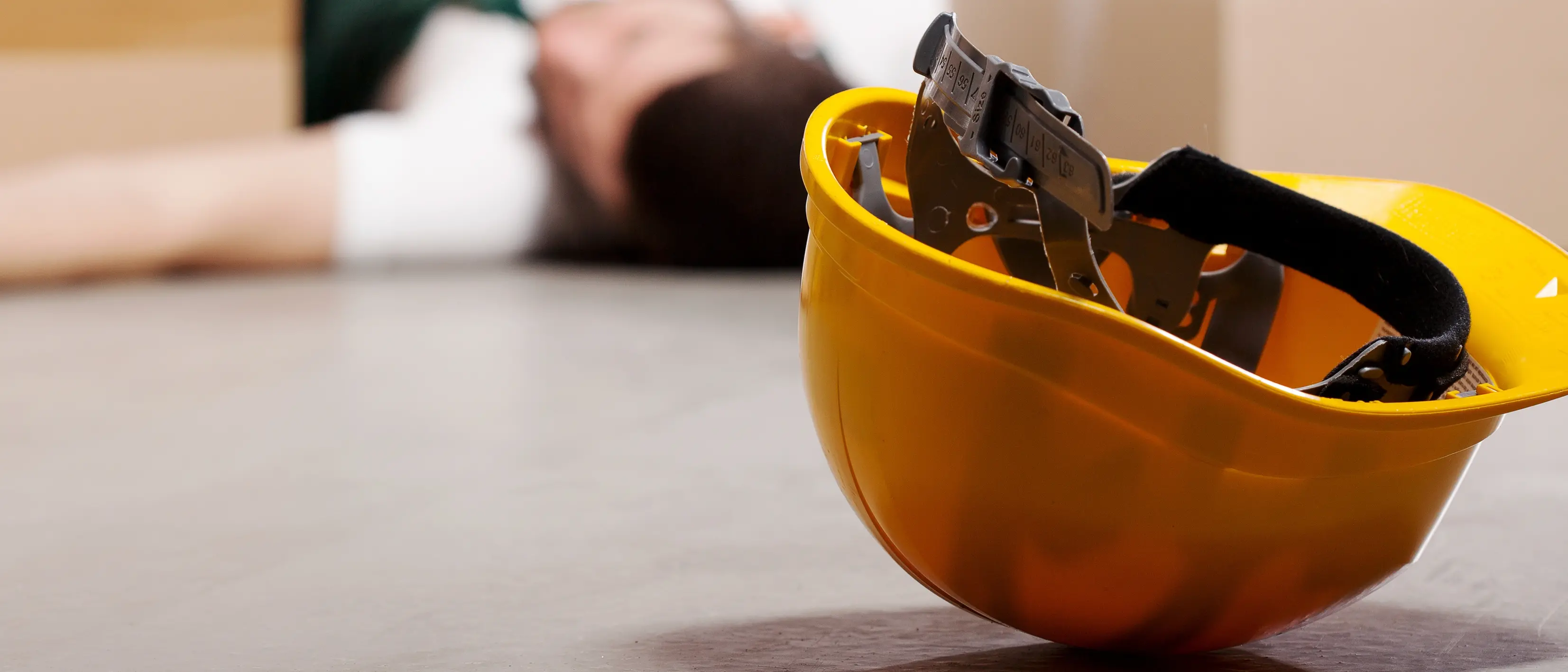
Yet acceptance of workplace injuries and harm has its comparisons with the preparedness of American society to have more guns than people and so live with gun violence.
I worked in Australia for 30 years, including in health and safety roles; if someone dies in a workplace there, it’s a big deal; in New Zealand we tend to think s... happens and move on.
Our worst examples of this are the continuing rates of death among agriculture, forestry and construction workers in preventable accidents.
While losing at least one worker on average a week in a workplace fatality is bad, sadly it reflects only a fraction of the tragedy of our misplaced tolerance.
This year, 750 or more New Zealanders will likely die from illnesses related to their work; that is 15 times more likely than dying at work from an injury. It is also about twice our annual road toll which we devote huge budgets to reducing. The already stretched hospital system can expect to receive 100 people a week because of work-related ill-health. These people will have a variety of illnesses caused in their workplaces, including musculoskeletal damage, cancers, respiratory harm and mental health issues.
As much as the US needs gun control, we need to end the toll of workplace injuries and health harm. The starting point is understanding that virtually all deaths and harm caused in workplaces are avoidable.
Every year I run workshops in 16 regions nationwide to help managers and workers understand how they can achieve that. Next week I will start my southern series in Invercargill on Monday, followed by Dunedin the following day and a workshop in Cromwell on Wednesday. A representative from WorkSafe is among the speakers.
While these workshops are aimed at the extractive sector, the workshops are applicable to any business using heavy earthmoving machinery such as civil contractors, farmers, foresters, swimming pool installers, drainlayers and builders.
All are welcome and it could be the first step towards stopping another fatality or someone seriously harmed.
We look at how employers can avoid or minimise the health impacts of dust and noise, of slips, trips and falls. There will also be a focus on how to ensure procedures designed to protect workers are followed. A significant number of workplace accidents result from workers failing to use safety devices such as seatbelts, exceeding set speed limits or removing protective guards.
There is also a session on diversity and respect in the workplace.
This can be quite confronting for some people who think a blokey culture is still acceptable in the third decade of the 21st century. Not only is it inappropriate to treat women and others badly, such behaviour fails to recognise the crucial need to recruit a wider range of people into what have often been traditionally male workplaces.
We are in the midst of a worldwide labour crisis and no amount of flinging open the immigration doors can fill the shortages.
Shortly before Christmas, a report identified that our manufacturing and engineering sectors alone could be short 40,000 workers within five years.
The report for the sector’s workforce development council Hanga-Aro-Rau saw ways to increase the number of women and seniors in the manufacturing and engineering workforce if barriers to developing an equitable domestic workforce could be reduced.
The extractive sector at present only has about one female worker for every six or seven men.
Like many other industries, women need to feel safe and valued at work sites. Protecting them against injury is only the start.
- Wayne Scott is chief executive of MinEx, the extractive sector’s health and safety organisation.