
PHOTO
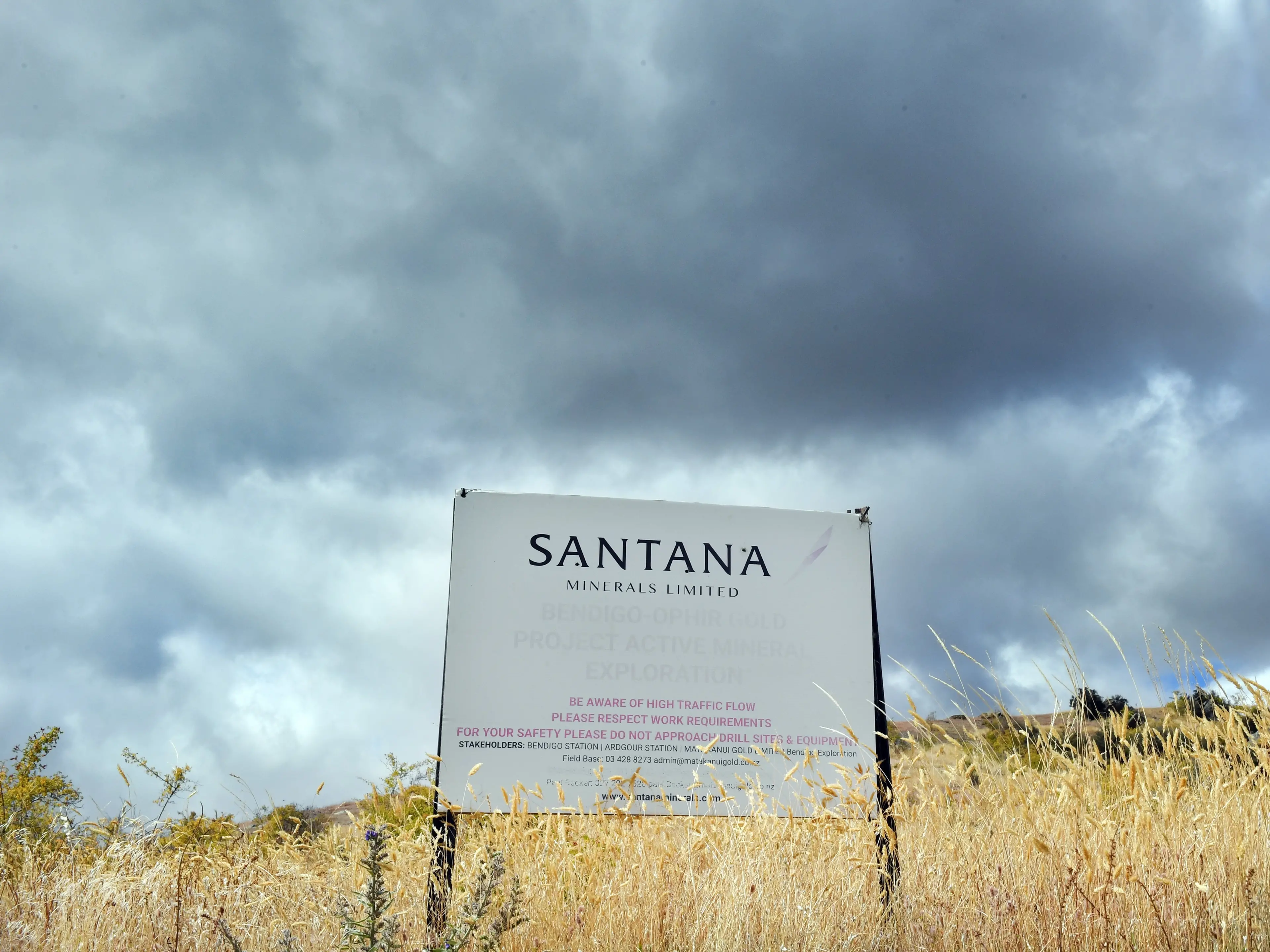
The Santana mine proposal for the Bendigo gold development is continuing to encounter challenges in its aspiration for a fast-track consent.
I know something about mining. As a geology graduate in the mid-90s I took what seemed like the only career path available and joined the minerals industry.
I worked at Macraes Mine in East Otago for almost five years across the mining system, from exploration (think drill rigs) to mining (think big hole in the ground and big diggers) and finally in the environment team.
The people I worked with were great. But throughout my time there, I was confronted with a moral dilemma — this beautiful tussockland was being reconfigured into a network of open pits, waste stacks, haul roads, and a massive tailings dam that would leave its mark on the people and place forever.
One of my most visceral memories was the smell of the chemicals from the processing plant and the constant stench of tailings fumes.
The tailings dam is a massive toxic sludge heap, and when Macraes is finally closed, it will be capped to seal its contents and the mining company will walk away.
Nothing in the dam will break down or lose its toxic potency over time.
So when I learned that Australian mining company Santana was planning to swoop into Bendigo, I took notice.
If you have been following the Santana discussions in recent months, you’ll be aware of Sir Ian Taylor’s point of view — that fast-tracking a mine like this is inappropriate when we balance the potential risks with the benefits.
Given my understanding of mining (from experience that most people don’t have, working in the industry) I agree with this perspective.
A proposal as significant as this must be subject to intense scrutiny, and the mining company must front up to explain, in full, the potential benefits and risks.
It is the lack of transparency with the people who will be living alongside this mine that I am uncomfortable with. This encompasses both the Tarras community in close proximity, and the wider Central Otago community, many of whom literally live downstream of the mine.
Fast forward 20 years from my own mining experience and I had moved on from mining, returning to university as a natural hazards and disaster risk management researcher.
We developed a programme called AF8 [Alpine Fault Magnitude 8] to improve awareness and preparedness for a future large magnitude Alpine Fault earthquake.
This 600km-long plate boundary fault runs down the spine of the Southern Alps, and has a 75% probability of producing a large magnitude 8+ earthquake in the next 50 years. It is highly likely to occur within the lifetimes of many of us or our children.
For 10 years we have run an engagement programme, talking with countless communities, schools, local and central government agencies, presenting the science to literally thousands of people.
The AF8 Roadshow has done four circuits around the South Island since 2019, taking the science to community halls, schools and marae. AF8 has been widely recognised for its work.
What we have noticed is a huge appetite for risk-based information. People want to know what an earthquake disaster could mean for them, their whānau and livelihoods, and their community.
The information we present is science-informed, and fully explains the very serious consequences, including infrastructure damage, supply chain disruption, community isolation and landscape change.
It is also accompanied by information about how to get prepared for an earthquake disaster.
This is confronting information. You might think people would rather not know, or push-back about scare-mongering.
But our audiences are not getting any smaller — the 2025 Roadshow attracted the largest numbers ever and the appetite continues to grow.
My point here is that people want to know about the issues that could affect them. People want the truth. Community engagement needs to be transparent and fulsome, even if the information is confronting.
Santana has a moral obligation to engage with the community. Their website claims they have been doing this since September 2024, and they list dates in March and April to give people a "chance to chat to the team about the project, find out about what stage we are at, and share your thoughts".
I expect Santana will want to talk about job opportunities, community sponsorship and signing up for their newsletter.
I can almost guarantee they won’t dwell on long-term environmental and society risks from tailings dam failure, the potential costs of future environmental impacts and that once the mine closes, the community will have to live with this toxic tailings dam, and the risks it poses, in perpetuity.
They almost certainly won’t be sharing examples of similarly "well planned, well funded, well engineered" projects ending in unexpected and significant adverse environmental events.
Nor will they share recent research out of Australia linking mining to terrible health outcomes for nearby communities.
There is a big difference between giving people a chance to ask questions, and delivering thorough, clear and fulsome information about the potential long-term consequences of a mine at Bendigo.
Not just at a handful of public meetings and drop-in sessions, but in a format that doesn’t insult people’s intelligence by skirting around the facts and hiding the truth.
Because if they don’t think there are any negative outcomes, what are they worried about?
• Professor Caroline Orchiston is director of the Centre for Sustainability Research, University of Otago.