
PHOTO
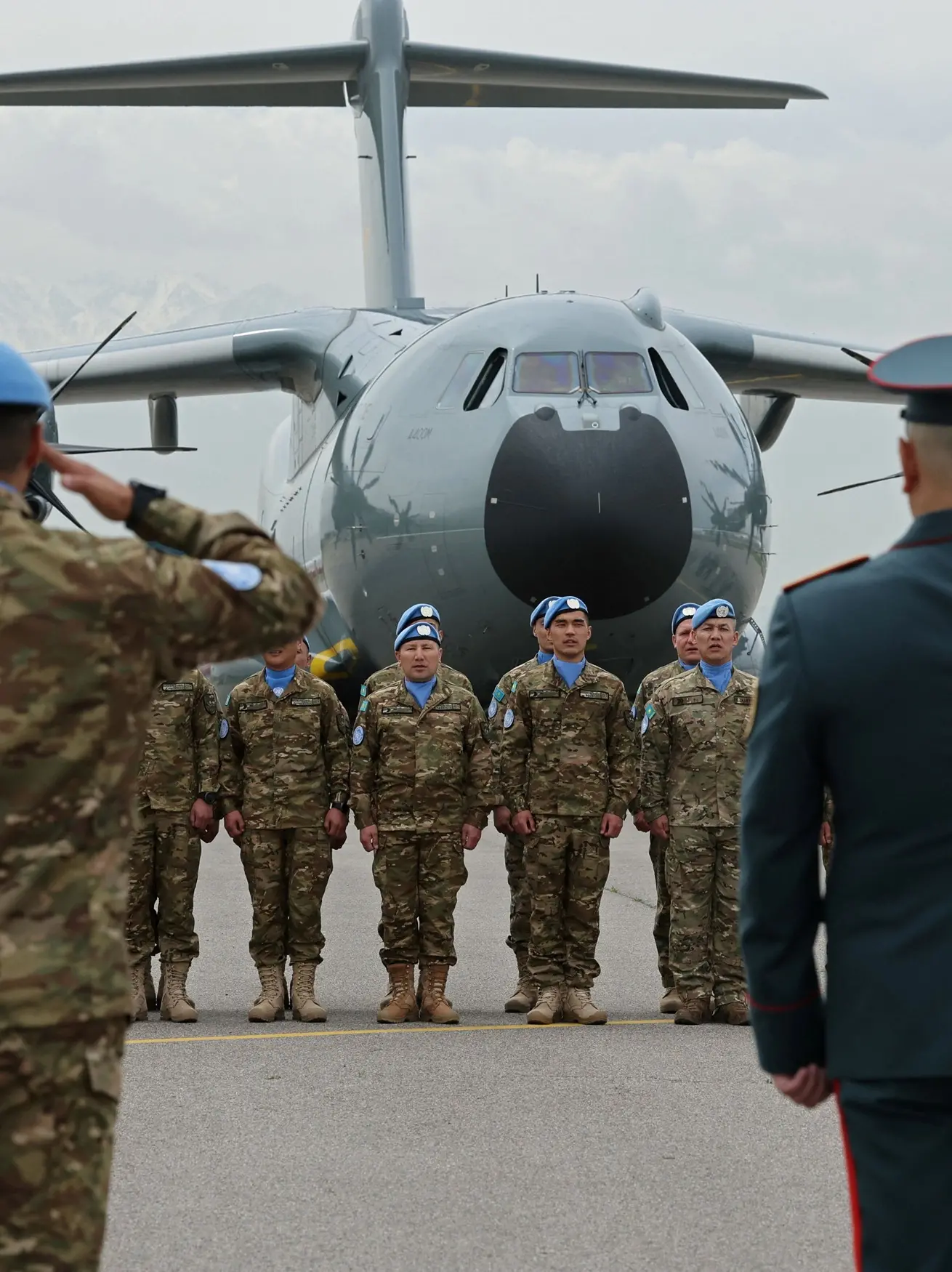
Since their establishment in 1948, UN peacekeeping missions have been an essential tool for addressing conflict resolution.
Peacekeeping began modestly, with the goals of monitoring and documenting ceasefires in conflict areas. As conflicts began to rapidly arise during the Cold War period and into the 21st century, so did the responsibilities of UN peacekeepers.
Today, peacekeeping missions operate not only to prevent violence but also to work towards creating the conditions necessary for long-term stability.
Considering the rise of criticism of UN peacekeeping from international observers and affected populations, it is critical to examine where these missions have struggled to address their long-term objectives.
Modern UN peacekeeping missions are intended to go further than simply ending conflicts. They are expected to provide continued humanitarian aid while also helping with the development of foundations that foster lasting peace.
In the most successful outcomes reported by the UN, such as the 2003 Liberia mission, these operations work with parties that are fully committed to the peace process.
Yet concerning patterns of long-term failure have emerged from these missions. Consistently, peacekeeping missions have found success in achieving their short-term humanitarian objectives while struggling to accomplish long-term goals.
This is not necessarily an indication of a failure of the post-Cold War peace operations model, but rather a reflection of how the UN’s lack of financial resources has made it nearly impossible for peacekeeping initiatives to rebuild and sustain conflict regions.
After reaching the highest approved UN peacekeeping budget (2015-16), the funding for the programme has only steadily declined since then. Funding for the peacekeeping branch of the UN has seen a loss of roughly $1 billion over the past five years — going from $6.38b (2021-22) to just $5.38b (2025-26), as reported by the UN.
This has caused cuts in military personnel, the closure of essential bases, and blind spots that affect the timely intervention of conflict areas. This downward trend in funding comes at a time when global conflicts are continuing to emerge, and the demand for peacekeeping missions is steadily increasing.
Much of the financial strain is a result of broader patterns of international disengagement by major powers, particularly the US.
As the UN’s largest financial contributor (22% of its annual budget), US support has been essential to not just the functioning of peacekeeping operations, but the functioning of all UN procedures.
Recent reductions in support and financial contributions from the US have resulted in a significant decline in the UN’s annual budget.
International concern has emerged over US disengagement from the UN, especially under the most recent Trump administration. This retreat has resulted in noticeable reductions to the UN’s overall budget, with the US now owing roughly $4b in unpaid member dues, according to UN budget reports.
As the UN’s largest financial supporter falls behind on its commitments, the UN has had to make difficult decisions in terms of staffing and essential programme cuts, not only undermining its ability to work towards long-term peace solutions but potentially compromising UN peacekeeping.
What is the solution? The simple answer is increased funding and international support. UN peacekeeping operations depend on the financial commitments and contributions of member states.
Reductions in US funding will only work to widen the gap between the aspirations of UN peacekeeping missions and their ability to achieve lasting peace.
To address this rising challenge, stronger accountability mechanisms must be put into place to ensure that major contributors, such as the US, uphold their commitments to the international institutions that rely on them.
Additionally, funding responsibility cannot rest solely on the US due to its current administration’s anti-UN sentiments. Effective peacekeeping requires collective investment and shared accountability among all member states.
If the US continues to rapidly scale back its international support, other members must be prepared to close the gap and assume a greater share of the financial burden.
This is where states such as New Zealand can step up and play an important role as global leaders, promoting middle power unity and ensuring the lasting support of the UN as an essential multilateral organisation.
New Zealand has consistently paid its dues and supplied peacekeeping personnel, demonstrating its commitment to the organisation since joining as an original member state in 1945.
Ultimately, UN peacekeeping operations serve as vital ‘‘first responders’’ for addressing conflict and protecting vulnerable populations, even if said effort struggles to succeed in the long term.
If member states wish to see more effective conflict management, they must be willing to invest more in the UN.
Rhetoric and good intentions do little to resolve conflicts in the world.
• Clarice Atkins is a student in the Master of International Studies programme, University of Otago