
PHOTO
Obituaries are normally written after death. Occasionally, however, they are intimated earlier — when a once vigorous nation begins to look tired, uncertain and diminished.
Reading recent commentary in Britain’s own press, particularly The Times and The Daily Telegraph, one could be forgiven for wondering whether the old and formidable United Kingdom has reached such a moment.
This is not, of course, a literal death notice. The islands remain, and the British people remain as inventive and resilient as ever.
Yet across politics, economics, national security and public life there is an unmistakable sense of a nation struggling to remember the confidence and coherence it once possessed.
For centuries Britain stood among the most influential powers in the world. Its parliamentary traditions helped shape modern democracy. Its navy ruled the seas. Its language became the common currency of diplomacy and commerce.
Its universities and industries drove innovation across continents. And its missionaries and reformers carried Christian faith and social ideals to many corners of the globe.
New Zealand knows that story well. Our own national life grew partly from British soil. The Westminster parliamentary system, our legal traditions and many civic institutions owe much to Britain’s example.
Generations of migrants from England, Scotland, Northern Ireland, and Wales helped build our towns, churches and communities. British ideas about law, liberty and public responsibility helped shape the society we inhabit today.
For that reason, the present mood in Britain is watched here with a mixture of concern and affection — rather like hearing troubling news about an elderly relative whose life has long been intertwined with our own.
The symptoms of Britain’s malaise have been widely discussed in its own newspapers. Economic growth has been sluggish, public debt has risen and many public services are under intense pressure.
Infrastructure struggles to keep pace with demand, while political debate often appears polarised and short-term.
Political leadership itself has seemed unusually fragile in recent years. Prime ministers have risen and fallen with surprising speed, leaving many citizens uncertain about the direction of national policy or the stability of public institutions.
Britain’s armed forces, once among the most formidable in the world, have also been widely described as ‘‘hollowed out’’.
The proud traditions of the British Army, the Royal Navy and the Royal Air Force endure, but commentators frequently warn that numbers and resources have declined to dangerous levels not seen for generations.
An authoritative book, disturbingly titled The Rise and Fall of the British Army, laments the parlous state of the once potent fighting force.
Immigration pressures have added further strain. Images of small boats crossing the English Channel have become a potent symbol of public anxiety about borders and national identity.
Meanwhile even long-standing institutions, including the British Royal Family, have faced periods of turbulence that would once have been difficult to imagine.
Yet perhaps the deepest challenge lies beneath these political and economic concerns.
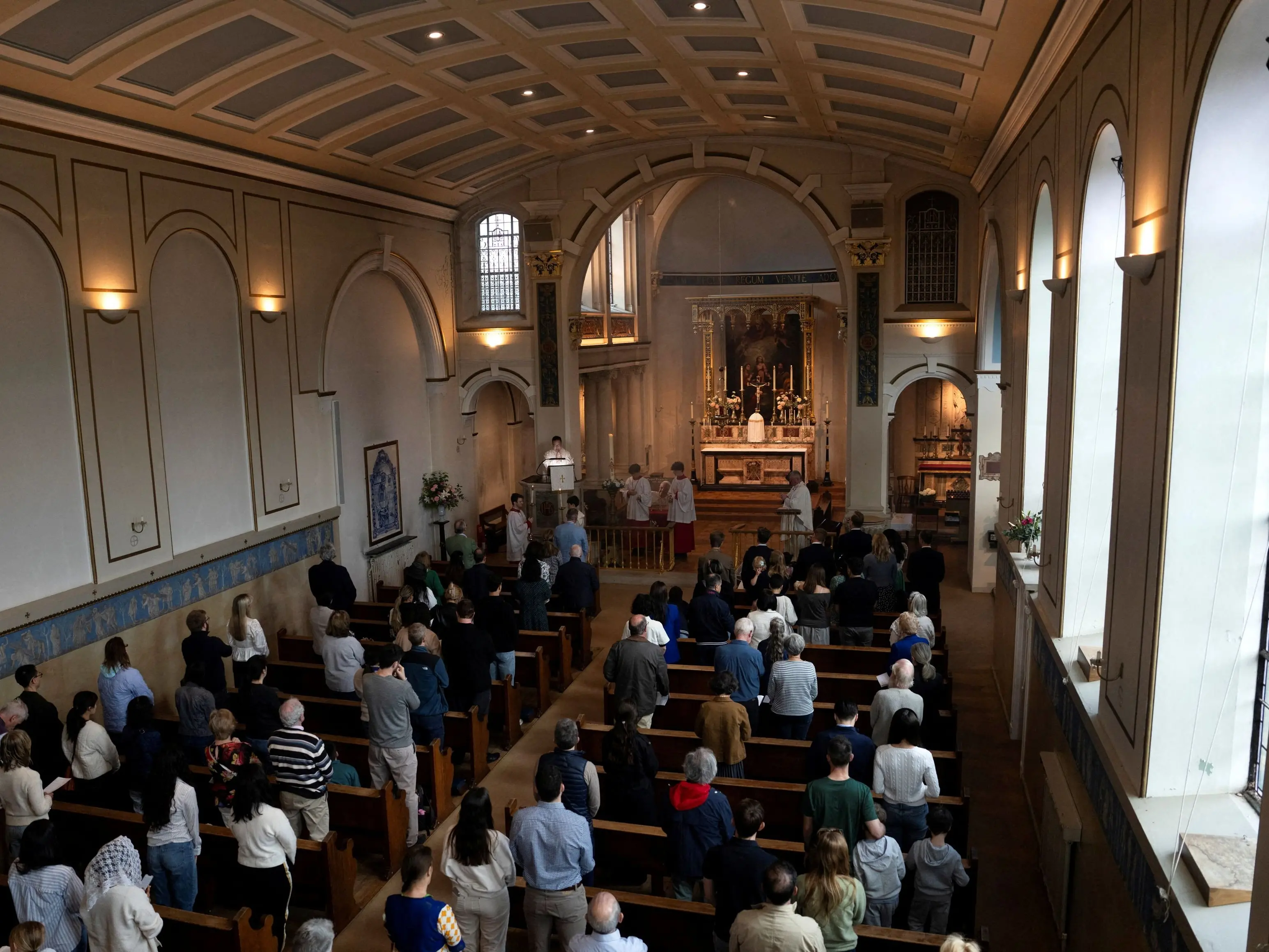
For centuries Britain’s public life rested upon a broadly Christian moral framework. Churches stood at the centre of communities, shaping both personal conduct and national identity.
Today that influence has weakened dramatically. Attendance has fallen sharply in the Church of England, the Church of Scotland, the Church in Wales and the Methodist Church of Great Britain. Internal divisions and cultural change have left these historic institutions uncertain of their voice and mission.
The result is not merely institutional decline but a wider loss of shared moral confidence. A nation that once sent missionaries around the world now often seems unsure of the beliefs that once animated its own life.
And yet obituaries sometimes conceal an important truth: what appears to be an ending may also mark the beginning of renewal.
Britain’s own history contains remarkable examples of such renewal. In earlier centuries spiritual awakenings transformed communities across the country.
The evangelical revivals of the 18th and 19th centuries reshaped social life and inspired movements for reform.
Such moments remind us that national renewal rarely begins in parliaments or policy documents. It begins in conscience, repentance and faith.
For many believers the sure foundation for such renewal remains the person of Jesus Christ, whose message of repentance, forgiveness, and new life has shaped Britain’s past and may yet shape its future.
Those of us in New Zealand who inherited so much from Britain’s institutions, freedoms and Christian heritage can only hope that this obituary proves premature.
For if Britain should once again rediscover the moral and spiritual foundations that helped shape its greatest achievements, her renewal would not simply be Britain’s good fortune — it would be good news for many of us who still count her as an old and valued friend.
And of course, many of the challenges of the United Kingdom, to a varying degree, impact the life of New Zealand. And one can only hope such winds of renewal will blow upon our shore as well.
• Tony Martin is a New Zealander with UK citizenship. Resident in Dunedin, he served on military operations as a chaplain with British forces.