

PHOTO
Confidence is returning to Central Otago’s construction industry, with 93% of Southern Otago’s Master Builders reporting a “strong and steady” amount of work in the pipeline.
An increase from 68% a year ago, a Master Builders’ 2026 State of the Sector survey states.
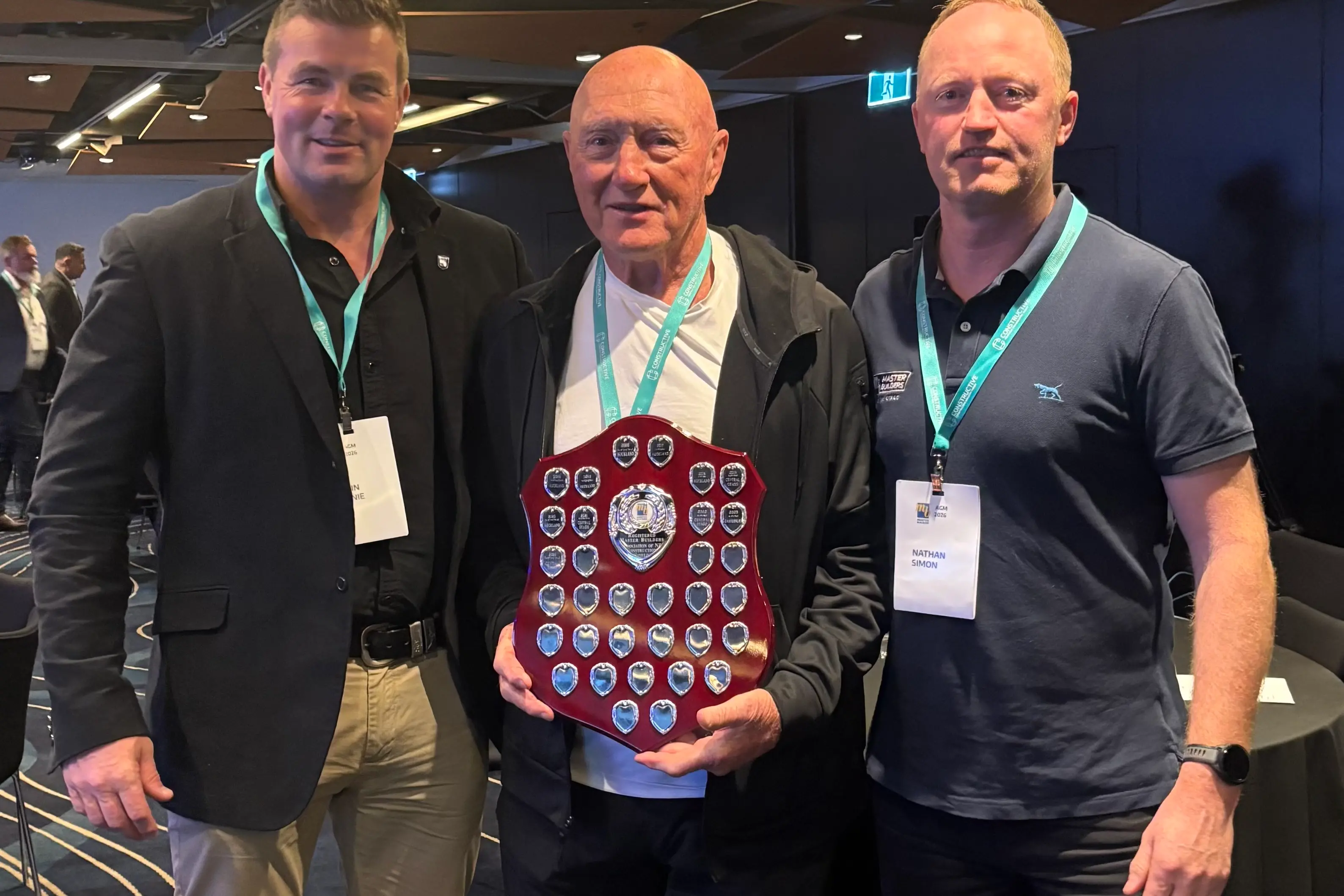
Central Otago Master Builders president Nathan Simon said said the district had recently received the Master Builders’ Construction Shield for the strongest percentage increase in membership nationally among branches with more than 100 members.
It was the first time the shield had been awarded in several years and was a reflection of the district’s growth, Mr Simon said.
When asked why Central Otago in particular was performing so strongly, Mr Simon said he thought a lot of it came down to the area’s character.
“It’s the great lifestyle here.
“It’s full of like-minded people down here and we’re definitely a glass half-full mentality.
“There’s a lot to look forward to for us.”
At a recnet Master Builders’ awards evening, six of the 19 entries in the “over $4 million category” came from Central Otago.
Mr Simon said this showed a genuine shift on the ground and the accolades were an achievement for the entire region.
“We’re very proud of this recognition.
“There hasn’t been any positive growth in a long time, so it just shows we’re really starting to come out the other side now.”
He pointed to a steady flow of new members relocating to the south over the past two years as a promising sign.
Mr Simon said Central Otago had seen significant growth in the high-end market and this had played a major factor in overall industry confidence.
He said the $5 million cap on overseas investment was a key reason the region’s high-end market had stayed open.
Economist Benje Patterson said he was not surprised builders in the south were feeling “incredibly confident about the future”.
“In Queenstown Lakes, the number of new homes consented is almost 40% higher than a year ago, while Invercargill has recorded growth of 36%,” he said.
“Nationally, consenting has risen by 21%, so these southern areas are growing at around twice the national rate.”
In the past 12 months, almost 2100 new homes had been consented in Queenstown Lakes, behind only Christchurch and Auckland.
Queenstown Lakes, home to about 1% of New Zealand’s population “sits at the centre of the country’s third-largest concentration of new housing consents”, Mr Patterson said.
Despite the stronger outlook, consenting remained a challenge, with 78% of Southern builders citing delays affecting their projects, up from 48% last year, Mr Simon said.
But independent, building consent authorities emerging such as Building Consent Approvals Ltd (BCA) was a step in the right direction and should aid the backlog of consent and inspections, he said.
Skills also remained a constraint, with more than half of southern survey respondents saying they lacked access to talent needed.
Despite this, Mr Simon said the industry was in a strong place overall, with 83% of southern respondents employing apprentices against the 57% nationally, reflecting what he called a promising investment in the next generation.
“It’s a ripple effect.
“If builders are confident in the market, they’ll be more confident taking on apprentices,” he said.
Despite a recent ASB report finding Otago recorded the highest job losses in the country, Mr Simon said this did not match what he was seeing in construction locally.
“There’s a lot happening, a lot coming up and strong confidence in the industry’s future for our region.”