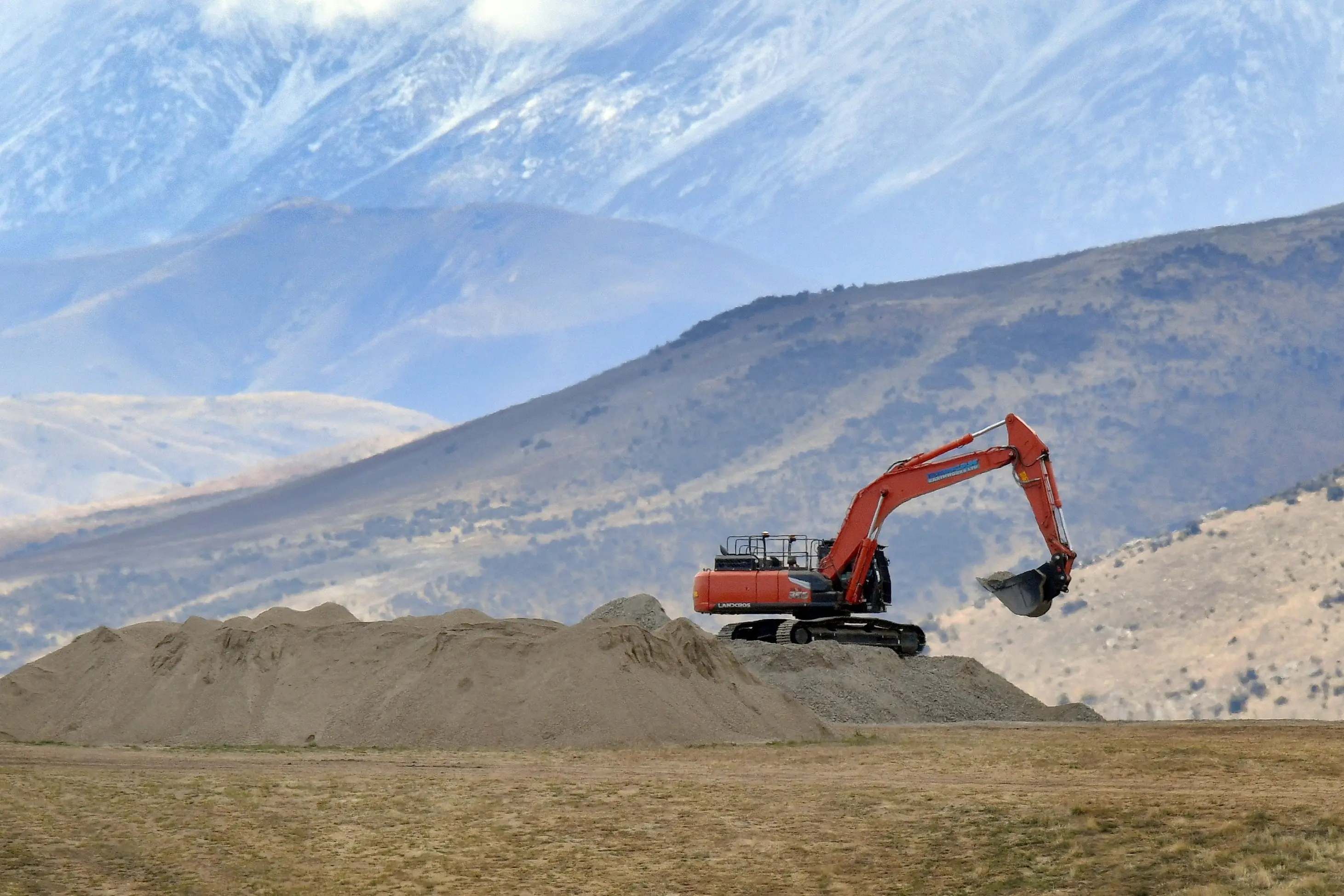
Santana Minerals has been criticised for the quality of its application and needs to come up with answers to get the consent process back on track, the hearing panel says. However, Santana said it was working hard through the process and the application had been subject to exceptional scrutiny, which had led to more work. The application for a multibillion-dollar gold mine proposal in Central Otago was at the deliberation stage and the panel started to deliberate on Thursday. Although there was work which could be done, it was limited as more evidence was yet to be received, fast-track panel chairman Matthew Muir, KC, said, in a minute. Time is marching on, with a final decision due by December 16. A draft set of conditions will first be released, which will then be commented on, followed by more assessment by the panel, who will then release a final decision, nine days before Christmas. The panel has previously asked Santana to pause the hearing in July through to September. Santana came back and said it would bring forward the date of submitting proposed final consent conditions to August 28. Mr Muir agreed with the suggestion by Sustainable Tarras that meaningful progress in assessment of many of the project’s potential impacts could not be made while the evidential landscape was incomplete. The applicant had responded to numerous requests for further information for the panel, but under fast-track legislation, other parties were not automatically allowed to comment on the information supplied by Santana. Mr Muir said with the rights of fair process and natural justice, any party would be invited to respond to what was substantially new information. The minute also criticised the quality of the original application. “The panel has the firm view that the information should in fact have been provided at the time of the initial application,” Mr Muir wrote. Workshops including the applicant and parties were taking place with the goal of getting a draft set of conditions to the panel by August 28. But Sustainable Tarras and Environmental Defence Society had written to the panel saying they needed more time to respond to new information. The society said it received 600 pages of “highly complex analysis and modelling” documents on the same day they had to finish their comments on them. The panel gave it to September 7 to respond. ©Allied MediaA construction sign marks the entrance to the Santana Bendigo Ophir gold project: Photo: Stephen Jaquiery The panel also questioned whether the workshops, instituted to come up with agreed decisions and amended conditions, had been thorough. “The panel is also concerned, based on a preliminary review of the material most recently provided, that further amendments to conditions, beyond those already workshopped, may be contemplated in the updated conditions due to be provided to the panel by August 28.” That would undermine the intended objective of workshopping, it said. The new timeline meant the panel would not consider itself sufficiently informed to make its assessment of impacts until after September 14. “This change in timeframe, necessary to allow fair process and natural justice, will … place the panel in the position where it has, at most, two months to deliberate, decide on and prepare a draft decision in respect of what is quite possibly the most complex of the Fast-track Approval Act applications to date. “The panel does not believe that this was the intent of the panel convenor when setting the timeframe for this application, which would have been based on the panel having been provided a complete application.” Mr Muir put the ball back in Santana’s court. “Ultimately, a solution to these concerns lies largely in the hands of the party responsible for their genesis — MGL.” Matakanui Gold Ltd (MGL) was bought by Santana Minerals in 2020. It had exploration permits at Bendigo-Ophir for the mine Santana is applying for. Mr Muir was happy to convene a conference with Santana to find an outcome more acceptable to the panel. Santana Minerals chief executive Damian Spring said on Friday the application had been subjected to exceptional scrutiny. “That scrutiny has generated further questions, modelling, expert work and documentation,” he said. “Santana was working carefully through the matters raised by Mr Muir and remained focused on progressing the application constructively.”