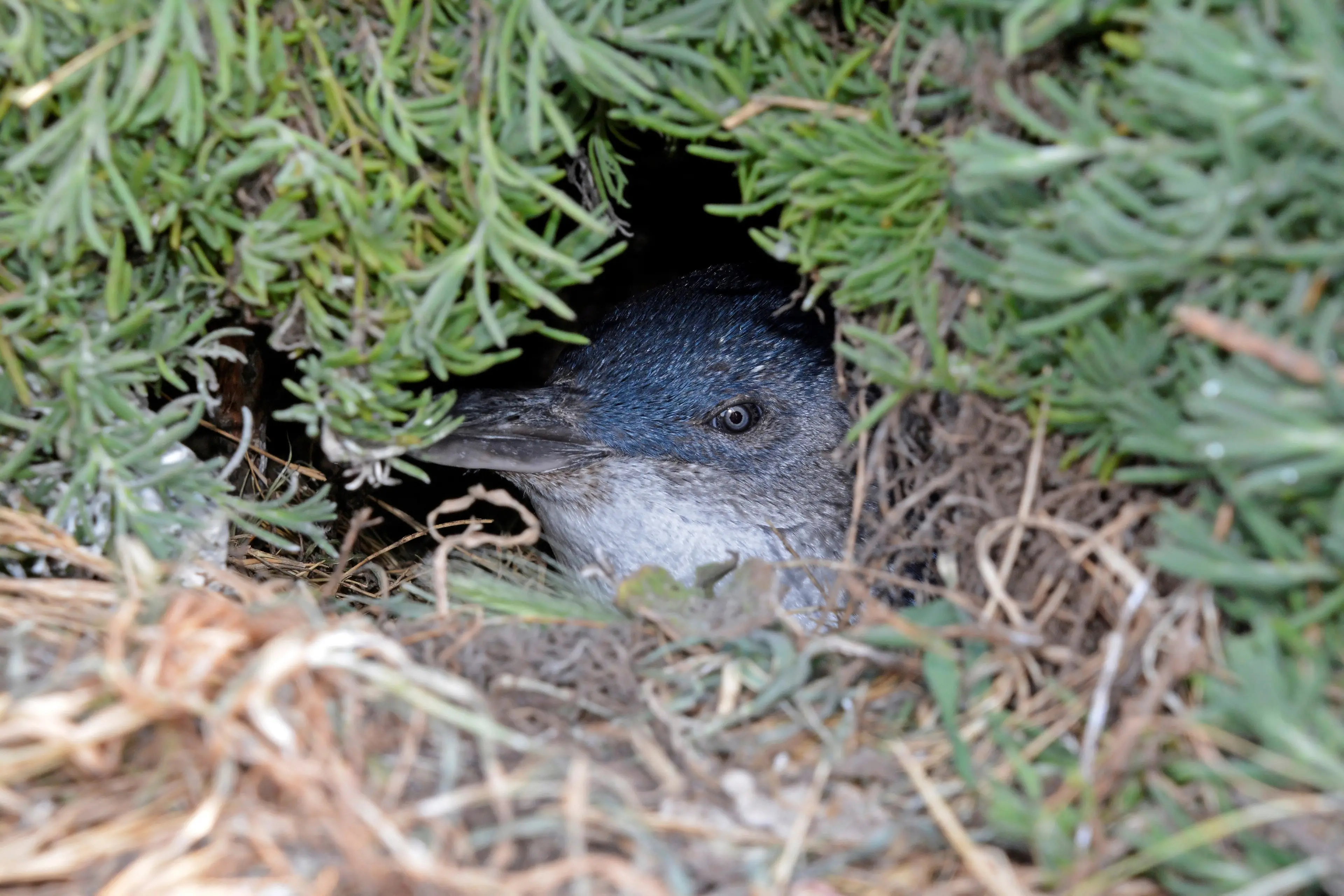
The deadly H5 bird flu has been confirmed as the cause of death of a little penguin in Australia — a “concerning” milestone that staff at Oamaru Penguins are monitoring closely. Oamaru Penguins science and environmental manager Philippa Agnew said she was watching “with interest” to see how the situation developed. Authorities in Victoria were rushing to vaccinate the little penguins (kororā) at Phillip Island’s 40,000-strong colony, the largest in Australasia, after a penguin was confirmed to have died from the virus there last week. "What happens to the penguins there will hopefully give us a better understanding of how H5 bird flu could affect our populations here in New Zealand and help inform how we prepare and respond,” Dr Agnew said. "It is definitely concerning to see an impacted penguin already.” Biosecurity measures have already been put in place at the Oamaru Penguins colony in Waterfront Rd to protect the wildlife there. Foot-wash stations were set up at entrances to the colony building and the seal viewing area last month after H5 was first detected on New Zealand shores. Since then, the first “mass mortality” event associated with the H5 strain has been observed in greater crested terns in Australia as hundreds die with bird flu symptoms. The species is found in some locations alongside white-fronted terns, which migrate to New Zealand at this time of year and have breeding colonies in Oamaru Harbour and coastal Otago. A single sick or dead white-fronted tern warranted a call to the MPI hotline (0800 80-99-66), Waitaki District Council said in a post. People were urged to keep their distance from a sick bird, take pictures and videos if safe to do so and get a GPS location.