

PHOTO
Visitors accessing the Moeraki Boulders/Kaihīnaki from the cafe at the popular site will soon pay $5 to do so — which owners Te Rūnanga o Moeraki say will help support hundreds of thousands worth of investment in visitor facilities and infrastructure there.
The new “contribution” at one of New Zealand’s most recognised natural landmarks starts from next Saturday, coinciding with Labour Weekend.
Te Rūnanga o Moeraki said more than $270,000 had been invested so far in upgrading visitor facilities since they acquired the culturally significant site including The Moeraki Boulders Cafe and Gift Shop in 2024 through company Moeraki Ltd.
Moeraki Ltd chairman Trevor McGlinchey said “over $500,000” would be invested in supporting visitors coming to Te Kaihīnaki.
He said this reflected their commitment to caring for the site and to helping visitors better understand its cultural significance.
They were also planning to invest several hundred thousand dollars to make “significant” upgrades for a new wastewater treatment system.
Access to the boulders via the nearby public beach route remained free and Te Rūnanga o Moeraki had also contributed funds for the new flushing toilets at that spot, Mr McGlinchey said.
The new $5 payment will replace a $2 suggested donation.
The suggested koha had remained in place for 40 years despite visitor numbers and site maintenance increasing “significantly”, Mr McGlinchey said.
“In the early 90s a $2 donation was put on the track, and because of inflation over time, and the amount of work we are doing, we’re now moving to a system where we’ll be asking for a $5 payment for people visiting.”
Moeraki Ltd was continuing to invest in Te Kaihīnaki, including new cultural interpretation panels, and audio tours that shared the history of the boulders, Mr McGlinchey said.
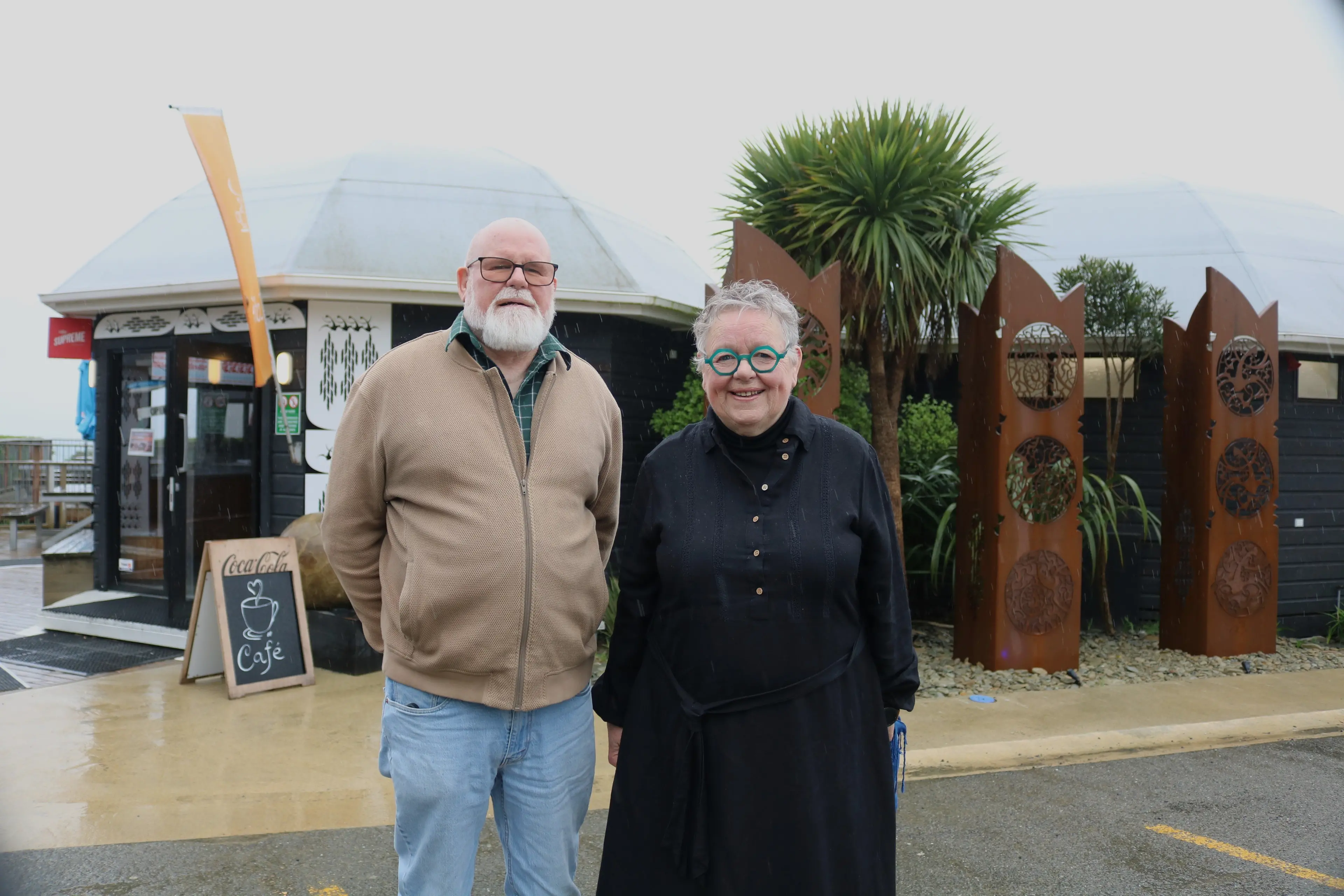
The cultural interpretation panels and artwork were created by well-known Ngāi Tahu artist Ross Hemera.
Other recent improvements include upgraded toilets at the cafe, “window transfers to reflect our stories” and rock art symbols at building entrances, Mr McGlinchey said.
An audio tour — available in English, Mandarin, French and German — will soon be available for visitors to download on their phones, to give the story of the boulders and how they came to be, and to share the history, geology, and stories of Te Kaihīnaki from the perspective of mana whenua, he said.
“People come here because of the remarkable boulders, but we also want them to leave with a better understanding of the history and traditions connected to this place,’’ Mr McGlinchey said.
“When we first purchased here, because it’s such an important site, it made sense for us, as mana whenua, to own the property and to be able to welcome our guests — our manuhiri — here, and part of our mahi has been a combination of getting the facilities up to standards that reflected our care and attention to manaaki [guardianship] that we felt was required.
“When visitors come here they understand this is a culturally important place, so part of the work we’ve been doing is when people arrive they can see symbols and markers that reflect that.”
Mr McGlinchey said they were “proud to share this place with visitors from around the world and want to keep it accessible for future generations”.
Moeraki Boulders Cafe manager Teresa Heap said all the developments at the cafe since she began as cafe manager in December 2024 had been “very exciting”.
“It’s been great watching everything happen, and visitors were always asking staff cultural and geological questions about the boulders so it’s great that the audio tour will provide an authentic cultural tour.”