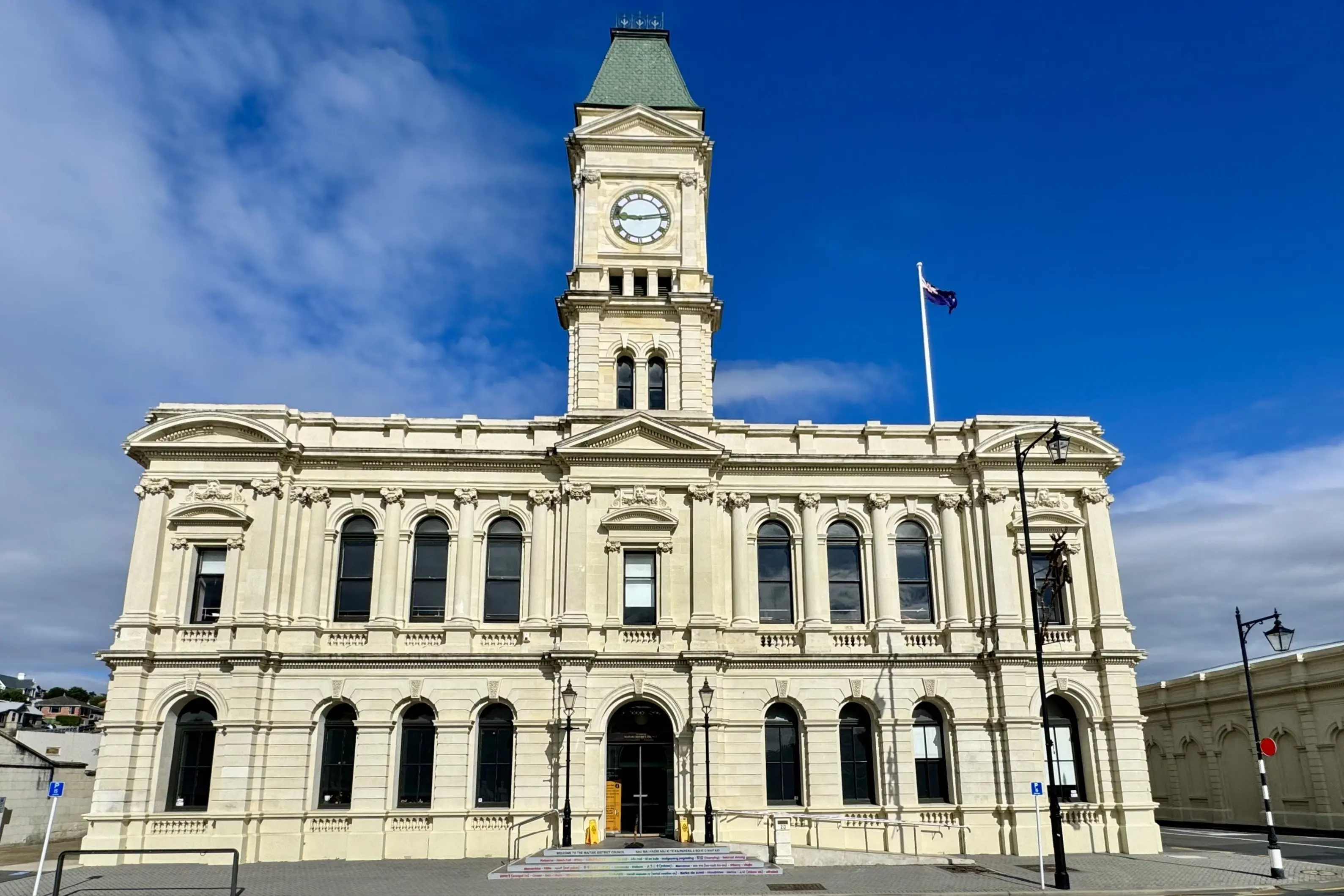
Waitaki district councillors are due to vote on Friday on a proposal to partner with Timaru, Waimate and Mackenzie district councils ahead of Monday’s amalgamation deadline. The Waitaki District Council indicated its preference to join up with northern neighbours at a meeting last month. Following Friday’s vote, the future local government arrangement will ultimately be in central government’s hands. A report to councillors by Waitaki District Council chief executive Alex Parmley urged councillors to enter the government’s Head Start pathway, rather than risk falling into the backstop process. The preferred option was described as the “largest South Island regional option for Waitaki, with the strongest scale and capability, and it includes the whole of the Waitaki district — with no community split”. Those with an unsuccessful proposal, or no proposal at all, have been advised structures could be imposed on them by the government. The Waitaki district was described as “unusual” as the only South Island council which “straddles” two regions, Otago and Canterbury, Mr Parmley’s report for Friday’s extraordinary council meeting stated. The South Canterbury proposal scored highest for “national viability”, reflecting an increased likelihood of it being accepted by government, Mr Parmley wrote. Meanwhile, an Otago regional proposal — which may or may not end up including Waitaki — for two unitary authorities has been put forward by Dunedin City Council and Queenstown Lakes District Council. Earlier this week, the two councils approved proposals for an Inland Otago unitary authority — made up of Queenstown Lakes and Central Otago — and a Coastal Otago unitary authority, made up of Dunedin, Clutha and possibly Waitaki. That proposed arrangement followed Central Otago and Clutha district councils both voting in favour of the two rural councils amalgamating with Queenstown Lakes, leaving Dunedin on its own and Waitaki heading north. Mayor Mel Tavendale said on Tuesday it was ‘‘a shame’’ a position for Otago had not found support across the board. Writing in today’s Oamaru Mail, Mrs Tavendale said that many residents who responded to the council’s consultation favoured a “north-facing arrangement” with districts sharing “similar rural communities, infrastructure pressures, water issues and provincial service needs”. “The strongest messages were to protect the Waitaki River catchment, retain rural and small-town identity, keep services affordable, maintain local voice and avoid being swallowed by a large metropolitan authority.” Scale “must not come at the expense of local connection” and “rural representation must not be diluted”. Mrs Tavendale admitted that feedback from Waihemo was “mixed” and said southern communities in the district needed “a clear say in their own future”. Submitting a proposal was not a “final decision” but a “way of making sure Waitaki’s future is led by our community’s voice and elected representatives”. Councils have until August 9 to submit Head Start plans for new unitary authorities made up of at least two councils. The government is expected to decide in September which Head Start proposals to progress to the detailed design phase, with a view to agreeing final proposals in May.