PHOTO
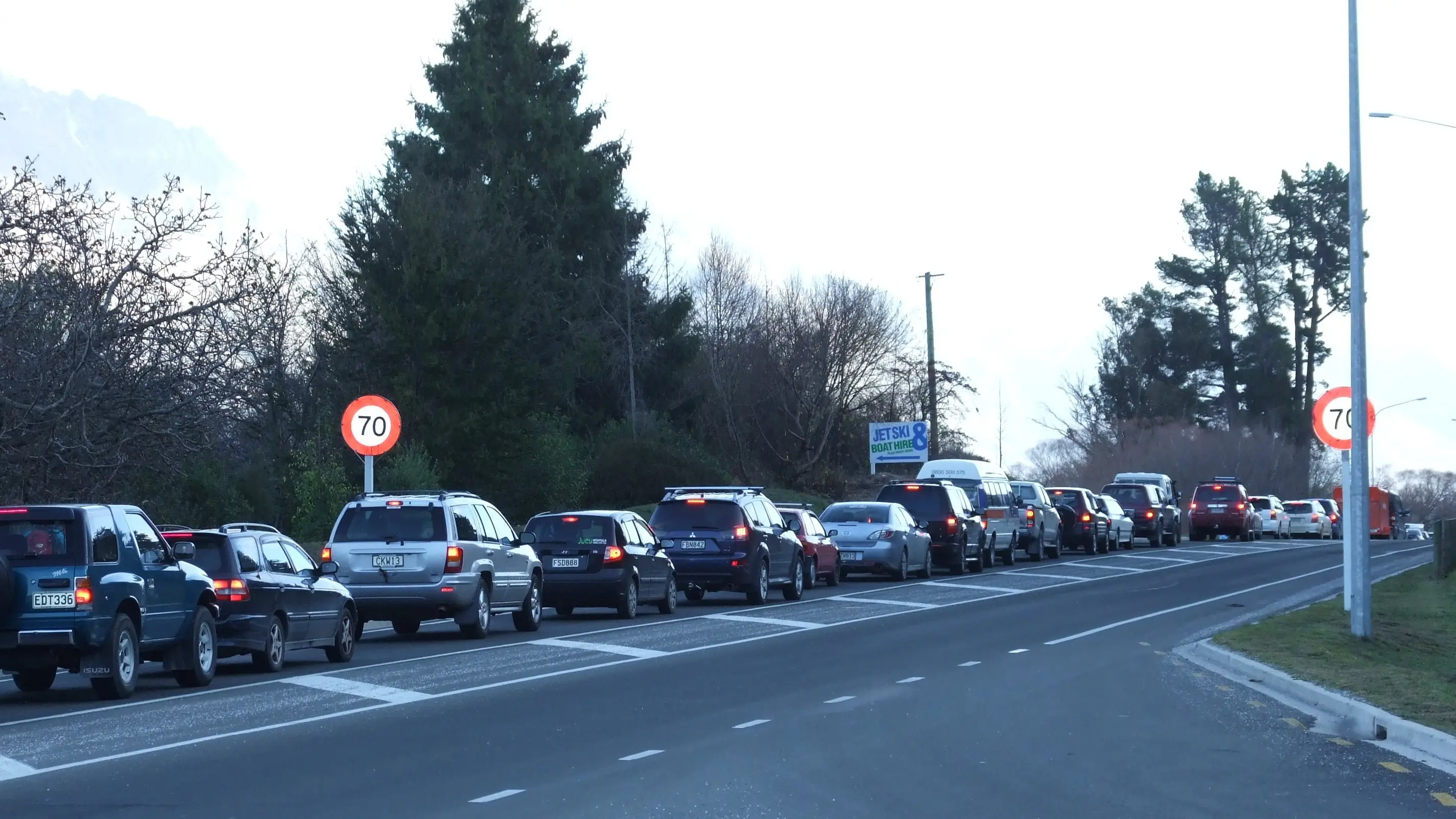
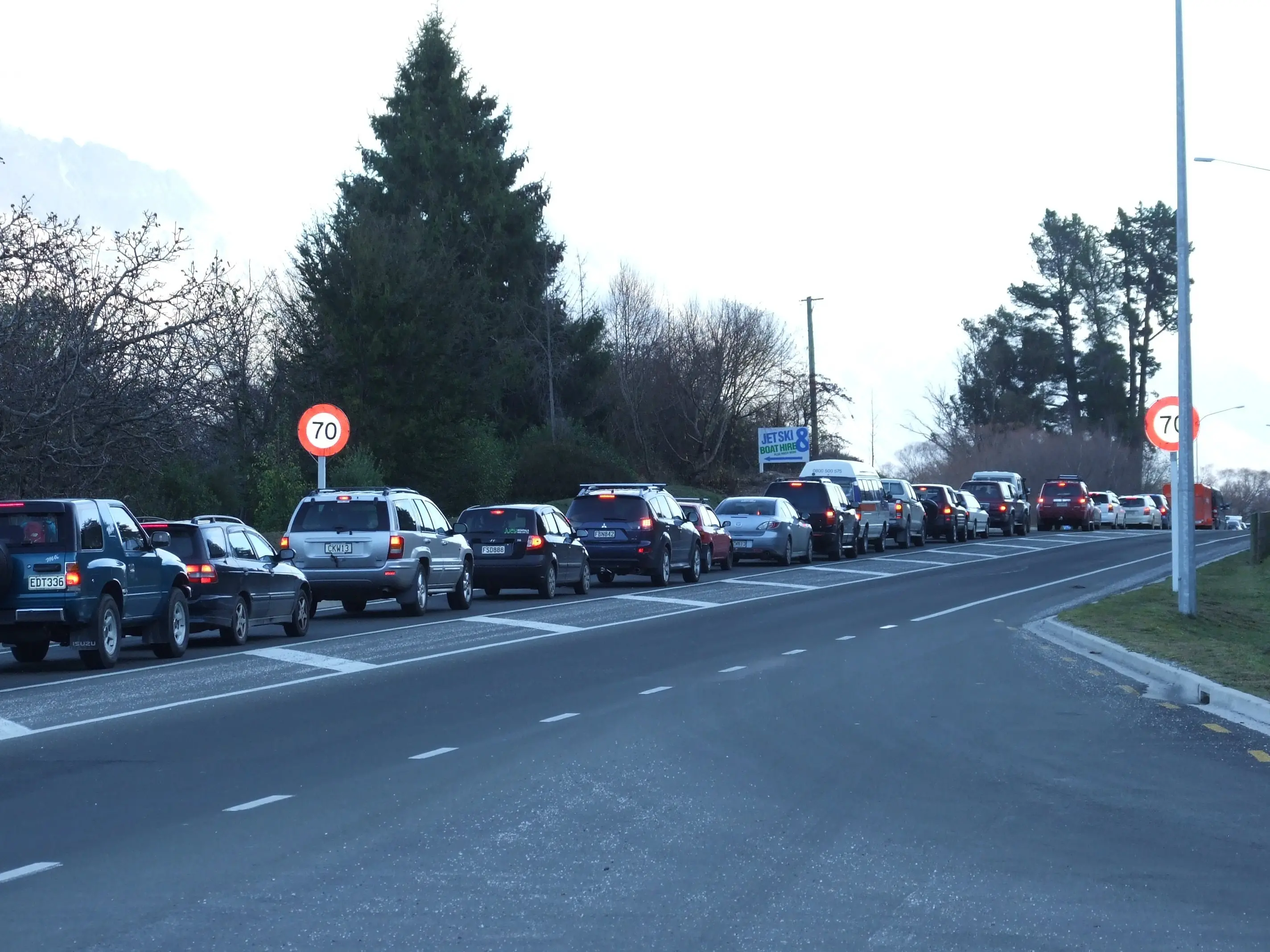
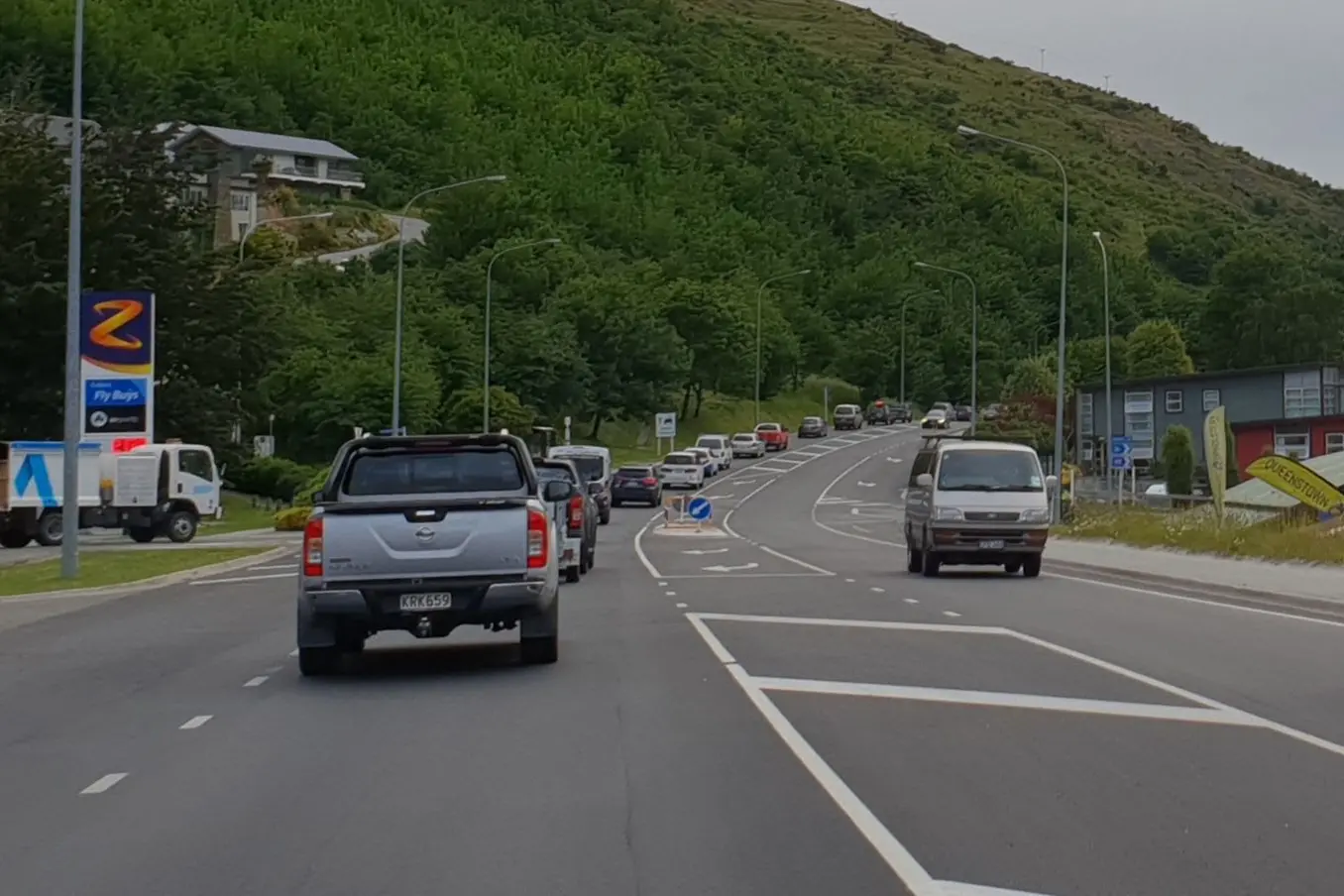
Queenstown commuters say chronic traffic congestion is ruining their quality of life, with three-hour school bus rides and missed volunteer firefighter callouts.
The regional tourism organisation warned in August that the town was struggling to cope with a big influx of tourists and Queenstown Lakes District mayor John Glover announced that he was setting up an anti-traffic congestion taskforce.
Fernhill's Ornella Proni said traffic jams were not confined to peak periods and seemed to strike at any time.
"It doesn't matter when you go, for example, to the supermarket. It could be midday and it's going to be hell. It's random," she said.
"There must be something they can do. This is not normal. You can try to stay at home or go out early in the morning or late but it's just a bit frustrating."
When Jono Brown first moved to Lake Hayes, he enjoyed a 15-minute commute to central Queenstown, but that quickly changed.
"The commute now can take anywhere from on a good day, around 30 minutes, to on a bad day around an hour.
"When we moved down here from Auckland 12 years ago we didn't buy into Queenstown, with a 50,000-odd population, [being] stuck in traffic for 45 minutes to an hour. So yeah, it's frustrating."
Tanya Stone from Arthur's Point said traffic congestion was affecting her role as a volunteer firefighter.
"There are a fair few of us on that side of town that have not been able to make the truck in time, making turn-out times incredibly long and delaying an emergency response.”
Stone said she also worried about traffic delays working as the artist transfers co-ordinator for the Snow Machine festival.
"I briefed the whole entire driving team and I had to let everyone know, all the artists, that this is what we're experiencing in Queenstown at the moment, so be prepared for possible delays.”
Driving instructor Rachael Gerard said her business could not take on more clients, despite demand for afternoon lessons.
"I wouldn't take money off anybody to sit in a queue of traffic.
"When you're teaching somebody to drive you have to be moving, you have to do manoeuvres. Now it's even becoming difficult even in between peak times like lunchtimes as well. You can often sit in a gridlock for 45 minutes to an hour-and-a-half trying to get somewhere."
Queenstown mayor John Glover said he decided to set up the traffic taskforce after hearing stories of three-hour school bus rides, people turning up late to school and missing appointments.
"When it's bad, it is really bad, and you don't know what's going to cause it. That's really challenging.”
Glover said the taskforce group of about 20 - comprising district and regional councillors, business leaders, transport representatives and mana whenua - had been working on practical traffic solutions.
Early ideas on the table included passenger ferries and traffic forecasting.
"I think we need to work out what is the most important thing to fund soon, and straight away? Where do we get that money from? If the normal sources just aren't going to work, we've got to be quite creative. Who else can pay? How else can we fund some of these?"
Brown wanted the brakes put on major housing projects, particularly fast-tracked developments.
"Get the infrastructure in place before we build more residential houses. We've got 7000-odd residents in Lake Hayes Estate alone. The southern corridor's full.
"The cart is so far ahead of the horse. It needs to slow down and we need to focus on the public transport solutions. There are some really good solutions out there, i.e. gondola."
Glover said the mayoral taskforce was aware of concerns about infrastructure and many more houses planned for Queenstown.
"We're getting thousands and thousands of houses being built, potentially through the fast-track and we know the state highway is already full.
"We know NZTA's annual spend is going to decrease in real terms over the next three to five years. So everyone's looking around and saying, well, we're going to get busier and busier, the networks are already stretched at times and there's going to be no money coming in to address that, so that's a real concern."
Stone believed the situation should never have been allowed to get so bad.
"For the people that have been making these decisions about our roads - do they even drive our roads? Because if they did surely they would understand the impact that they're having on thousands and thousands of residents and people that visit Queenstown."