
PHOTO
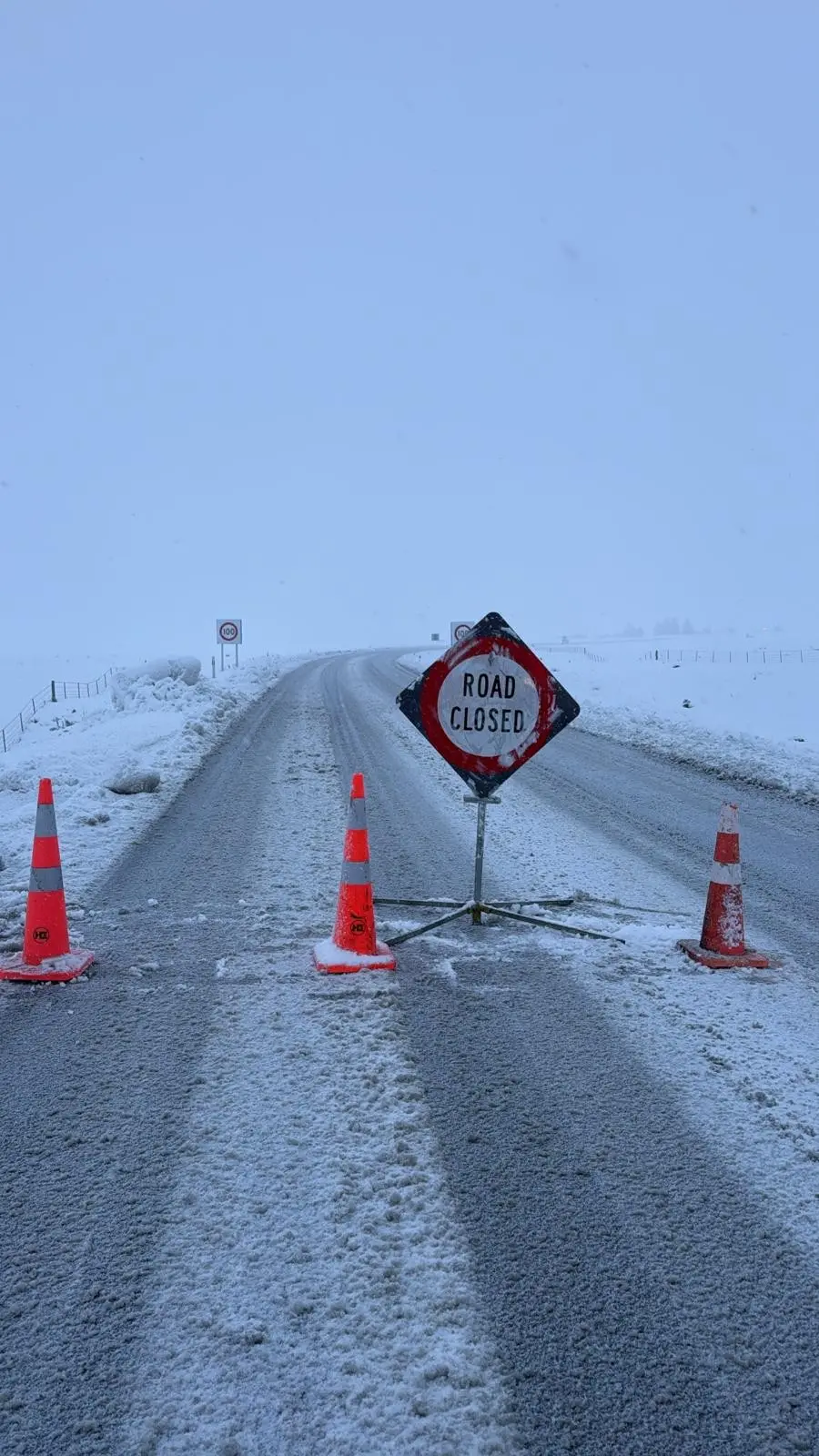
Motorists are being warned that a “significant winter storm” expected this week is likely to cause travel disruptions in parts of the South Island.
MetService says the storm will spread on to the South Island from the Tasman Sea on Wednesday.
The slow-moving “complex low and frontal system” is expected to bring prolonged heavy rain for the West Coast, and heavy snow for parts of inland Otago and South Canterbury.
NZ Transport Agency Waka Kotahi (NZTA) said private forecasting suggested more than 30cm of snow could affect State Highways 8 and 80 in the Mackenzie Basin on Thursday, while up to 20cm could fall on State Highway 73 above 700m.
“Accumulations at this level are likely to impede travel and NZTA may close sections of highway or introduce restrictions to keep people safe and avoid vehicles becoming trapped.”
NZTA said roading crews would be out around the clock clearing snow or other obstructions.
“People planning to travel on the state highways during this time, especially inland and via alpine passes, are urged to keep an eye on weather forecasts.”
MetService said a heavy rain watch now in force for the Westland ranges of the Westland District would be upgraded to a warning on Tuesday morning, “and further watches and warnings will also be added as the event approaches”.
Avalanche season for SH94 / Milford Rd
State Highway 94 between Milford Sound and Te Anau reopened this morning after an overnight snow closure, but more snow and an increasing avalanche risk at this time of year means more closures lie ahead.
The key tourist route is scheduled to close again at 4.30pm today (at Lower Hollyford Road) because of the increased avalanche risk, with reopening expected by about 9am tomorrow.
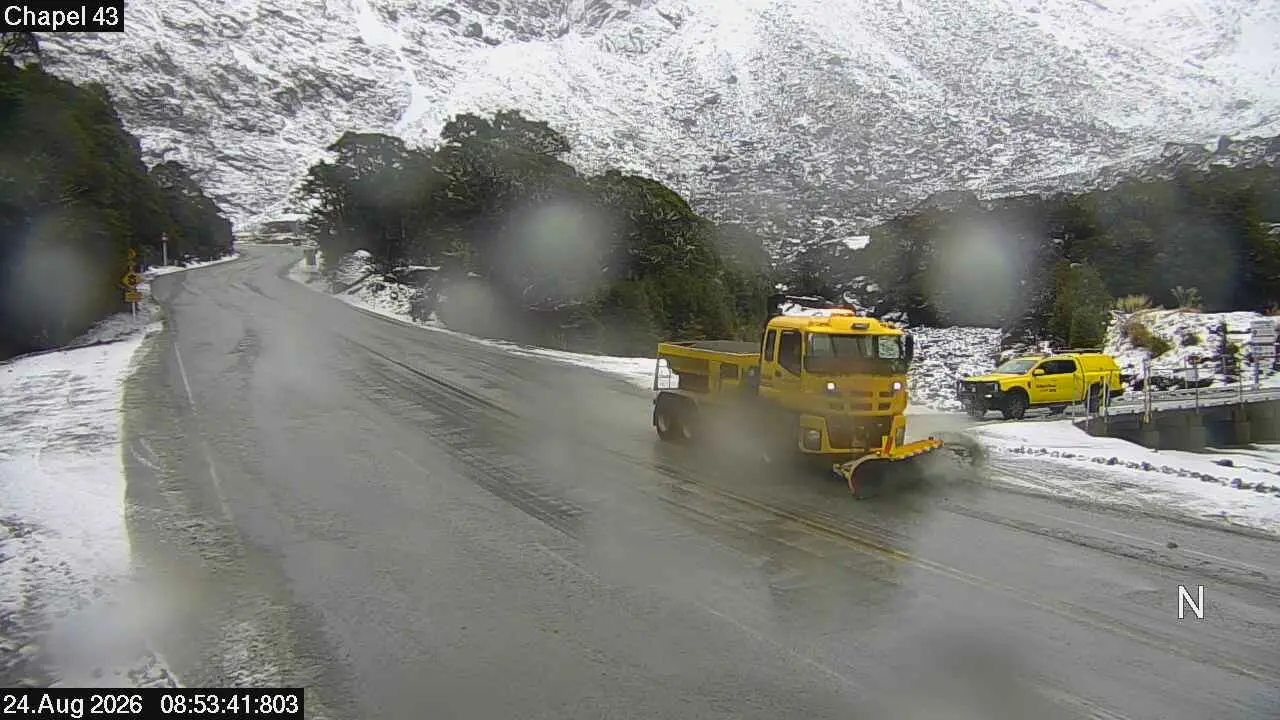
The elevated avalanche hazard means that all-day closures are possible for Wednesday and Thursday this week when snow to road level is forecast.
Milford Road Alliance manager Kevin Thomson said Milford Sound had some of the biggest avalanches in the world, so it was important to be proactive in dealing with the threat.
"A typical season will see us observe between 200-400 avalanches above and around the road. We manage the risk to those going to Milford Sound by using both passive controls like no stopping areas, short closures, signage and patrolling and moving people along, and also using active controls such as full road closures, and use of explosives to reduce snow volumes above the road by creating avalanches before nature does,” Mr Thomson said.
“While we are managing the avalanche hazard other Fiordland conditions can continue to come into play, and a mixture of issue or events at the same time can impact travel to Milford Sound, including snowfall, vehicle crashes, ice, treefall, rockfall and earthquakes (as seen recently).”
— Allied Media