
PHOTO
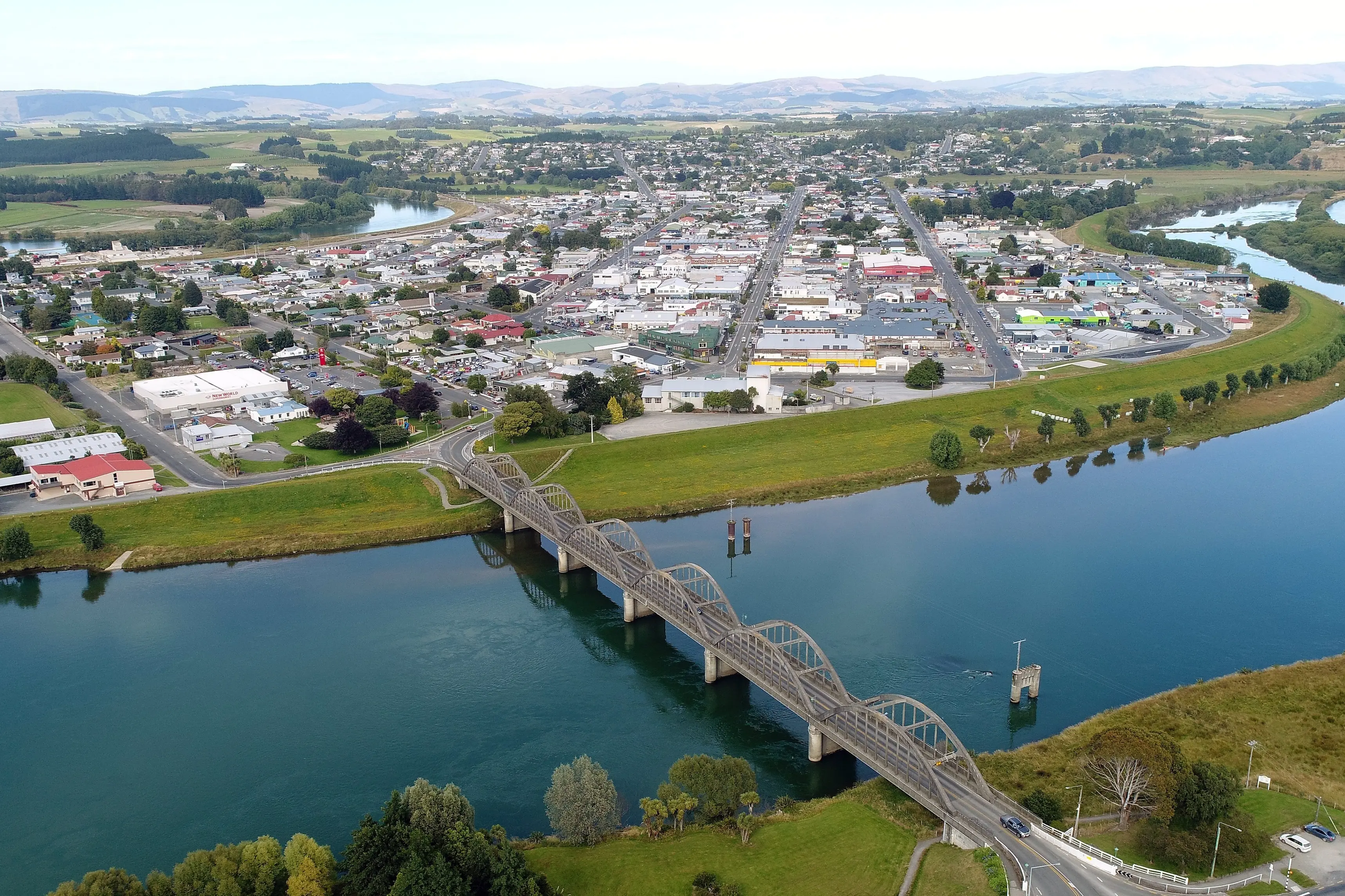
Clutha’s future council arrangements are back up in the air, following a week of political manoeuvring throughout the South.
Following a Clutha District Council meeting last Thursday, mayor Jock Martin and councillors were in buoyant mood as an 11th-hour amalgamation deal appeared to have been struck with Central Otago and Queenstown Lakes district councils.
However, the deal — arising as part of the government’s “Simplifying Local Government” programme — remained contingent on approval by Queenstown Lakes during their meeting on Monday.
But Queenstown Lakes councillors voted instead to put forward a “twin unitary” model with Dunedin City Council in a “head start” proposal, before the government deadline of Sunday.
Mr Martin and Central Otago District Mayor Tamah Alley expressed their disappointment following Queenstown’s snub, saying the three-way partnership “stood on its merits”, and would still be put forward as an alternative “head start” proposal.
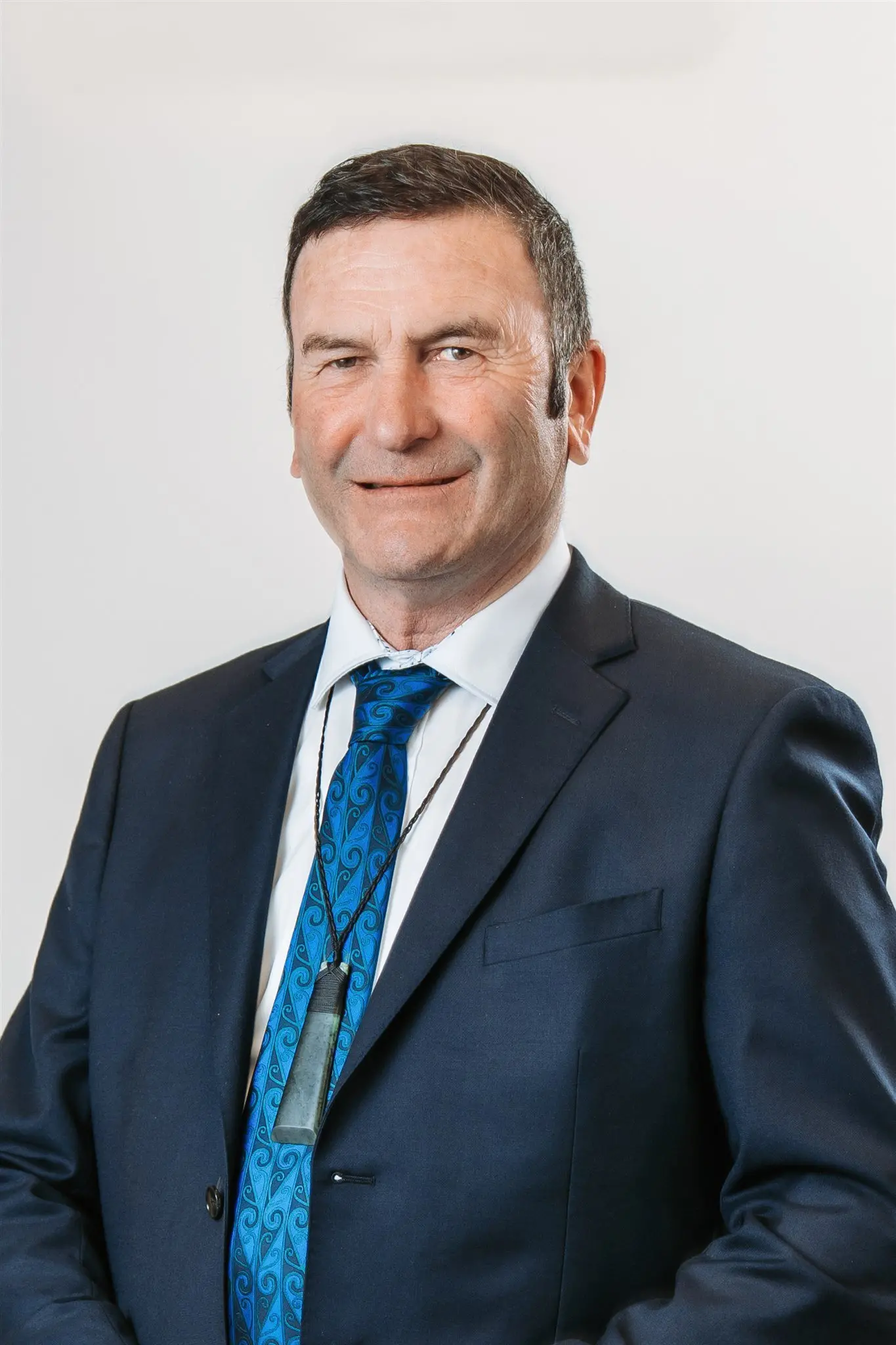
“Leadership means standing up for the communities we represent and there is no appetite among our communities to see smaller towns and rural areas marginalised by larger entities,” a joint statement from the mayors said.
“Our proposal keeps catchments aligned, recognises the Clutha/Mata-Au as a single living system from source to sea and reflects Kāi Tahu aspirations for integrated catchment management.”
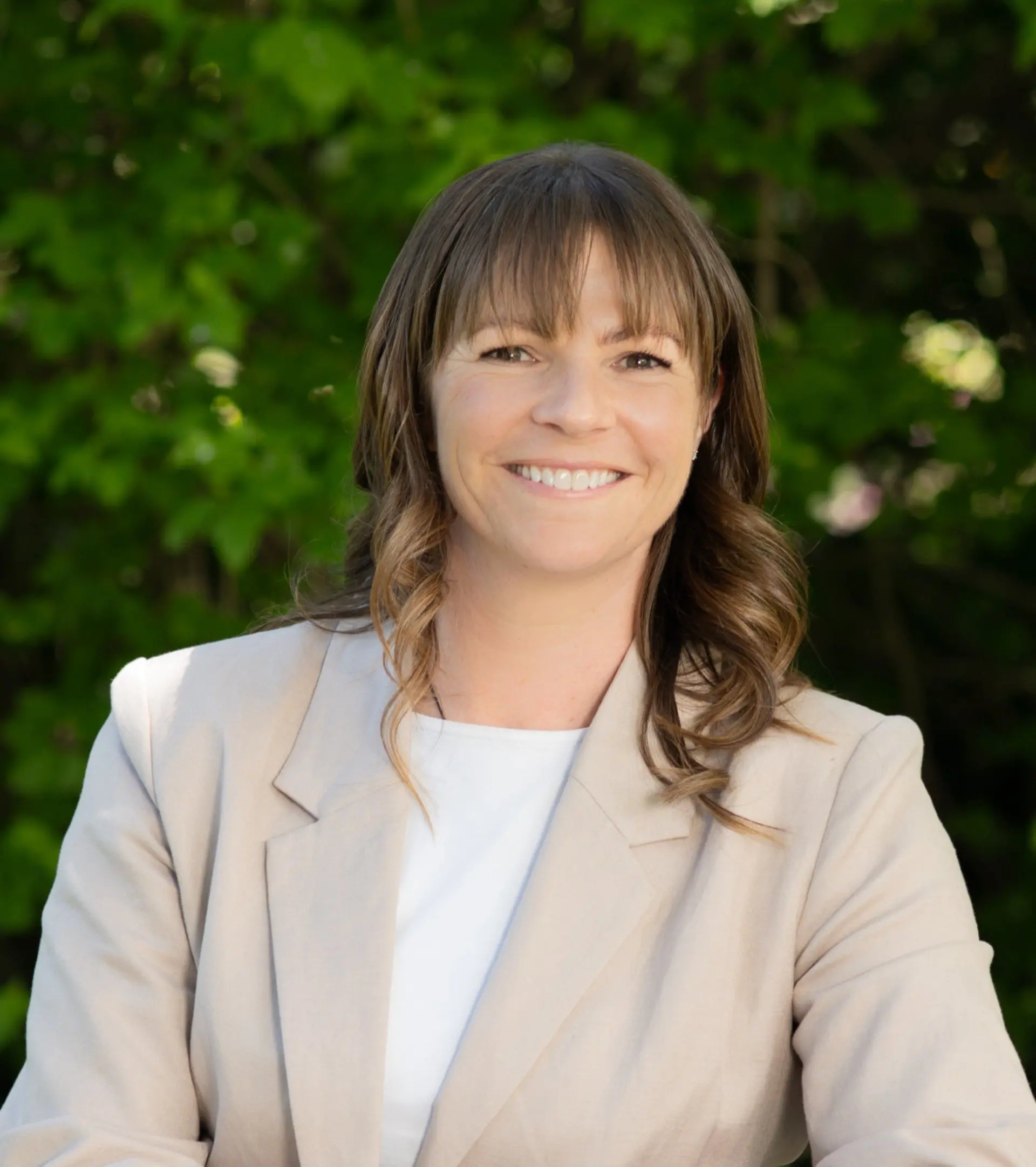
Mr Martin added, “I’m strongly advocating for the rural voice, and believe the head start proposal that captures the ‘mountains to the sea’ … is well thought out and has merit.”
Both Clutha and Central Otago councillors debated and approved the three-way proposal last week.
During the Clutha meeting, councillors were bullish on the improved prospects for residents through self-determination of the district’s “destiny”.
Cr Roger Cotton said retaining a local voice was key.
“This proposal makes sense to me. Keeping the ‘local’ in local government is the big thing for me, and retaining a local voice, and control of our destiny. We don’t know what the backstop is — we may like it, we may not — but this gives us a chance to control our own destiny.”
Cr Dane Catherwood urged the councils to get fully behind the proposal.
“Local and affordable was the message we got from our [community amalgamation] survey. There’s a bureaucratic mess going on in this country, and this process aims to eliminate that.”
Following their meetings on Monday, Queenstown Lakes and Dunedin City councils proposed a “twin unitary authority’’ model.
Under the proposal, the Queenstown Lakes and Central Otago councils would form an “Inland Otago’’ unitary council, while Dunedin, Clutha and potentially the Waitaki would form a “Coastal Otago’’ unitary council, with regional council functions delivered by an “appropriate shared services arrangement”.
Queenstown Lakes District Mayor John Glover said the decision recognised the need to actively participate in shaping the future of local government in Otago while keeping options open for the district.
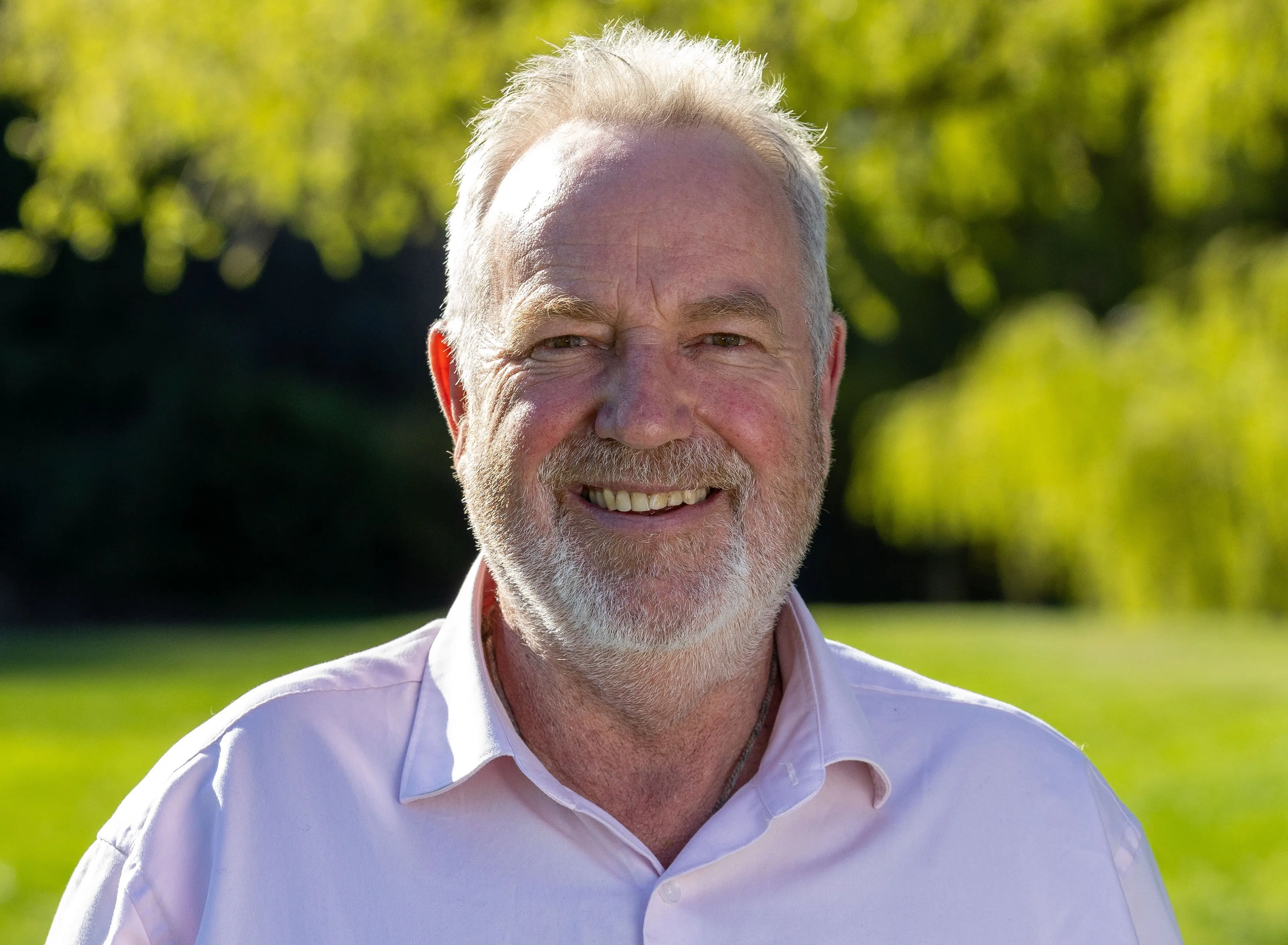
“Any significant changes to governance arrangements would require substantial further analysis, community consultation and government consideration.”
Councils have until Sunday to submit ‘‘head start’’ plans for new unitary authorities made up of at least two councils.
Those with an unsuccessful proposal, or no proposal at all, will have structures imposed on them by the government through a “backstop” process.
Central Otago’s proposed unitary authority would combine the full areas of the Central Otago, Clutha and Queenstown Lakes district councils, with an option to include Waitaki District Council’s Waihemo ward and rural parts of Dunedin City, including Middlemarch and the Taieri catchment, should they wish.
richard.davison@odt.co.nz
- Additional reporting: Guy Williams