

PHOTO
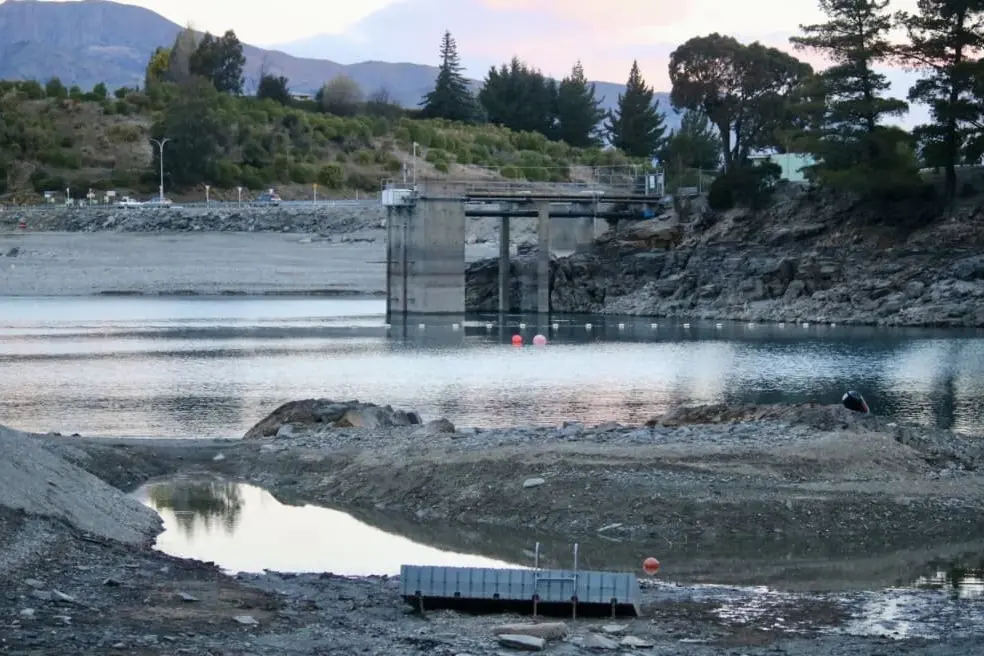
A surge in demand for electricity over winter has lowered lake levels at Hāwea.
Lake Hāwea is at more than 4m below the top of its normal operating range.
However, it remains within consented limits.
Contact Energy holds a resource consent to hold Lake Hāwea between a high of 346m above sea level and a low of 338m, with a further 2m drop to 336m allowed if Transpower considered there was a major threat to the electricity supply.
In a statement last week, Contact Energy head of hydro generation Boyd Brinsdon said Lake Hāwea was at 341.61m above sea level, which was in its normal operating range.
“Water is being released from the lake at consented levels to help generate electricity at the Clyde and Roxburgh power stations and support New Zealand’s high winter power demand.
“We expect lake levels to continue to decrease over the coming weeks.
“This helps up balance energy generation with maintaining enough storage capacity in the lake to manage future inflows and changing weather conditions,” he said.
Guardians of Lake Hāwea chair Dave Currie said the present level of Lake Hāwea was normal for this time of year, when Contact needed more energy.
“One of the things we have to face is that the lake is a storage lake and Contact has consent to operate it between 346m or 338m and they certainly are operating within those levels at the moment.
“There is generally some dust [at lower levels] but the consented low levels don’t give concern,” he said.
In 2025, Contact Energy sought to reduce the lake’s minimum operating level to 336m, with an emergency level of 330m.
Hāwea locals successfully fought the proposal, having expressed concerns about dust storms and groundwater levels in the township.
In July, Mr Currie expressed concern about the lake being held at its maximum consented level, saying the combination of the lake being held at 346m for an extended period and bad weather had contributed to the erosion of the Flora Dora Cliffs.
The area underneath the cliffs was not safe for the public.
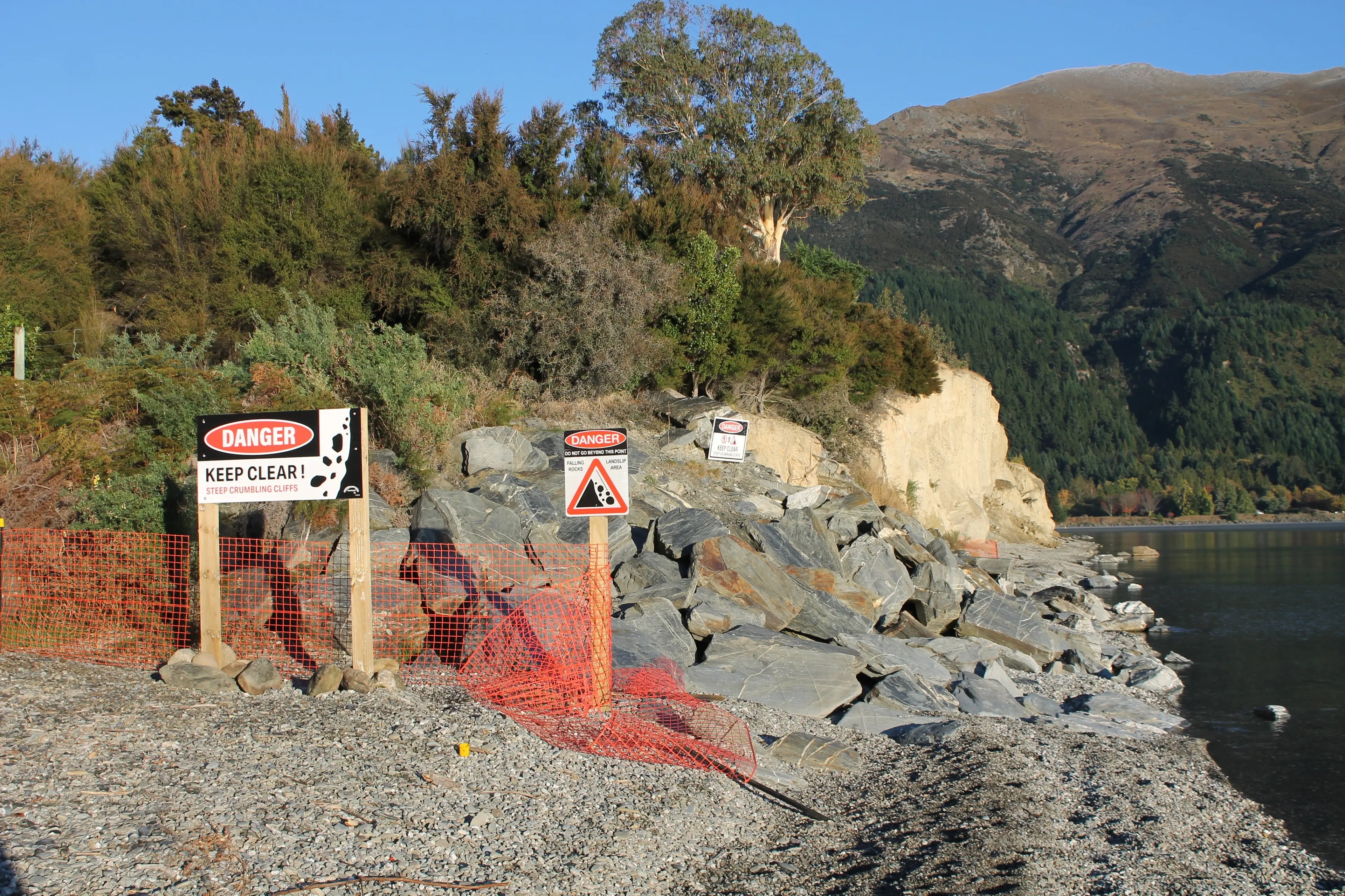
About 600m of shoreline is now off limits, with sections of the beach likely to be unsafe for the public until the end of winter 2030.