
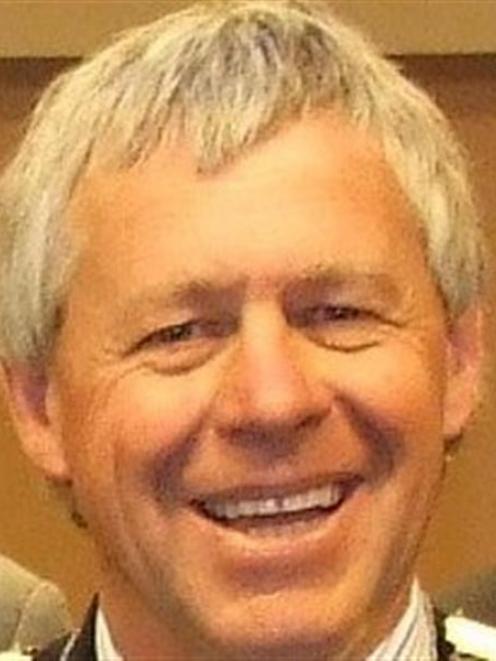
However, Sport Otago chairman and Central Otago Mayor Tony Lepper disagrees.
Mr Lepper said the sports awards already catered for young amateurs and the rising standard of nominations meant candidates had to compete at an international level to be in the running for the top awards.
Mr O'Connor, who is heavily involved with rugby and cricket in the Upper Clutha and an Upper Clutha Sports Trust member, was unimpressed with the decision to name All Black Andrew Hore the supreme winner at the awards last Friday night in Cromwell.
"I got quite a surprise ... bearing in mind that he's already had all the accolades and all that sort of thing through the All Blacks," Mr O'Connor said.

Mr O'Connor said the same applied to the coach of the year award, as it was impossible for volunteer coaches to compete with people who coached for a living.
Mr Lepper said the senior awards nominees were generally all professional or semi-professional now.
"And I don't think an amateur senior person really wants to be on the same stage as those people, to be honest.

Those categories acknowledged "outstanding" young sports people who "get invited to the evening, and they get to mix with professional sports people", Mr Lepper said.
Hore had succeeded nationally and internationally, as well as with his home club.
On one occasion, he had played for the Hurricanes on a Friday night in a professional capacity, then with his Maniototo side against Clyde "for nothing" the following day, making him "well and truly qualified" for the supreme award.
Mr Lepper said the judging panel was "pretty flexible" in its criteria, but nominees should consider Central Otago their home and, ideally, have an affiliation with a club from the district.


