
PHOTO

Two West Coast Ngāi Tahu hapū say the sentencing of an Auckland mother and son shows people trying to take pounamu out of the country illegally will be caught.
Boyuan Zhang and his mother Xin Li were fined a combined $5000 in the Manukau District Court yesterday for attempting to export 17.9 kilograms of pounamu in July 2024.
It is unlawful to export 5kg or more of raw or partially processed pounamu without permission.
Poutini Ngāi Tahu Rūnanga co-chairmen Francois Tumahai (Ngāti Waewae) and Paul Madgwick (Ngāti Māhaki) said the sentencing sent the right message.
‘‘If you break the law and exploit our taonga, you will be caught and prosecuted,’’ Mr Tumahai said in a statement.
‘‘We’re very grateful for the support of New Zealand Customs (Service) to secure this outcome. Their kaimahi are on the frontline guarding the border and protecting pounamu from being taken offshore.
‘‘We’ll soon be meeting with ministers to look at tightening the rules and reducing export limits following earlier discussions with MBIE.’’
Pounamu has been a taonga for South Island iwi Ngāi Tahu and their tīpuna for hundreds of years.
Thirty years ago this month, the Crown promised to recognise Ngāi Tahu ownership of pounamu, leading to the Ngāi Tahu (Pounamu Vesting) Act 1997.
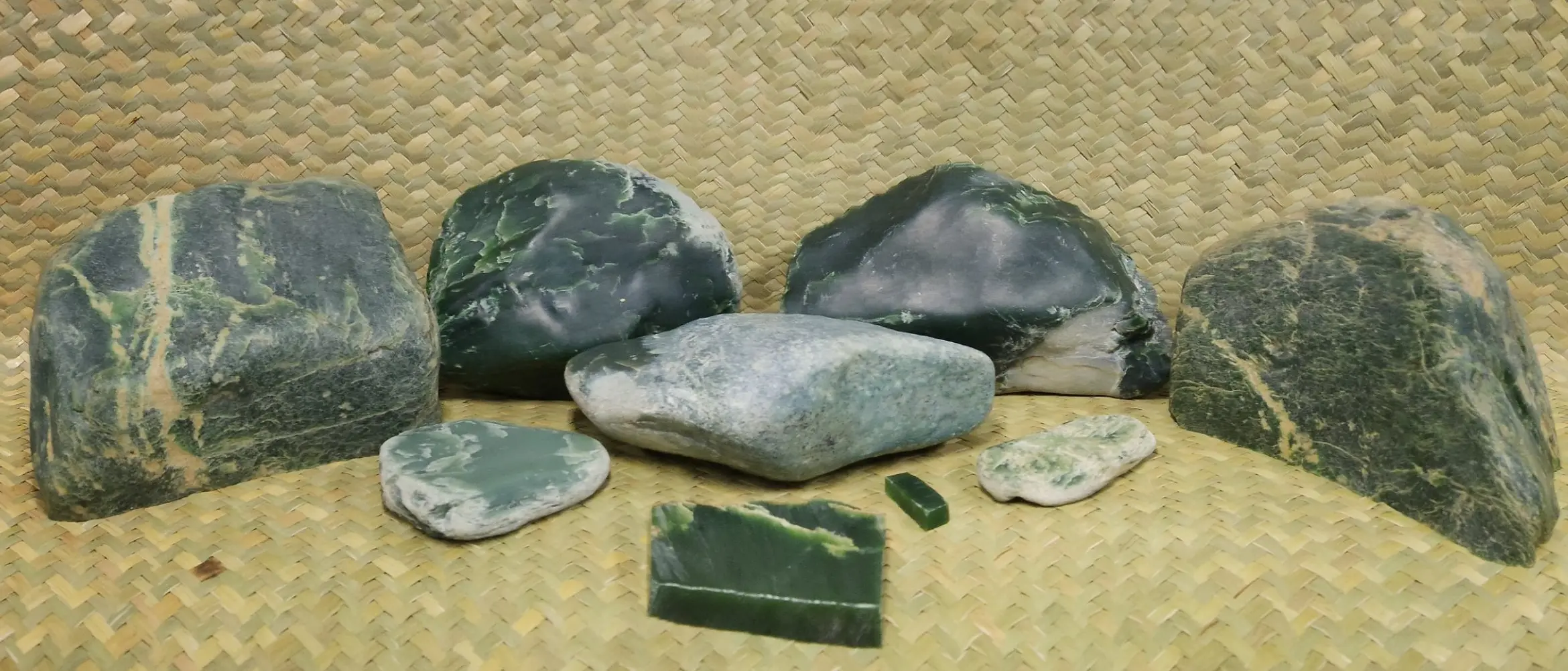
Decades later, theft is still occurring. In April, more than one tonne of stolen pounamu was seized by police on the West Coast. Late last year, 820kg was also recovered in Dunedin.
In April, three people were arrested in Central Otago and the West Coast regarding the first amount, and in the second, stolen pounamu was seized in Dunedin and a 29-year-old man arrested in December 2025.
‘‘For too long, people have been getting away with taking pounamu out of the country or from the whenua and awa illegally,’’ Mr Madgwick said.
‘‘But these recent cases show those stealing the stone will be caught.’’
Everyone can collect what they can carry in their hands from West Coast beaches, but only Poutini Ngāi Tahu descendants can legally take pounamu from river catchments in the area.
Two types of remote South Westland pounamu are especially vulnerable to theft: Tahutahi, or snowflake pounamu, found only in the Cascade Plateau near Haast, and another type of stone widely known as Douglas Creek.
‘‘Almost 20 years ago people went to jail for stealing Tahutahi,’’ Mr Madgwick said.
‘‘This precious stone fuelled the black market and was sold across the country without the permission of its kaitiaki.
‘‘The only store in the country legally selling Tahutahi pounamu is Westland Greenstone in Hokitika, but it’s still turning up on the black market.
‘‘Earlier this year it was being sold on an overseas website, and more recently a South Island retailer was found to be holding it.
‘‘Facebook Marketplace, Facebook groups, and Etsy are full of stolen listings, especially for stones like Douglas Creek. We’ve recently met with TradeMe, who have committed to cracking down on listings, but we’re still being asked to identify and report stolen stone for them. They need to do more to protect their users from buying stolen pounamu.
‘‘Carvers and buyers of pounamu throughout New Zealand need to be asking the right questions too. Where is the stone from? Who carved it? Can you prove it was sourced with the permission of its kaitiaki?
‘‘It’s buyer beware. Some retailers sell imported jade carved into Māori designs alongside pounamu, including pieces made overseas.’’
The Ngāi Tahu Pounamu authentication scheme ensures buyers can trace the whakapapa of the stone. Entering a code online shows where it is from and who carved it.
‘‘Ask for the code next time you’re buying a taonga. It’s the only way to know it’s been sold or carved with the permission of the kaitiaki,’’ Mr Madgwick said.
‘‘These are simple checks that help people avoid unlawfully sourced stone and support authentic carving.
‘‘No-one wants to buy stolen pounamu.’’ — Allied Media
• Paul Madgwick is also the editor of the Greymouth Star, Hokitika Guardian and The West Coast Messenger.