PHOTO
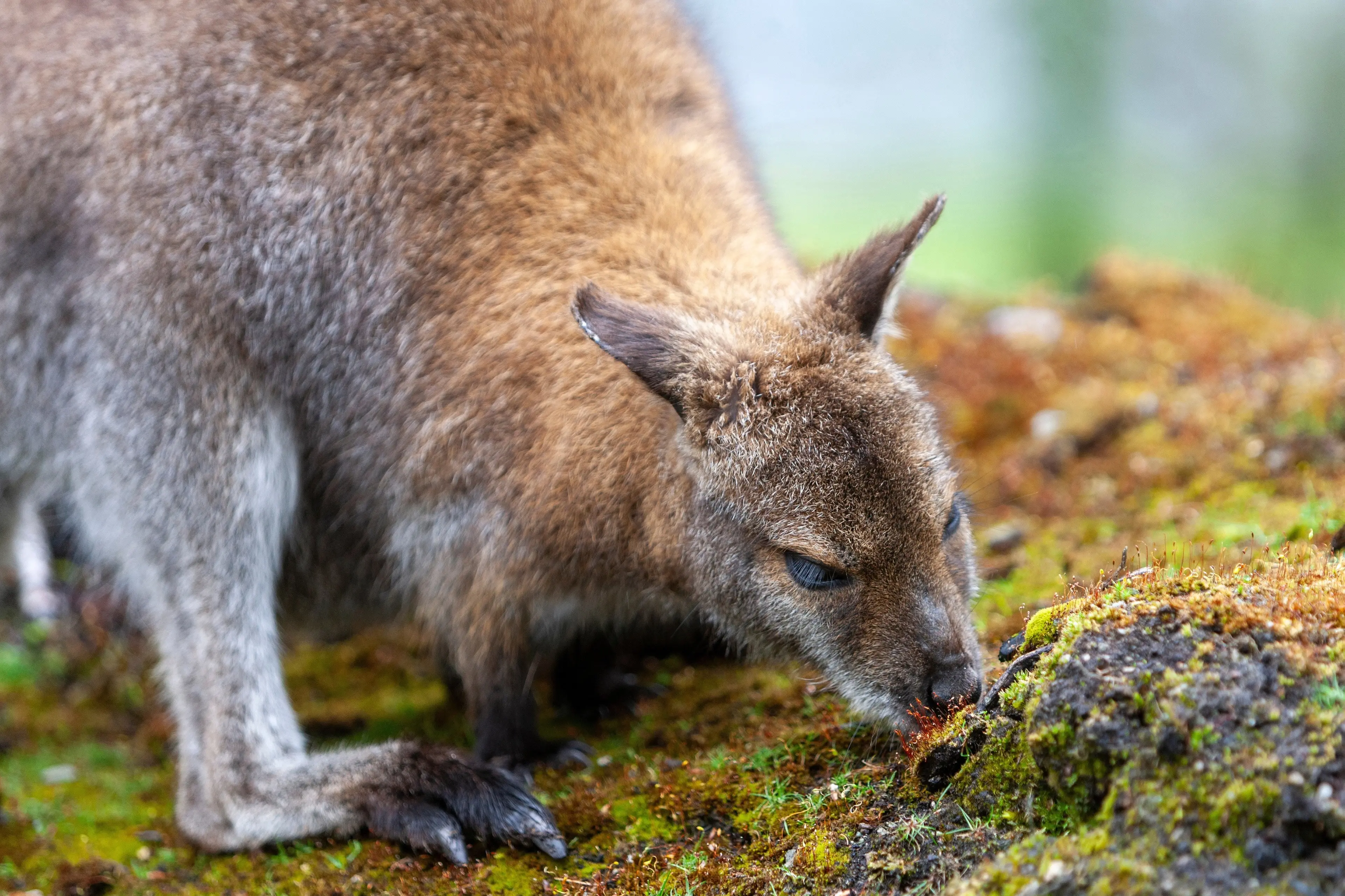
A major aerial control operation removing thousands of wallabies on conservation land has won the approval of South Canterbury farmers.
The Department of Conservation (Doc) had three helicopters dropping 1080-laced bait in the 7500ha Kaumira public conservation estate on Mt Nimrod on the northern Hunters Hills.
Doc said the aerial drop had a high strike rate with control teams reporting only seeing six wallabies near the boundary in a final fly-over.
The costly operation was only made possible by nearly $500,000 from International Visitor Levy (IVL) funding.
Farmers estimate a 20,000 population was based on Nimrod, feeding on high country tussock and scrub lands and on to farming paddocks and stock crops.
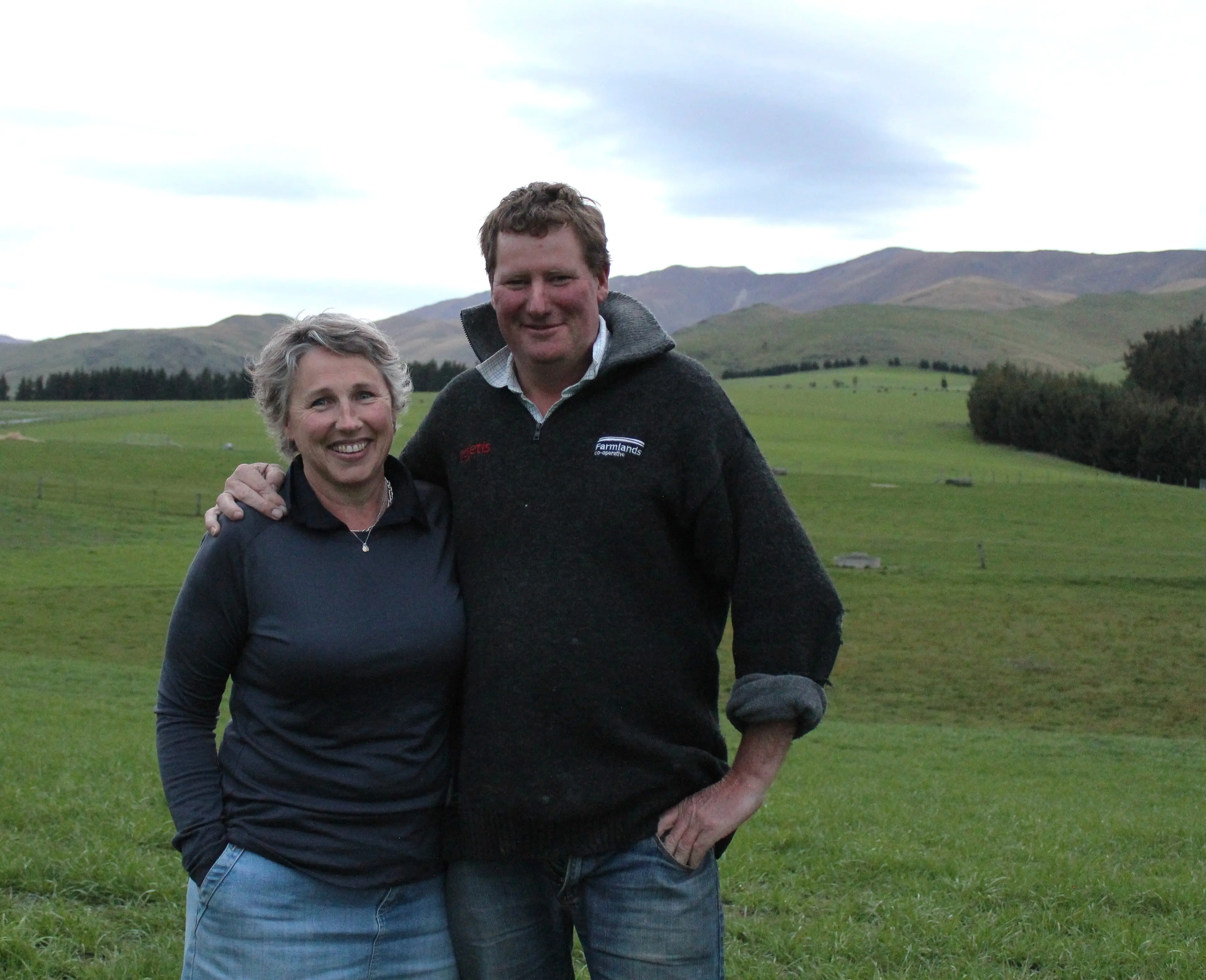
Ranui sheep and beef farmer Matt and Victoria Simpson are on a nearby 4000ha farm in the Hunter Hills, bordering the Doc estate.
He said they were thrilled the control work had gone ahead after six to seven years of urging the department to remove numbers on the block.
“There would have been at least three wallabies to the hectare on that block so that’s a lot and just on the fringes and margins where those areas of habitat are it would be possibly more than that again and grazing on farmland.’’
The operation would benefit the whole community and not just biodiversity, he said.
“The local farmers adjacent to it are absolutely thrilled because the public conservation land is habitat for wallaby and other pests. That is where they go for refuge during hunting so it’s great to have this project push forward. It gives the local farmers the opportunity to jump on board and do their bit now and really suppress the heck out of these critters.’’
Wallaby numbers were a “nightmare’’ before Ranui’s altitude country went under control by the National Wallaby Eradication Programme.
“We were getting 2400 wallabies shot here a year and now we are down to about 130 a year so it is just substantial the amount of grass and stock disturbance and having hunters in here so it’s been a game changer.’’
Stock condition had improved with less feed competition and less ground being fouled, and native shrubs and trees were returning.
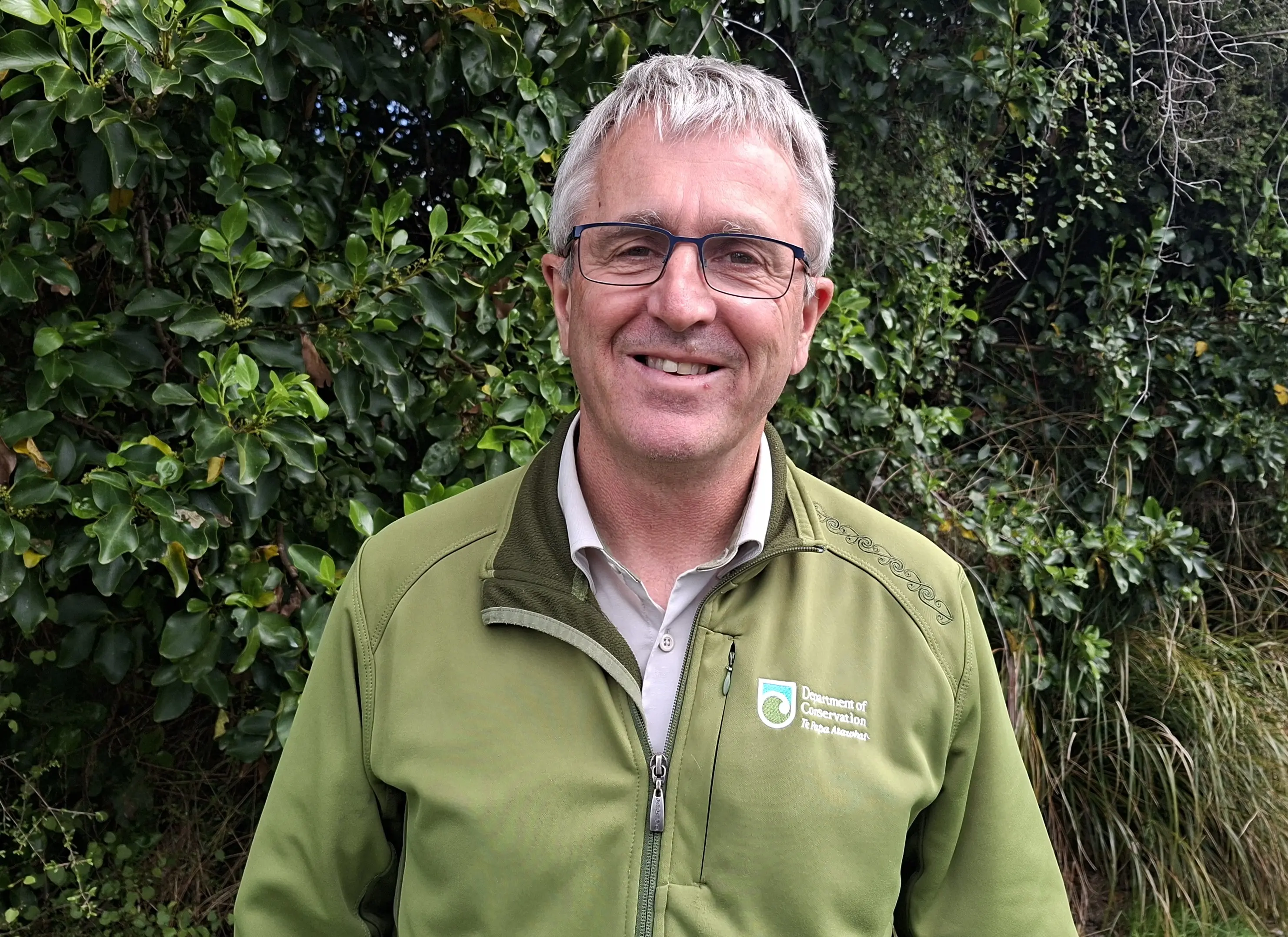
Doc regional operations manager Tony Preston said post monitoring had revealed a kill rate of at least 93%.
He said many carcasses were visible from the air, indicating the operation had made inroads in a high density population.
The costly operation could not have been funded from the core budget without taking funds from a critical conservation programme, he said.
“It was not a cheap exercise and it was something we did not have the resource to do for a very long time, possibly 15 years since we have had that level of resource to allocate to wallabies so we are grateful for the support. I know the farmers will be very grateful as well.’’
He said the operation would tie in with work by other landowners to reduce wallabies numbers.
The helicopter operation was on the edge of the winter window when there is little natural feed available to encourage the pest to take laced bait.
A cereal bait prepared for controlling Bennetts Wallaby was laid first without poison about five days before the 1080 drop.
Mr Preston said the wallabies were a real pest for conservation and farming.
“They are big grazers so they have quite an impact on conservation particularly in another big block of conservation land further south we call the Studholme block that is bigger than this one. That has a native broom, a Carmichaelia called pink broom and they heavily browse that and it is a threatened broom.’’
Doc hopes it can access further IVL funding to reduce an even high wallaby density on Studholme.
Environment Canterbury has also released $2 million to boost control efforts over the next two years for farmers and other landowners in the area.
Mr Preston said Doc was grateful for the support of surrounding farmers and some of them were considering undertaking their own control.
“That would be be great because we have wallabies that will be down on their properties hiding in their scrub. If they do their follow-up control that will make the overall control more effective.’’
Mr Simpson said the key would be for farmers on the margins of the Doc estate to control wallabies on their land as there was a risk of reinvasion.
Doc plans to follow up the control with aerial hunting by specialised staff in May.