PHOTO
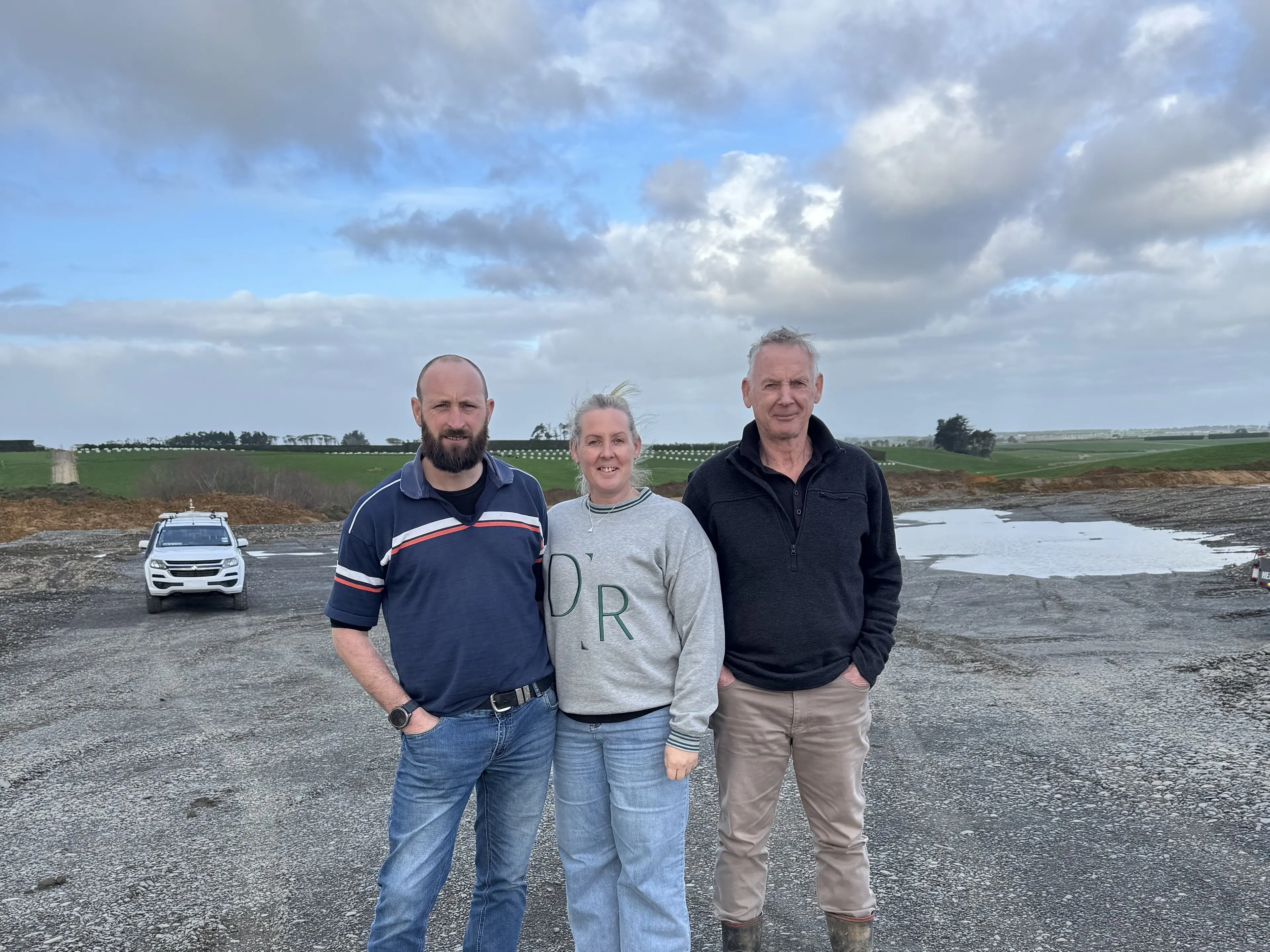
The introduction of winter milking will help pay for the construction of a more than $2 million barn on a family dairy farm in Southland.
A Lower Aparima Catchment Group tour stopped at 216ha dairy property Welsh Family Farms in Gummies Bush, near Riverton.
At the stop, dairy farm co-owners Nathan and Vicki Cook talked about the construction of a new winter barn, which would cover most of a 2.8ha paddock.
Mr Cook said the DeLaval comfort cow barn would be 144m long and 36m wide and able to house their existing 650 cows.
"It future-proofs our business."
The barn would allow them to increase production, stop wintering cows on crop and save on re-grassing costs after a wet spring.
"It gives us control."
He considered applying for consent to milk more cows to help pay for the barn but discounted the idea due to cost.
"We thought let’s just do our 650 [cows] and do it well."
The construction contract was signed at the end of January this year.
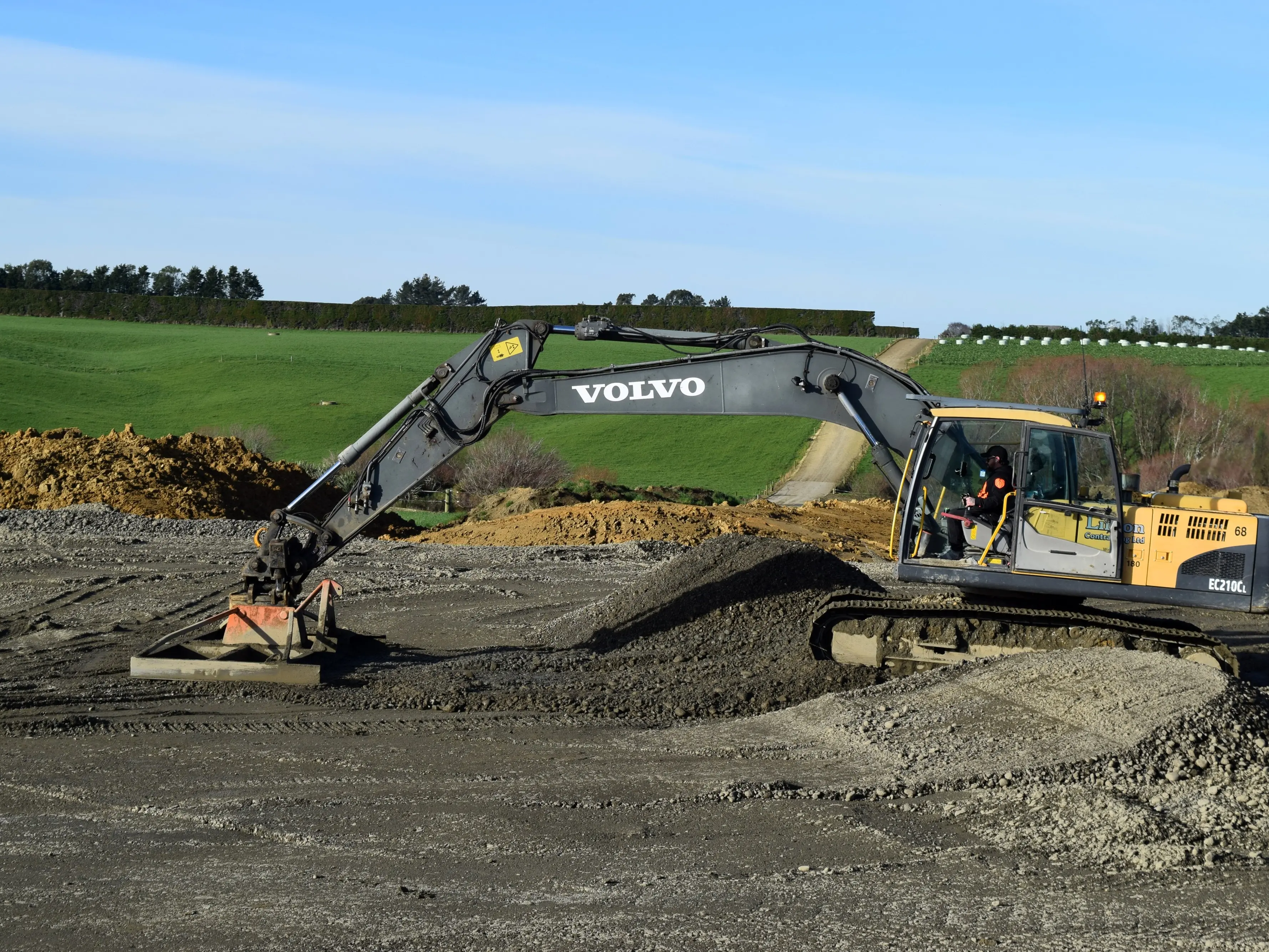
Trucks were constantly delivering gravel.
"It just keeps on coming."
Construction was expected to be finished by early April next year.
"They are hoping to pour concrete at the end of this month with a bit of luck."
The barn construction cost was about $3500 a cow.
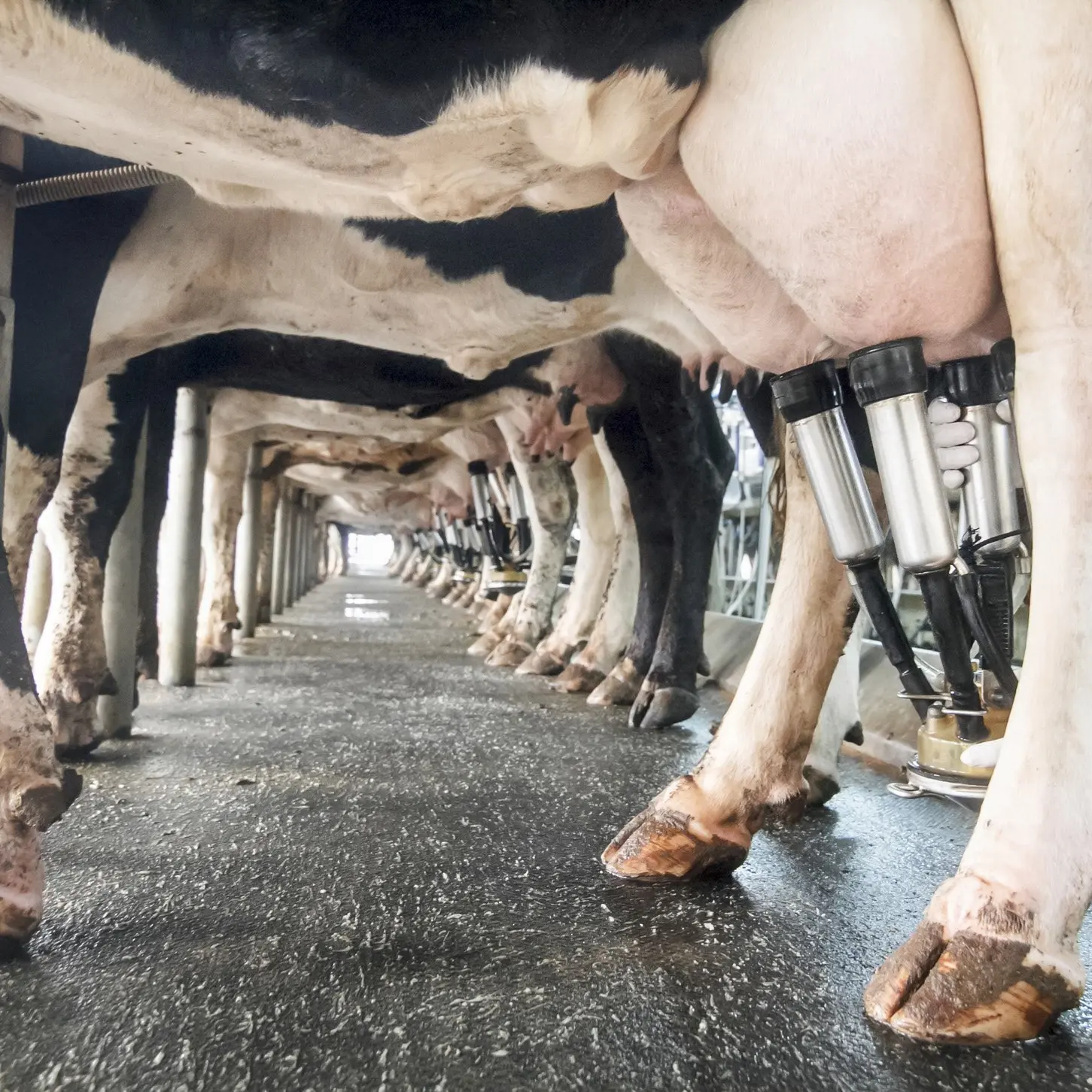
To help pay for the cost, the milking season would be extended to include winter and the existing 54-bail rotary milking shed would be operating all year.
"If you’re going to all this expense, you’ve got to milk out of it."
They had a consent to milk 220 cows in winter.
About 20 cows would produce calves in late January next year.
The move would halve the amount of days those cows were dry, a fall from about 120 days dry to about 60.
"We can utilise those cows a lot more."
Over time, more cows would be shifted to the herd producing fresher milk in winter, he said.
In the new barn there would be 632 individual cubicles with rubber mat flooring.
The other areas on the 240m-long construction site includes truck access to a silage stack and bunker.
A tractor could be driven down the sides and through the barn to feed silage to the cows.
The purchase of 100ha support blocks in Ermedale and Thornbury allowed them to cut and carry feed to support the new shed.
Also on the site was an alley to scrap effluent to a separator, which then entered a new effluent pond.
The pond was 82m long, 31m wide and 3.5m deep and could hold seven million litres of effluent.
He believed a pond with a five million litre capacity would have been big enough but he was happy with the size.
"It gives you options.
"If you get a wet spring, you’ve got storage and no-one wants to be running short."
The effluent from the new pond would be pumped to an existing one, which had the infrastructure required for irrigation.
He had applied to add a travelling irrigator to his consent so he did not need to rely on an existing pod system.
"I hate the pod system. They block and they’re inconsistent and you have patches in your paddocks."
A travelling irrigator would allow them to move more effluent if needed.
Mrs Cook praised her family for providing a "great canvas" to grow a dairy business since converting from sheep in 2013.
"It was always well looked after."