PHOTO
The "best of the best" southern dairy heifers will be pioneers of the repurposing of a large Taieri shed to chase genetic gains.
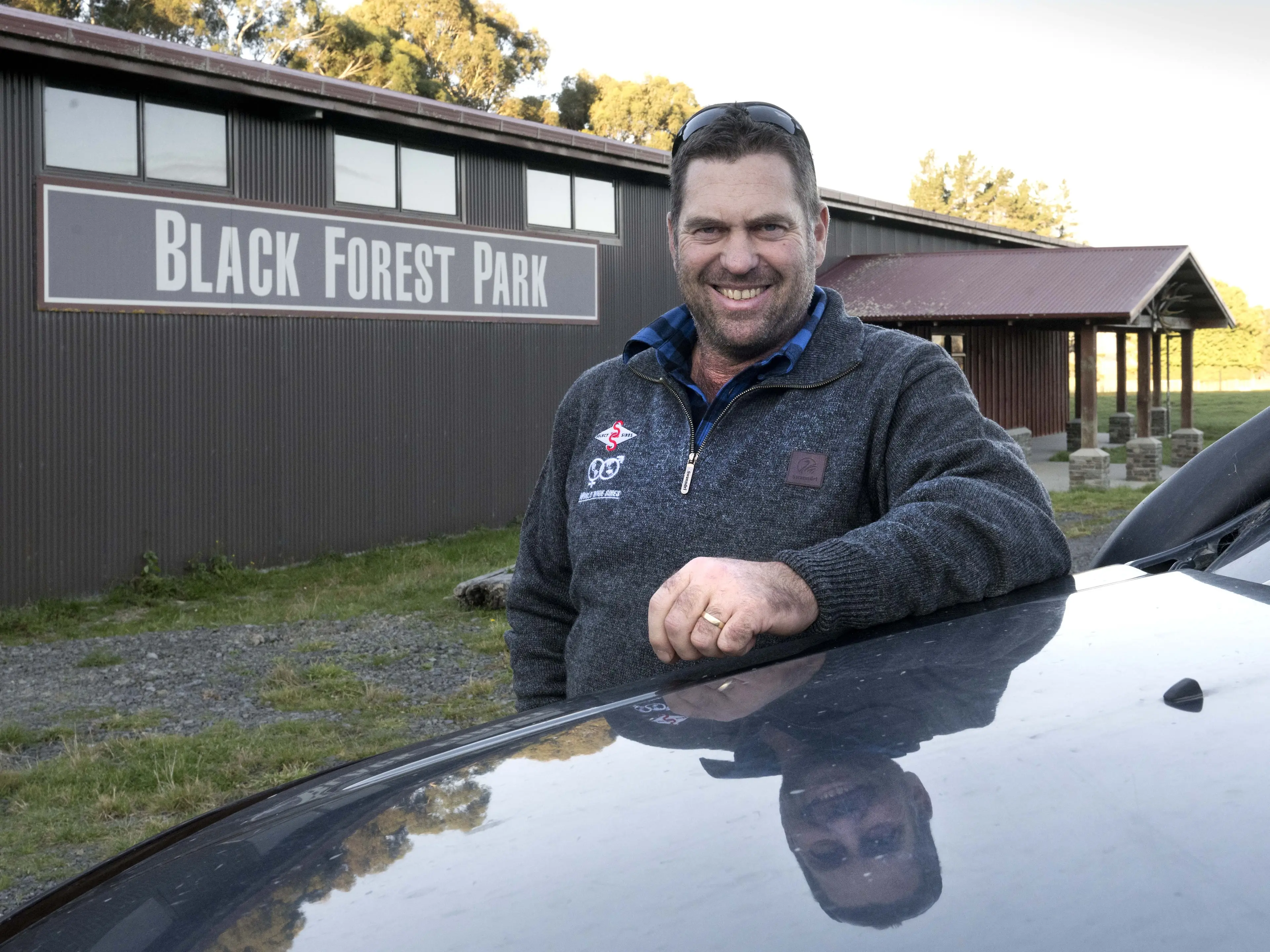
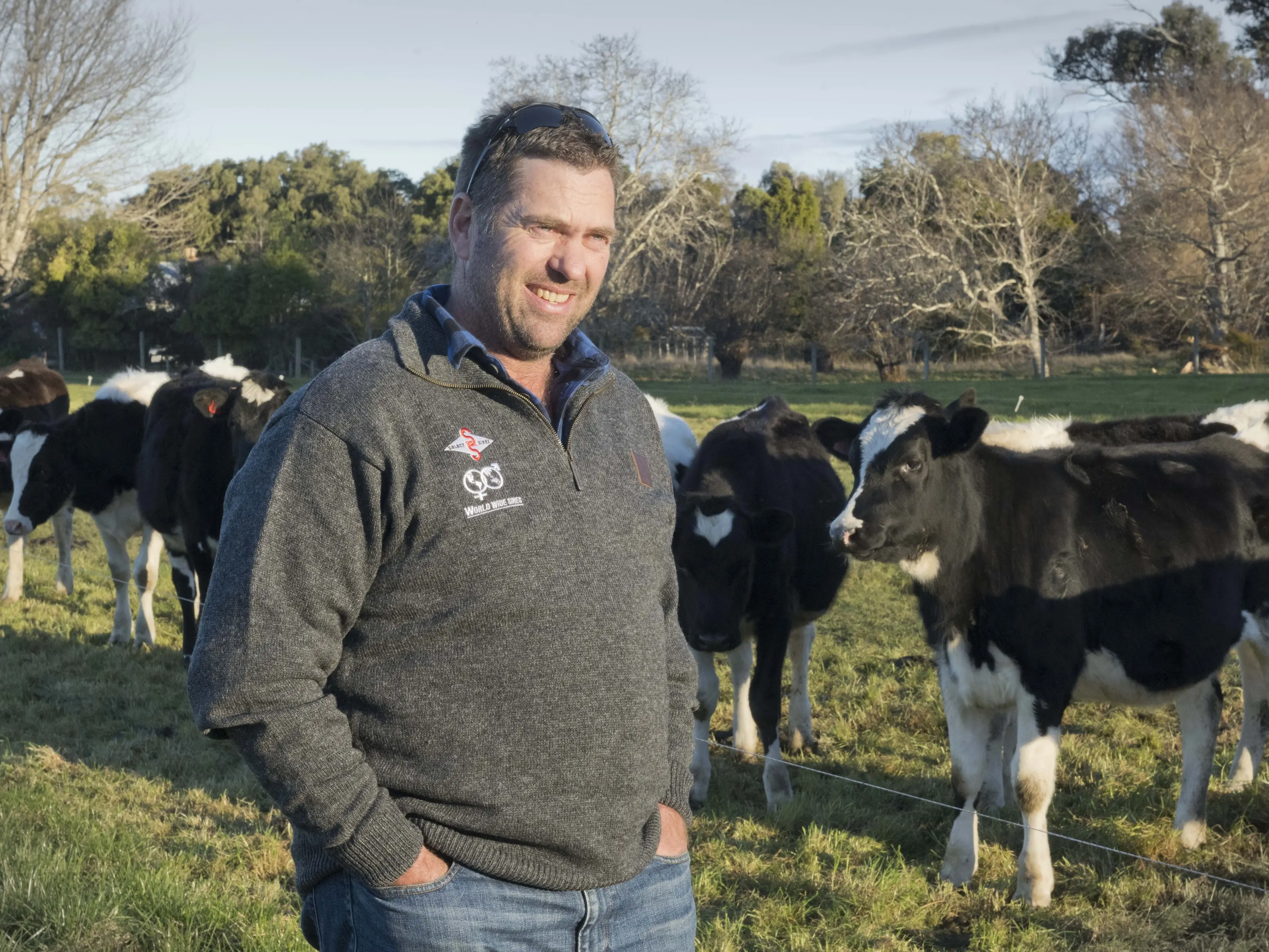
Dairy farmers Cameron and Anna Edgecombe, in partnership with her parents Gerald and Karen Holmes, bought former deer farm Black Forest Park in Woodside in May last year.
The 105ha farm now supports their nearby 50:50 sharemilking operation, Maungatua Dairies.
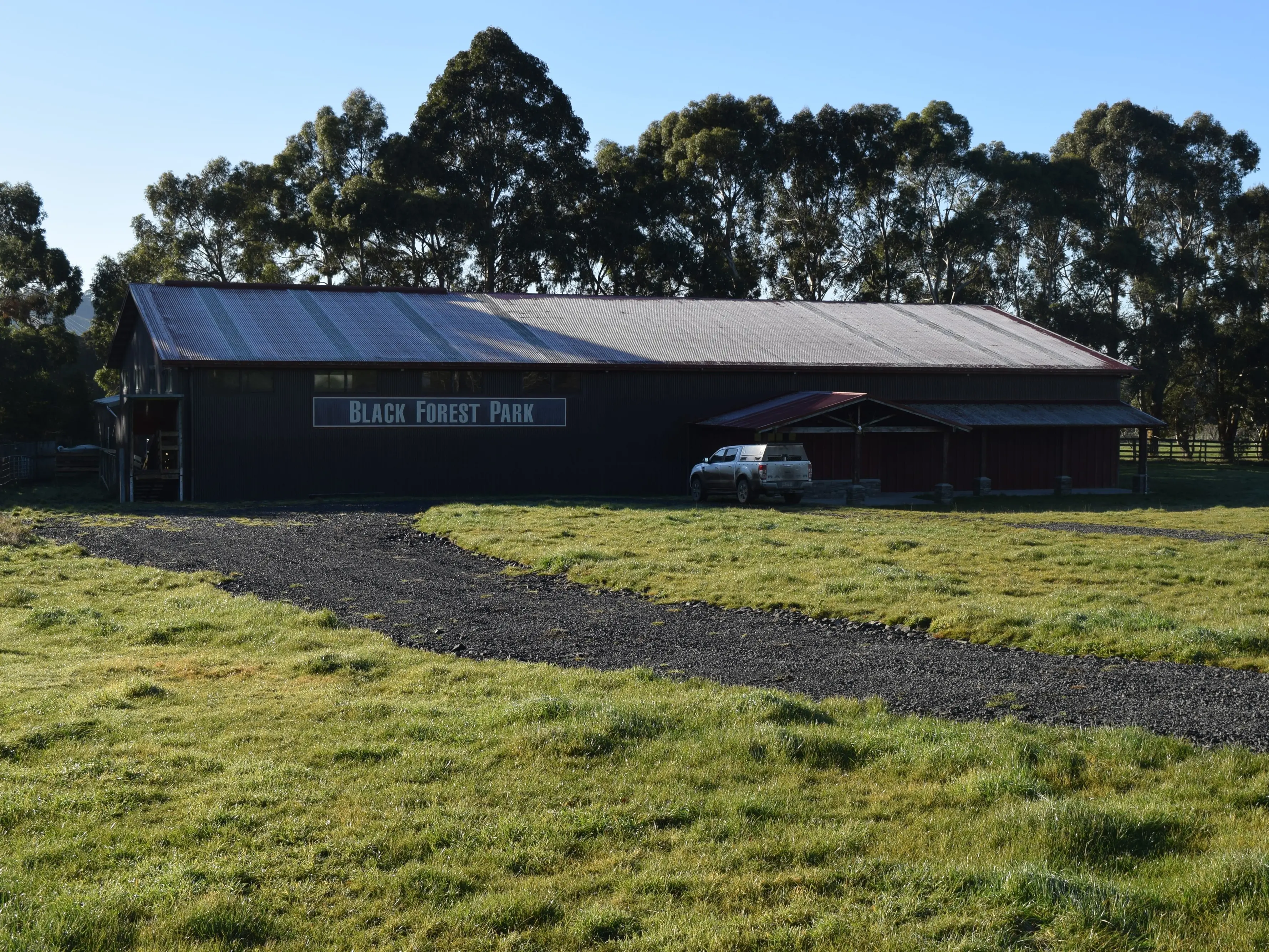
On the farm stands a large complex, built in 2003 to sell red deer.
The complex was now a donor centre for a dairy cattle embryo transplant business.
"It is an amazing shed."
The shed’s more than 20 interior pens, once used to display deer at auction, would now house heifers during the embryo flushing procedure.
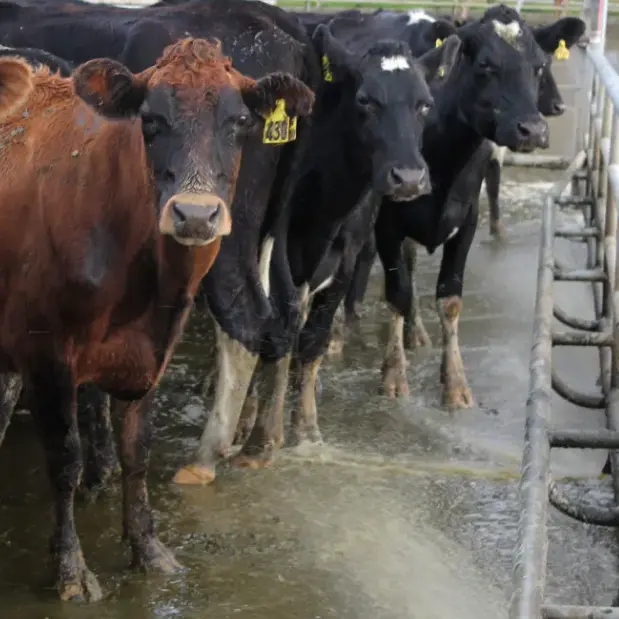
Southern yearling heifers began arriving to the centre from last month.
The heifers were selected because they had superior genetics.
"They are the best of the best."
Embryo flushing was expected to begin next month.
Flushing would be completed by staff from Reproduction Specialty Group New Zealand (RSG), a Hamilton based company, which leased the shed.
Mr Edgecombe said a major driver for opening the donor centre was to provide southern dairy farmers a cheaper way to get embryos harvested from their heifers.
Before the centre was opened, a breeding services team had to visit individual farms to do the work or heifers had to make a return trip to Hamilton.
Being able to get many heifers from different southern dairy farm to the centre reduced the cost per animal to access the service, compared to team members visiting individual farms, which could be cost prohibitive for farmers, Mr Edgecombe said.
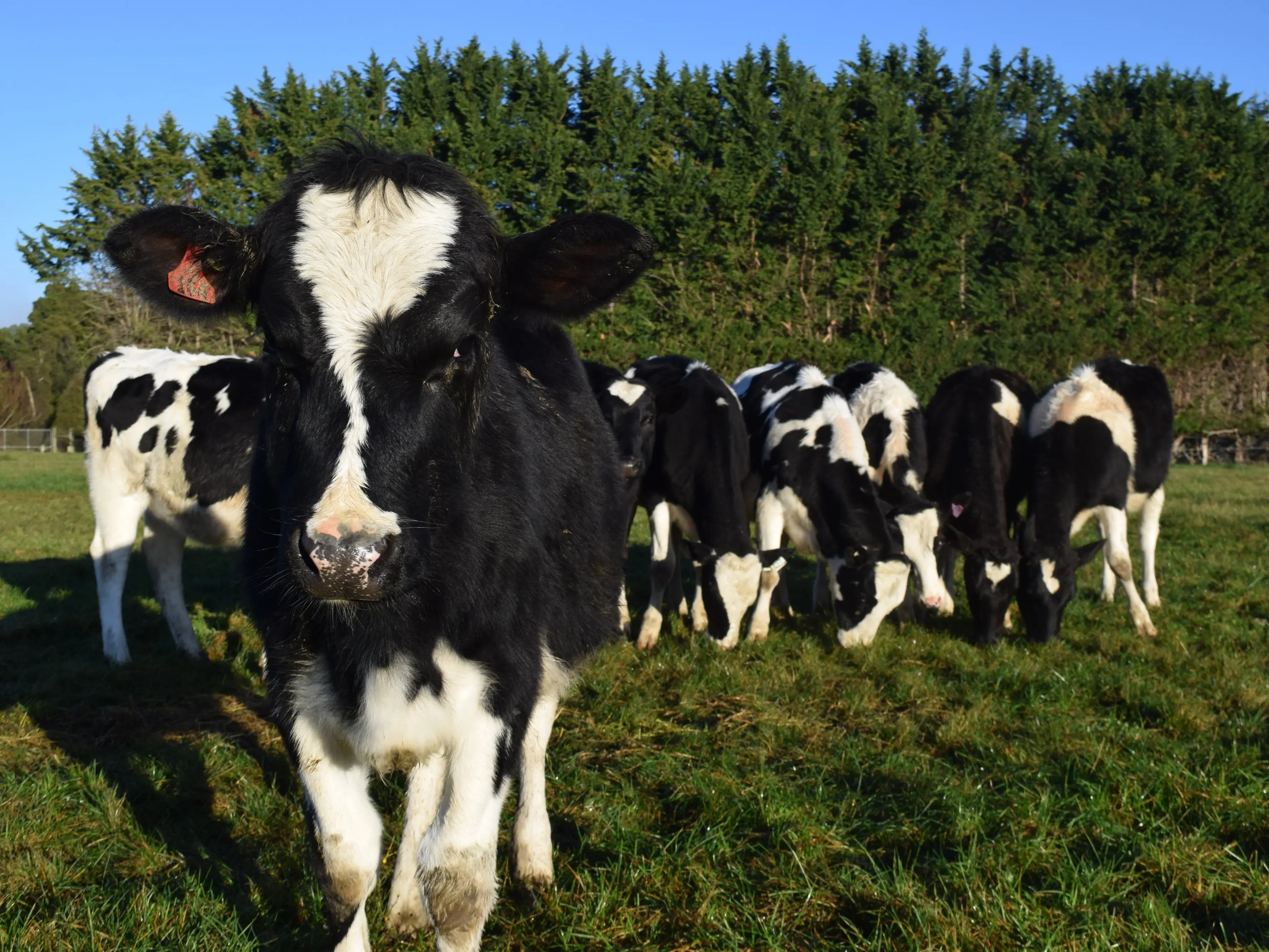
The centre aims to allow dairy farmers to increase genetic gain in their herd at a cheaper cost by providing economies of scale.
In the centre, an ultrasound is used in the process to harvest oocytes, unfertilised eggs, from the ovaries.
The oocytes are put in an incubator and flown to a lab in Hamilton.
In Hamilton, the oocytes are fertilised.
Fertilised eggs remain fresh, or are frozen, and returned to their respective southern farms so they can be attached to a cycling cow’s uterus wall at mating time.
"You are multiplying those top-end genetics by putting them in less desirable animals, which you want to milk from but don’t want their genetics," Mr Edgecombe said.
The Edgecombes host the heifers at Black Forest Park on behalf of RSG.
Hosting duties included feeding the heifers grass and baleage and bringing them to the centre when required.
"These are people’s pride and joy so we will keep them fed and give them daily checks."
The centre had no milking facility so the focus was on yearling heifers, rather than in-milk cows.
He said he would utilise the service and get embryos flushed from his best heifers.
More than 600 cows on Maungatua Dairies produced a record 399,600kg of milksolids last season.
The target was to produce more than 400,000kg of milksolids this season.
"We’d like to crack the 400."
A motivation for leasing the shed and hosting the heifers was to benefit the industry.
"I’m passionate about the dairy industry, especially genetics."
RSG interim general manager Julie Premo spends half of the year living in the United States and the other half in New Zealand.

The centre at Black Forest Park would allow South Island dairy farmers greater access to "world-class" reproductive technology, she said.
The heifers’ arrival to the centre, from dairy farms between Invercargill and Christchurch, was exciting.
An average stay for a heifer at Black Forest Park was about six weeks.
The centre’s location near Dunedin Airport provided easy access for the RSG breeding services team, including an embryologist and reproduction technician.
"Being near the airport allows us to perform procedures at the donor centre and get those oocytes on a plane back to us in the North Island, so we can start working the magic in the lab."
The facility would make it cheaper for South Island dairy farmers to get embryos flushed from their herds.
"More animals will be able to benefit from the programme."
RSG was thankful for being able to partner with the Edgecombes, who had "top-notch" animal husbandry skills and were passionate about advancing the dairy industry in the South Island.