PHOTO
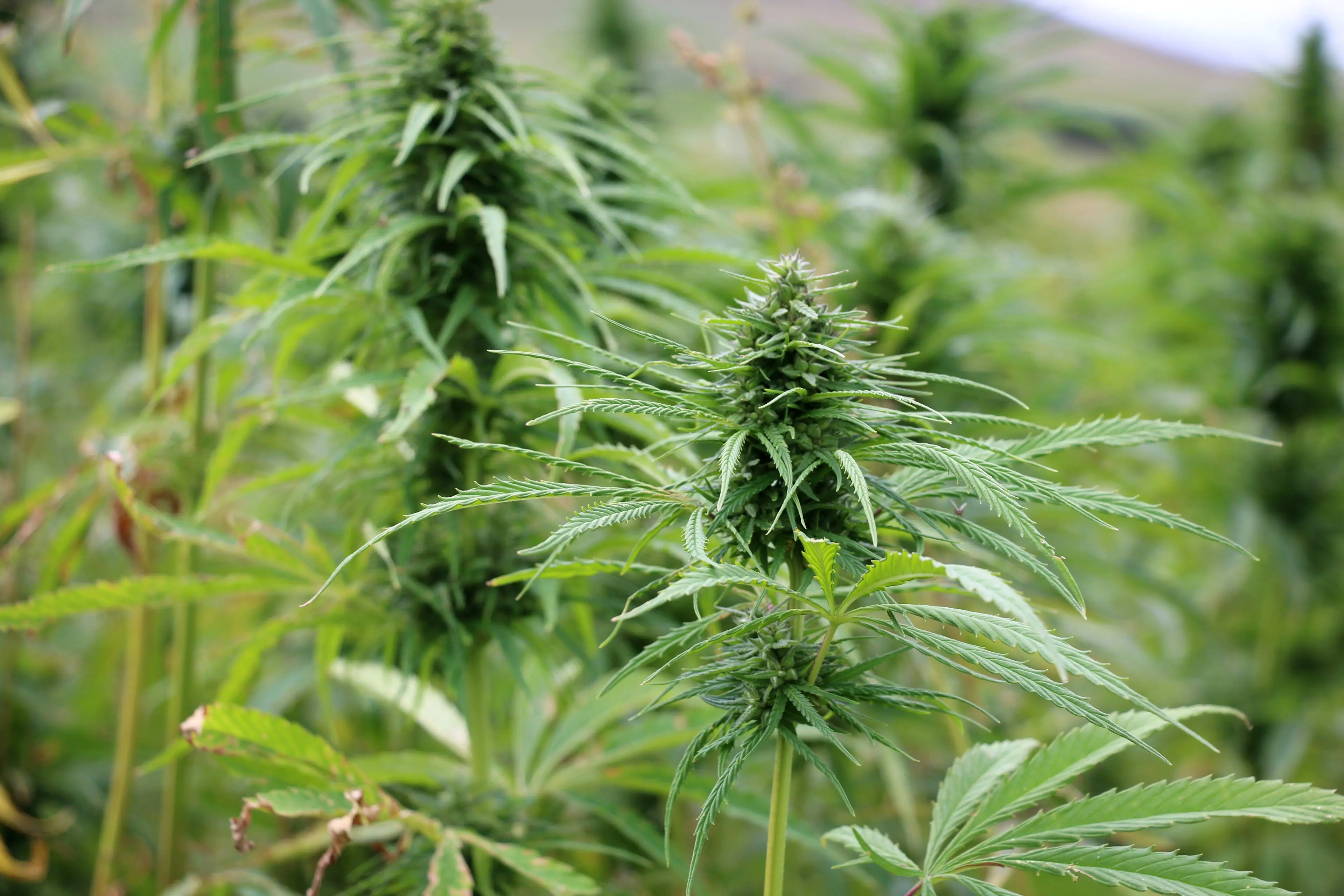
New Zealanders might start seeing what looks like illegal cannabis growing more in people's backyards or lifestyle blocks, as the industrial hemp industry expands access to seeds for aspiring growers.
All cannabis sativa plants were controlled drugs in New Zealand, but from May, rules around growing hemp plants with low tetrahydrocannabinol (THC) levels - the main psychoactive compound altering users' perception - eased.
Growers no longer needed a licence to grow low-THC hemp in Aotearoa, though they were required to notify Police and the Ministry for Primary Industries before planting.
It was part of a suite of changes from a regulation review lead by the Minister for Regulation David Seymour, announced in Ashburton in December.
Now, the industrial hemp sector wants smaller, non-commercial growers to give the crop a go to drive innovation and demand within New Zealand.
New Zealand Hemp Industries Association chief executive, Richard Barge said the group's project was about growing the industry, in terms of people's understanding of the plant and its possibilities.
"This opportunity is where innovation can really happen in that cottage industry or at home," he said.
"People can now use the hemp that they grow and use that to make products and develop new technology to process or manufacture those products."
A seed farmer from Canterbury was making their European-bred and Aotearoa-acclimatised cultivar Kompolti available for small-scale use domestically, in addition to supplying larger commercial entities.
Barge said growers wanted to help pull the industry forward.
"[The project] is all exciting for the industry because that's going to create conversations around where it can go and what it can be used for."
Hemp globally was used across a wide range of industries, including food, fibre, clothing, as hempcrete in construction, health and wellness, horticulture and more.
However, Barge said some hemp products were commercially restricted in Aotearoa, including using it in animal feed or in natural health products.
"There are still challenges with the value chain. We still face some hurdles that need to be overcome," he said.
"The lack of a natural health [hemp] products is stopping the health and wellness industry really taking off.
"But the more people that are aware of them and pushing towards those markets, then the commercial reality will help support the argument for allowing us to get going."
Richard Barge said the application process was quite a simple process that would also include the plot's location.
"The police will need to know where the crop is going to be grown so they can obviously identify it as a low-THC industrial hemp crop, not an illicit crop.
"And MPI want to be notified so they can let you know that you're not allowed to feed it to animals.
"It's a simple email, then getting the seed and putting it in the ground come October, November."
Licences had to be reapplied for each year, and officials may request a criminal record check too, the NZ Police website said.