PHOTO
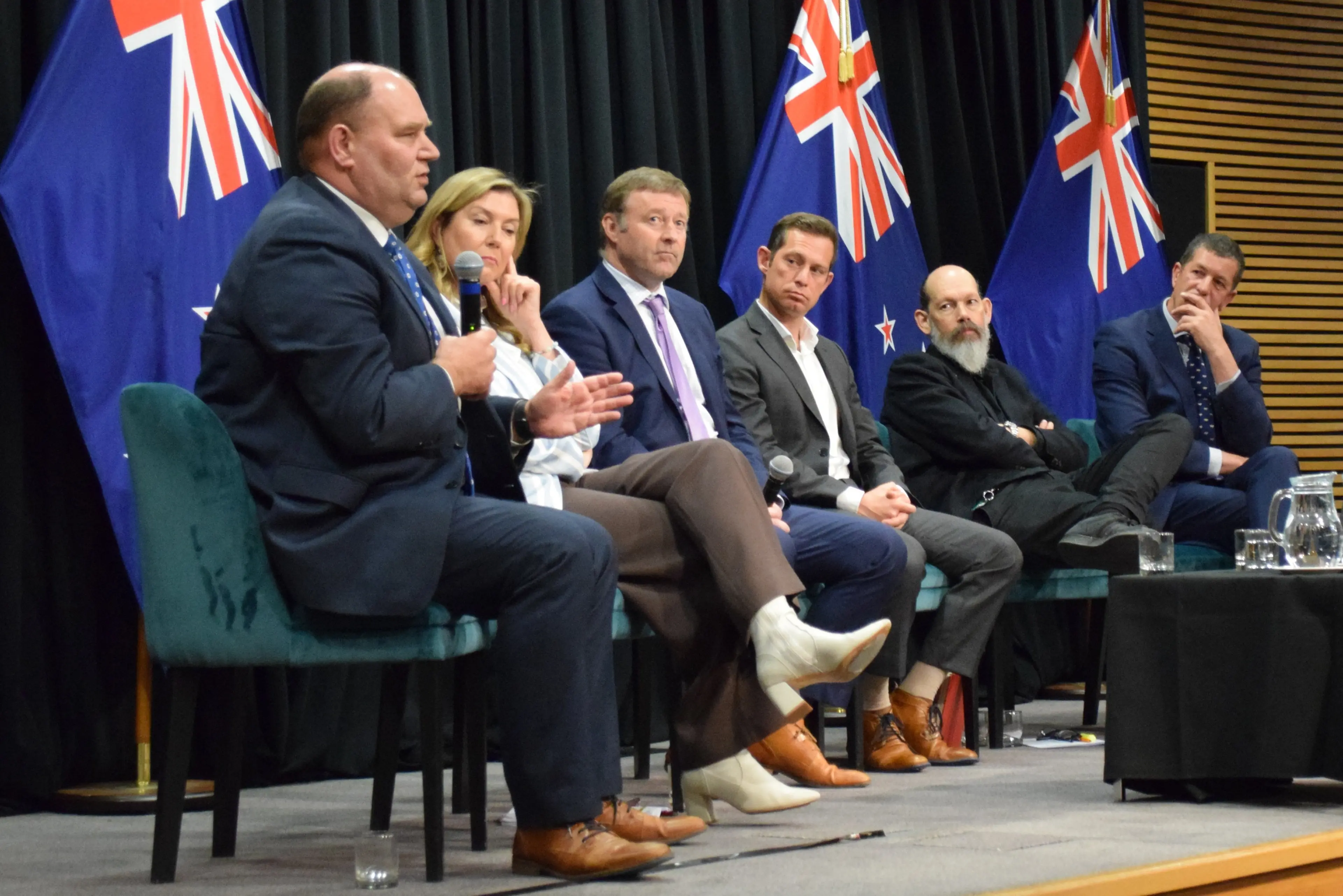
The New Zealand Guild of Agricultural Journalists and Communicators invited agriculture spokespeople from all political parties to take part in a panel discussion in Parliament last week. Southern Rural Life reporter Shawn McAvinue was there and asked panellists three questions.
- Why is voting for your party in the best interests of rural communities in Otago and Southland?
- Should farmers pay for their emissions? If so, how should they pay? If not, why not?
- What is one of your party’s campaign promises that would benefit people working in the primary industries in Otago and Southland and that you would be prepared to die on a hill for?
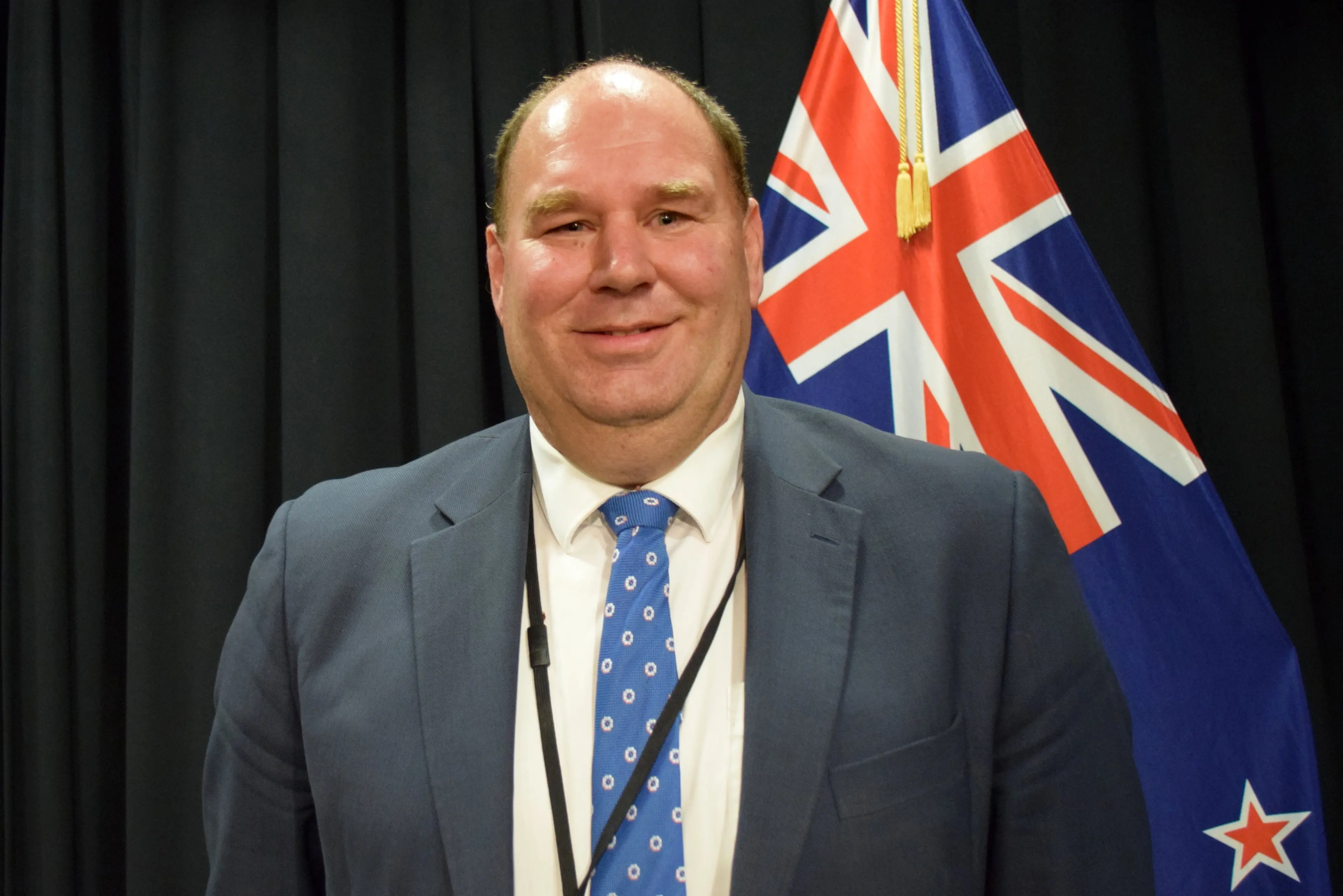
ACT: Andrew Hoggard
1. As a dairy farmer of 20 years, I’ve seen first-hand what happens when governments who don’t understand the rural communities try to regulate every part of it.
ACT backs rural New Zealand because we understand that farmers, growers and rural communities across the country are the backbone of our economy.
We’ve walked the talk for rural communities. We are the only party that has never proposed forcing emissions pricing on farmers and the only ones who voted against the Zero Carbon Act — that’s to name a couple. No other party can say this.
2. No. New Zealand’s farmers are the most emissions-efficient in the world, yet they are treated like climate villains and punished by climate targets that ignore the difference between methane from livestock and carbon from fossil fuels.
ACT will permanently keep agriculture out of the Emissions Trading Scheme. Taxing the world’s most emissions-efficient farmers won’t change the climate. It will just make food more expensive and push production into less efficient countries.
3. The single most important promise ACT will make — benefiting not just Otago and Southland farmers, but the entire country — is to ensure that all guidance and direction for the new resource management system is practical, based on local context, respects property rights and doesn’t contain vague spiritual concepts.
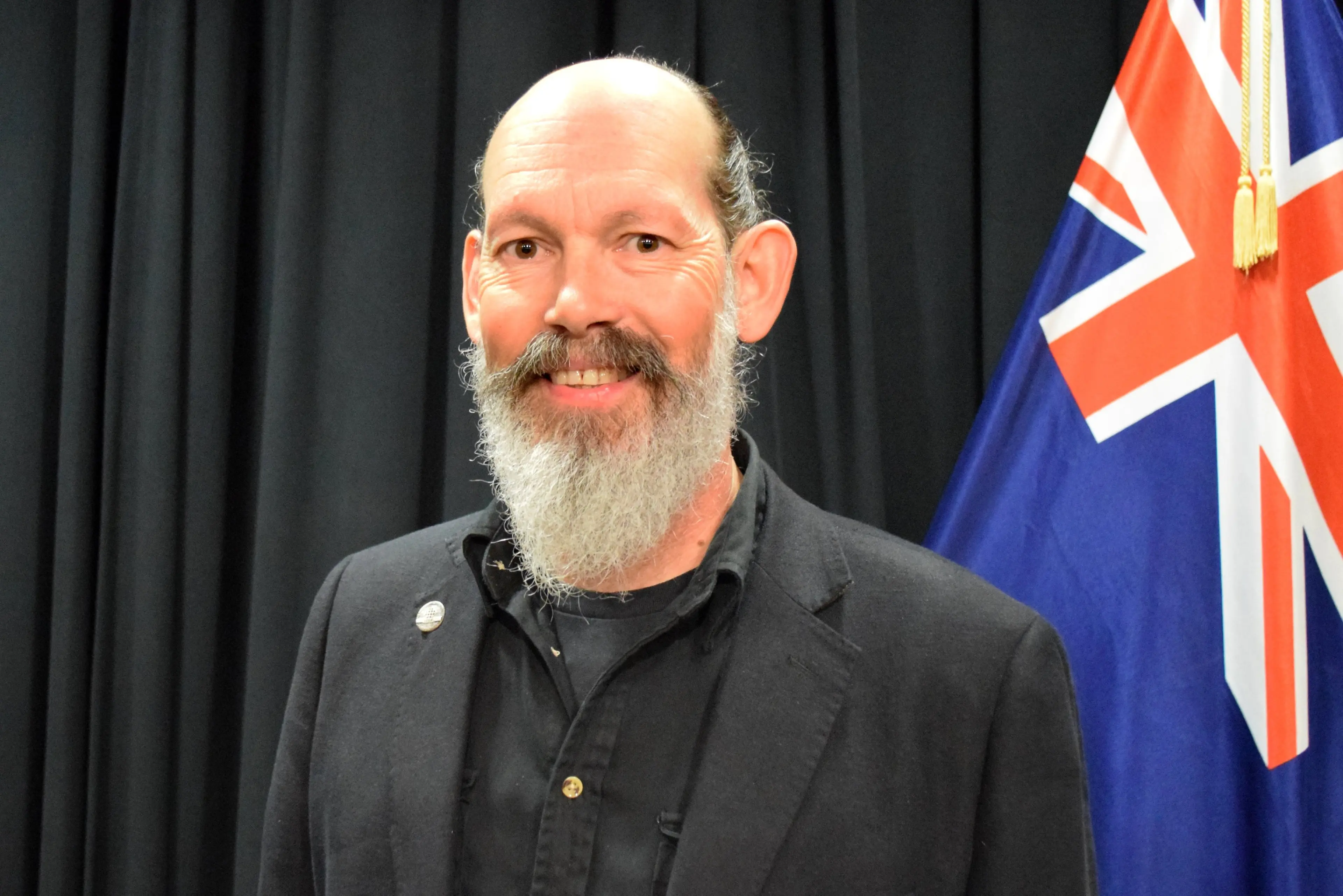
Green: Steve Abel
1. The Green Party wants to ensure that everyone can afford to live a good life, access healthy nature, and be able to drink, swim and fish from our waterways. Right now, people are struggling with the cost of living, and major increases in their power bills. Our “power for all of us” policy will make a real difference to rural communities including across Otago and Southland.
Our energy policy will make it easier to install solar power and have better feed-in rates for pricing solar. We also want to introduce zero-interest loans through the ratepayer assistance scheme, open to any rateable property, for solar, batteries and energy efficient upgrades. We’ll also invest in community-led energy projects, including small scale wind, solar and geothermal which will be a major benefit to rural communities. We to see longer-term reform for distribution pricing.
2. We think agricultural processors should be brought into the Emissions Trading Scheme, in a separate bucket, with the lowest price possible to result in the emissions reductions needed to meet our methane targets.
The bulk of methane reductions we want to see in agriculture are not from pricing but from land use change, technology, catchment appropriate stocking rates, and reducing synthetic nitrogen fertiliser use for dairy down to 125kgs per hectare. We want pricing to do the least of the work which is why all revenue from agricultural pricing would be reinvested into on-farm interventions to support more sustainable practices while protecting rural livelihoods and quality of life.
3. Our Drink, Swim, Fish policy is vital for all New Zealanders including those in Otago and Southland.
Right now, thousands of rural New Zealanders are exposed to hazardous levels of nitrate and other contaminants in their drinking water. Our Drink, Swim, Fish policy will ensure that we strengthen rules for wastewater discharge to ensure our rivers and lakes are clean. We’ll also set strong, science-based national standards for freshwater so we can protect the health of our communities. Our plans to lower the cap on synthetic nitrogen fertiliser for dairy and reduce stocking rates on a catchment basis will improve the health of our waterways and water quality.
Having healthy waterways is key to good lives for rural New Zealanders including those working in our primary industries.
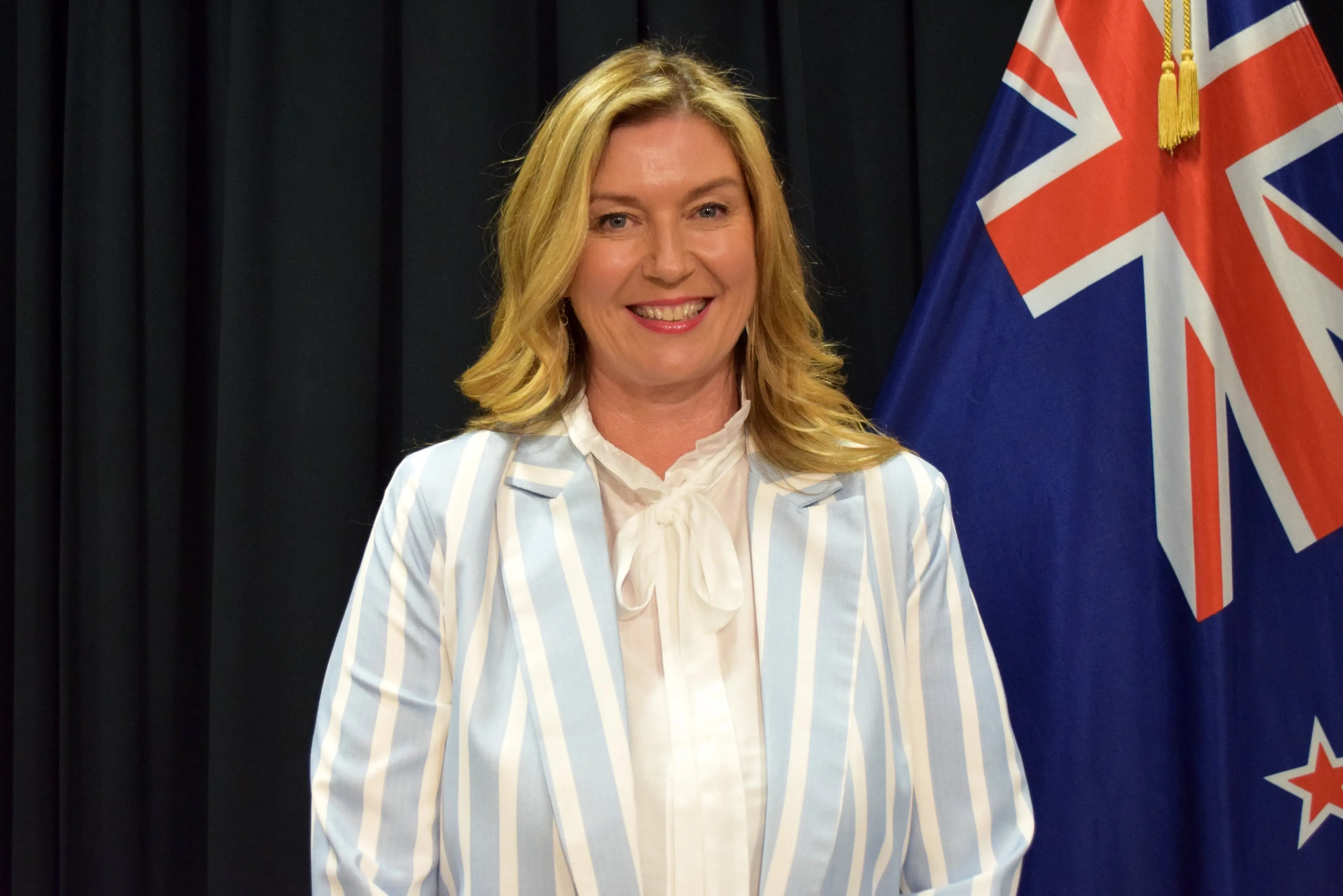
Labour: Jo Luxton
1. Our vision is of a thriving primary sector at the heart of strong rural communities, creating good jobs and opportunities for generations to come.
We will achieve this with practical policies that give the rural sector the confidence and certainty to plan for the future. Our review of the Emissions Trading Scheme, as well as initiatives such as Solar Saver, Apprenticeship Boost, and support for small businesses, shows the direction we’re taking. These are policies that will help farmers invest with confidence, and help with the cost of living.
2. We recently announced that a Labour government will review the ETS because it’s broken and doesn’t make a meaningful contribution to meeting our climate targets. We will not be including agriculture in the ETS, but helping farmers to reduce their emissions through other methods. Our focus is on working with farmers to accelerate the uptake of new technologies, improve on-farm practices, and support practical emissions reductions that maintain long-term resilience and competitiveness of our primary industries.
3. Real action on the cost of living. For farmers and growers across Otago and Southland, the cost-of-living crisis is also a cost-of-farming crisis. Rising costs, energy insecurity, biosecurity risks and extreme weather are all putting pressure on farming businesses and our rural communities. We need to ease those pressures and give farmers the certainty they need to build resilient businesses and create a better future for regional New Zealand. One simple example is our Solar Saver policy, which helps with the upfront cost of installing solar panels and batteries.
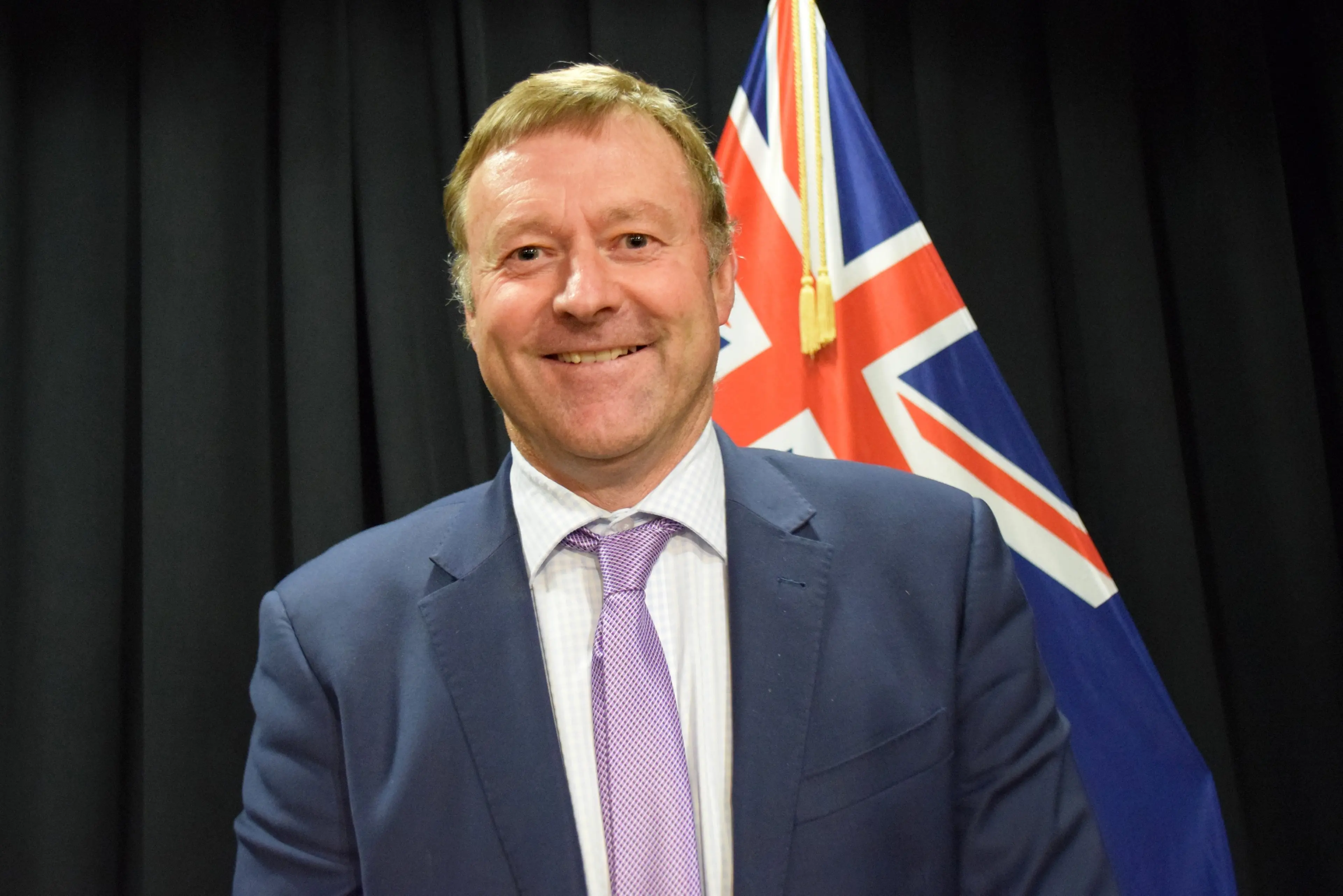
New Zealand First: Mark Patterson
1. NZ First has always had a strong rural focus. We implicitly understand that it is rural New Zealand where this country’s wealth is created.
Given the opportunity to be in government we have always used our political leverage to get funding into regional development with examples this term being the Regional Infrastructure Fund investments into the likes of multiple flood protection schemes, funding for the rebuild of Falls Dam or logistics developments like the Mosgiel Inland Port and Gore Business Park. Regional development will be again a top priority for us going into this election campaign.
We are staunch advocates for the primary sector, whether that be reversing unworkable regulation on farmers, championing maligned industries like mining, fishing and wool or standing up against those that do not fully understand the realities of living and making a living in rural New Zealand.
We will also be bringing a policy platform that recognises that government services are often harder to access in rural New Zealand in things like healthcare. That rural connectivity access is still not equitable and that key infrastructure like rural bridges are badly in need of extra funding.
2. No, farmers should not pay for emissions. We have been part of a government that has kept agriculture out of the Emissions Trading Scheme. The Paris Accord itself stipulates that food production should not be compromised.
We would go a step further and will campaign on pulling New Zealand out of the Paris Accord. We see it as ridiculous that sheep and cattle in New Zealand are somehow seen as impacting climate when vast swaths of emissions are coming from just 4 industrialised countries, China, United States, India and Russia. With just 0.17% of global emissions there is little impact we can have on global temperatures.
We will have no part in sending billions of dollars offshore to mitigate our tiny emissions profile.
3. At a local level, Telford — NZ First has steadfastly advocated for keeping New Zealand’s last large scale residential agricultural training facility operating. Within those gates generations of farming graduates have learnt valuable vocational skills, critical for our sector. It was with great honour and relief, I stood beside Penny Simmonds at the recent sod-turning ceremony for redevelopment of the Telford Campus. It’s been a torturous eight years getting Telford back on an even keel. The $2.4m redevelopment comes alongside $1.7m annually for two years to underwrite the Southern Institute of Technology training courses to get Telford back on its feet.
The students are returning (including international students) and the farm board is regaining the farm back from the liquidators. The recovery is happening but New Zealand First and I, are determined that this is an institution that is so important for Otago and Southland and for New Zealand Agriculture in general that it must be protected. That’s the hill I would definitely die on…I nearly have twice already!
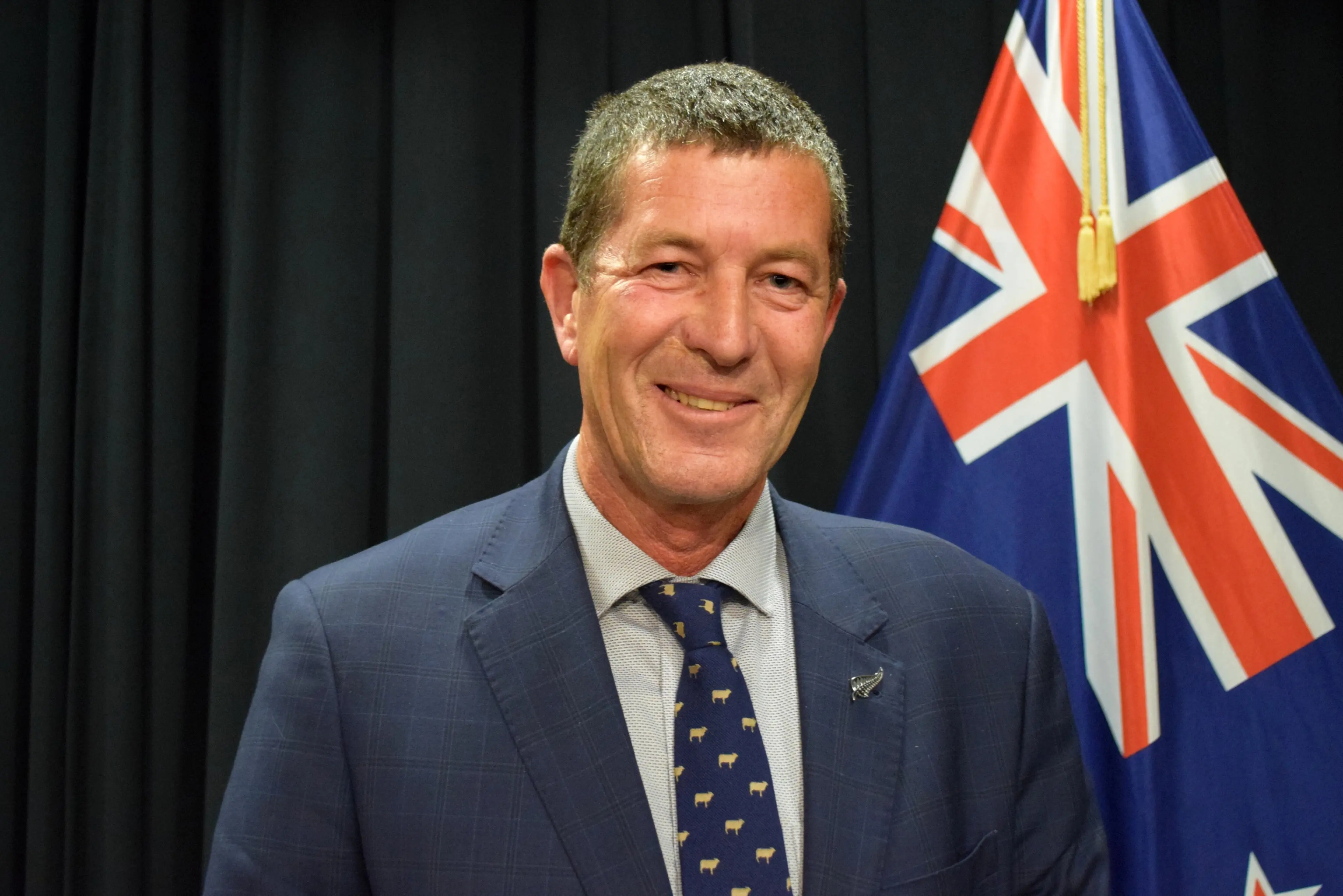
National: Mike Butterick
1. The National Party recognises that farmers, growers and everybody across the primary sector are the most important part of our economy. They are responsible for 360,000 jobs and $65 billion worth of exports.
It’s simple. When rural New Zealanders are doing well, every single part of New Zealand does well.
National backs our farmers. Over the past three years we’ve worked hard to deliver on our promises. We’ve ended the war on farming, reduced compliance costs, replaced the RMA, and restored common sense to regulations.
We’ve opened new export markets, including a once-in-a-generation free trade agreement with India, cutting or eliminating tariffs on 95% of our exports. We are building a future where agriculture remains the engine room of the economy.
Farmers don’t need more bureaucracy. They need confidence and certainty.
We want to continue working hard so New Zealand can make more and export more.
The future of New Zealand’s economy will be built on more exports, more innovation, and more trust in the people who feed the world.
That’s why National backs rural communities. When our farmers, growers, and primary sector succeed, New Zealand succeeds.
2. We don’t support taxing farmers for their emissions. New Zealand farmers are already among the world’s most efficient producers. Another tax would push up costs, hurt production and risk sending jobs and food production offshore to less efficient countries.
Farmers are part of the solution, not the problem. We’re backing farmers on the ground to cut agricultural emissions without undermining productivity or profitability. That means practical tools, better science and technology that works on farm.
That is why we set science-based methane targets and are investing more than $400 million with industry to speed up the development and roll out of methane cutting tools.
Through AgriZeroNZ and the Early Adoption Accelerator, we are helping farmers access proven emissions reduction technology earlier, including tools like EcoPond, which can cut methane from dairy effluent ponds by over 90%.
New Zealand’s opportunity is to stay the world’s trusted, most efficient food producer, not to tax our farmers out of business. We can reduce emissions, keep farmers profitable, grow exports and make sure rural communities thrive.
3. National has committed to no new taxes.
We made this promise because National believes New Zealand should be a country where, if you work hard, you can get ahead. That means keeping taxes low so you can keep more of what you earn.
We delivered tax relief for the first time in 14 years and repealed Labour’s ute tax, reducing costs for farmers and growers.
This commitment reflects our strong economic management, focused on growing the economy through disciplined spending, getting debt under control, creating jobs, lifting wages and keeping taxes low. It is part of our plan to fix the basics and build the future.
We will release our primary sector policies closer to the election.
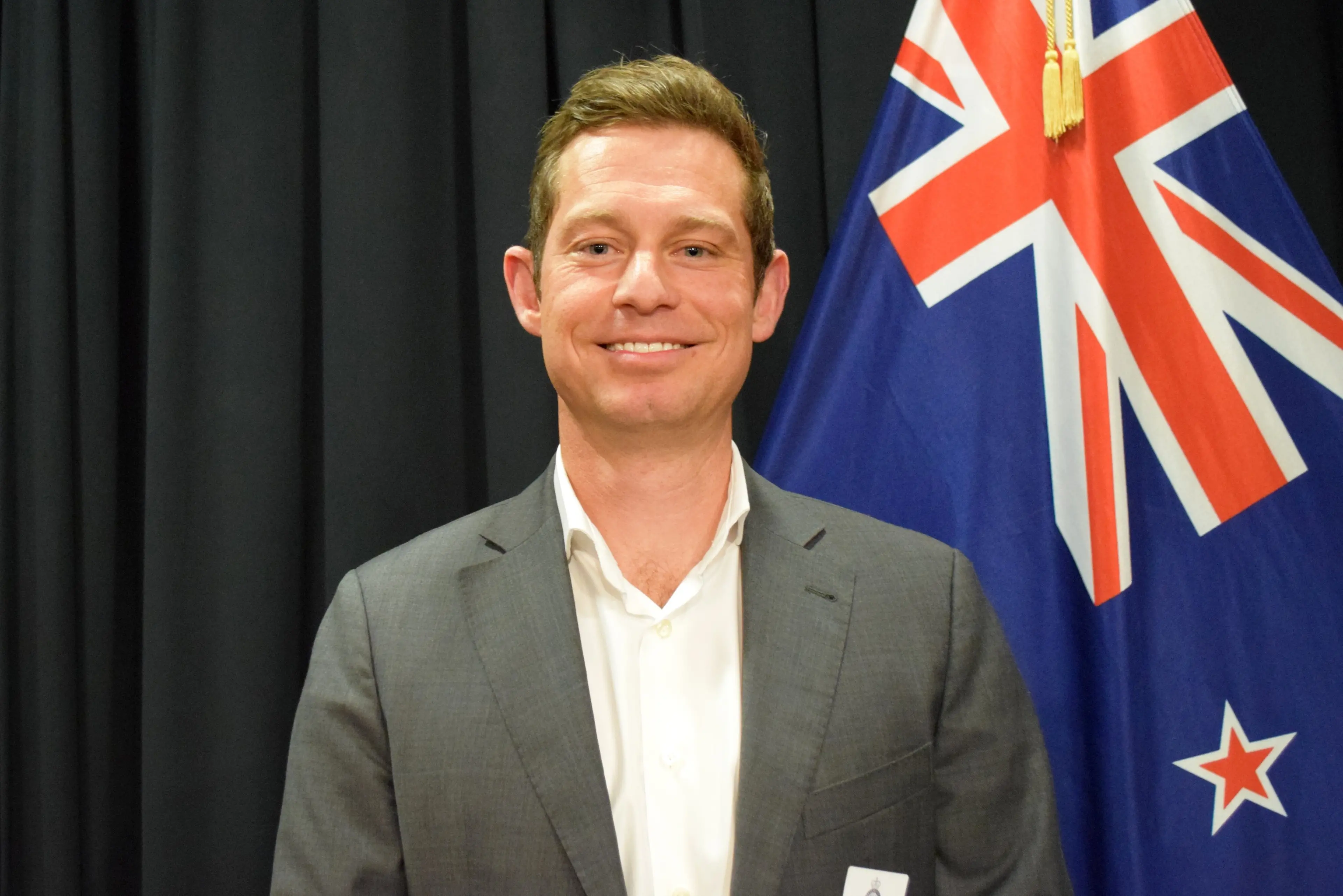
Opportunity: Daniel Eb
1. We believe that New Zealand farmers can lead a global transition to modern, nature-positive food and fibre production — in many respects they already do.
We have three main focusses to support farmers to develop more diversified, high-value and nature-positive businesses — uplift innovation, build markets over regulation and support small business growth.
Core to our Breakthrough Economy policy is a generational reinvestment in our science, research and technology sectors — including the new Bioeconomy Sciences Institute and our regional polytechnics, which are both key sources of agricultural innovation in NZ.
We believe that well-designed markets can deliver better environmental outcomes than regulation — and generate significant innovation in the process that can be monetised and exported to a world grappling with the same challenges.
Lastly, we’ll back small farming businesses with greater access to financial and accounting advice, and rollout a 25% technology investment tax credit to enable farmers to take their business to the next level.
2. We prefer to build markets designed to achieve environmental outcomes, as opposed to regulating to get results. Increasingly, leading farmers are becoming open to market mechanisms to price externalities like emissions, as the science of on-farm sequestration possibilities becomes clearer and the likelihood of generating profit through innovative technology and practices in fair, well-designed markets increases.
We often point to the success of the Lake Taupō farming community’s nitrogen cap & trade system as an example of this approach in practice. That community created its own market to protect the quality of the lake they share, and the results were impressive.
We will explore market-based solutions for biodiversity, carbon, biogenic methane and nitrous oxide — launching these only when the technology and on-farm practices are sufficiently in place for farmers to compete fairly and profitably in these markets. In addition, we’ll support nature-based technology innovation hubs and farmer-to-farmer networks who are implementing nature-positive farming practices on the land.
3. Opportunity will release our election bottom lines in the coming weeks.
shawn.mcavinue@alliedmedia.co.nz