PHOTO
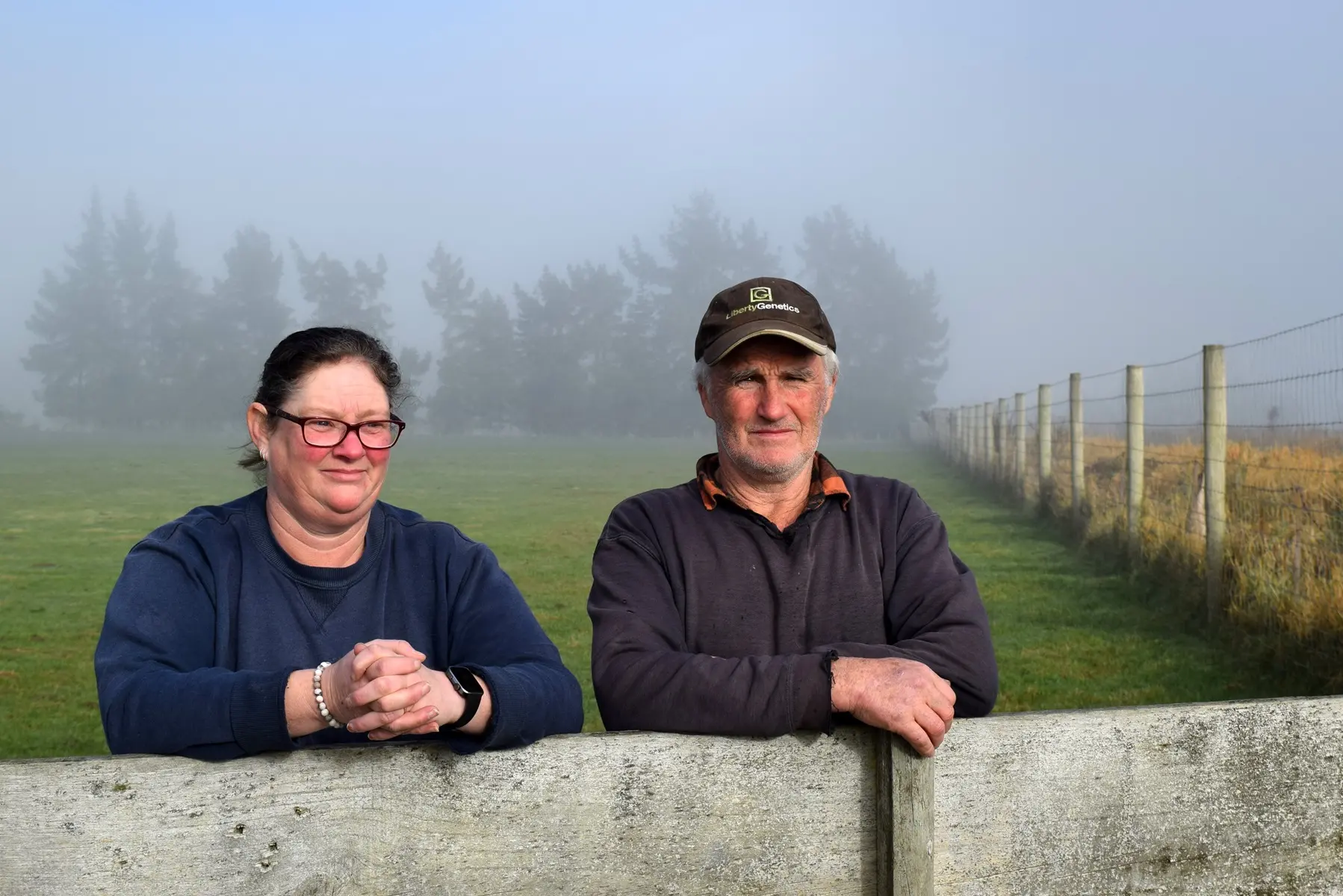
Rabbits continue to thrive despite a continual effort to control them, a Waihola dairy farmer says.
"They keep coming back at us," Nigel Hallis said, looking at scores of rabbits in one of his paddocks.
"We are trying our best but we are running out of options."
Mr Hallis and Corina Boyd milk about 280 cows on their 132ha property bordering State Highway 1, near Lake Waihola, south of Dunedin.
Mrs Boyd said they bought the dairy farm in 2022, after selling their sheep and beef farm in Henley to a forestry company. When they bought the dairy farm, fewer rabbits were on the land.
"It is a real hot spot," Mr Hillis said.
"It is a huge problem now," Mrs Boyd said.
Rabbits had a negative financial impact on their dairy business. The cost includes eating pasture or soiling it, making it unpalatable for cows.
Rabbit burrows create mounds and made driving a tractor to mow a paddock a bumpy undertaking.
A lot of the rabbits enter the farm from SH1 or the 4km of railway track running through the middle of the farm.
To try to control the rabbit population, they were part of a local group of property owners buying carrots to cut and lace with Pindone poison to spread on their respective farms.

He had obtained a permit to handle the poison, and carrots had been spread for the past three winters.
A challenge with the poisoning was it being most effective when there was minimal pasture available for the rabbits to eat, which shifted their focus to the bait.
Ideally, more pasture could be retained for the herd to eat in early spring, rather than getting the herd off it to improve rabbit control, Mrs Boyd said.
"We are between a rock and a hard place."
Only stupid rabbits ate a poison carrot when pasture was available, she said.
"They have become bait shy."
Rabbit hunters with guns were regularly deployed. A group of 15 hunters killed 1400 rabbits in the area in a weekend about two years ago. Hunting was only effective for a short time before rabbits hid in burrows, Mr Hillis said.
"The rabbits get crafty and can smell the gunpowder."
A new control method to add their plan was to spend a share of Otago Regional Council funding on rabbit-proof fencing.
They were in a group with two other neighbouring property owners, who both run sheep, who were part of the "Waihola highway community rabbit project".
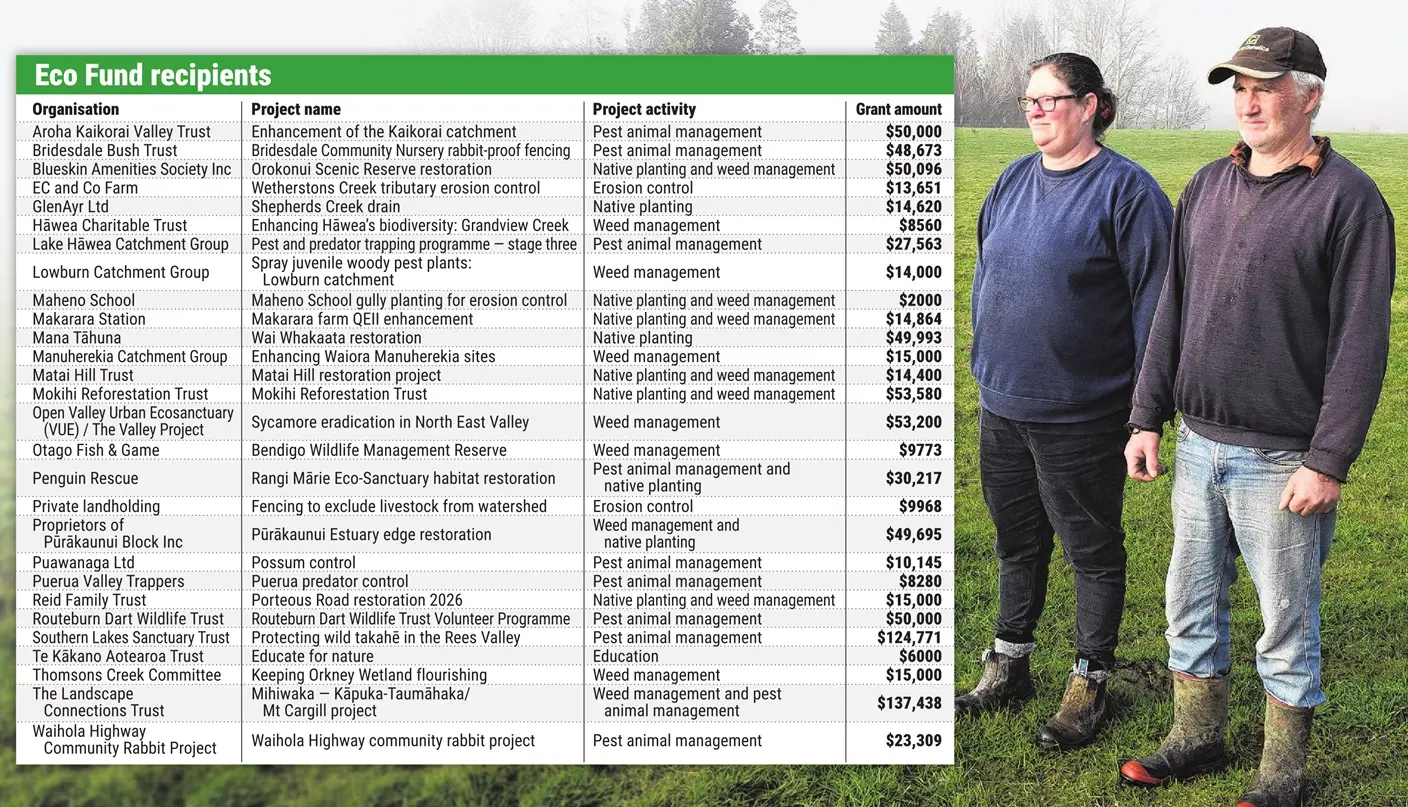
The group was given $23,309 from the council’s latest Eco Fund round. Some of the money would be used to retrofit rabbit-proof netting on the fence bordering the train tracks.
They would do the work themselves to save money so more of their share of the funding could be spent on materials. The materials would not be enough to rabbit-proof all of the fences on the dairy farm.
"We will fence the railway line off for a start and see if it makes a difference," Mr Hillis said.
KiwiRail had no obligation to pay for any of the cost of the fencing, but it did help poison the rabbits, Mr Hillis said. About four years ago, KiwiRail scattered laced carrot on the rocky area near the tracks but rabbits ignored it.
"They like sitting there, but they don’t eat there.
"We killed bugger all; it didn’t work."
Consequently, the past three years, a section of a paddock on the dairy farm, 6m out from the fence nearest the railway line, was grazed and mown to remove pasture. Then laced carrot was scattered on the area.
Pasture had been growing well in June so rabbits had plenty to eat and were fat and consequently required a good dose of poison to kill.
Poisoning was killing some rabbits, but a more effective control method was needed, Mr Hillis said.
"We don’t seem to be getting anywhere. We are poisoning everywhere, shooting and we never get the last rabbit and they are back again."
Regional councillor Chanel Gardner said 28 community-led environmental projects across Otago received a share of $919,800 through the latest round of the fund. Projects include biodiversity restoration, predator control, wetland and catchment restoration, erosion management, weed removal, native planting and environmental education.
The funding recognises the significant work being undertaken by communities across Otago.
"The strength of this year’s applications reflects the commitment of communities across Otago to improving their local environment.
"Every dollar in the Eco Fund comes from ratepayers, so our responsibility is to ensure funding is allocated to projects that are well planned, deliver measurable environmental outcomes and provide lasting value for the wider community."