PHOTO
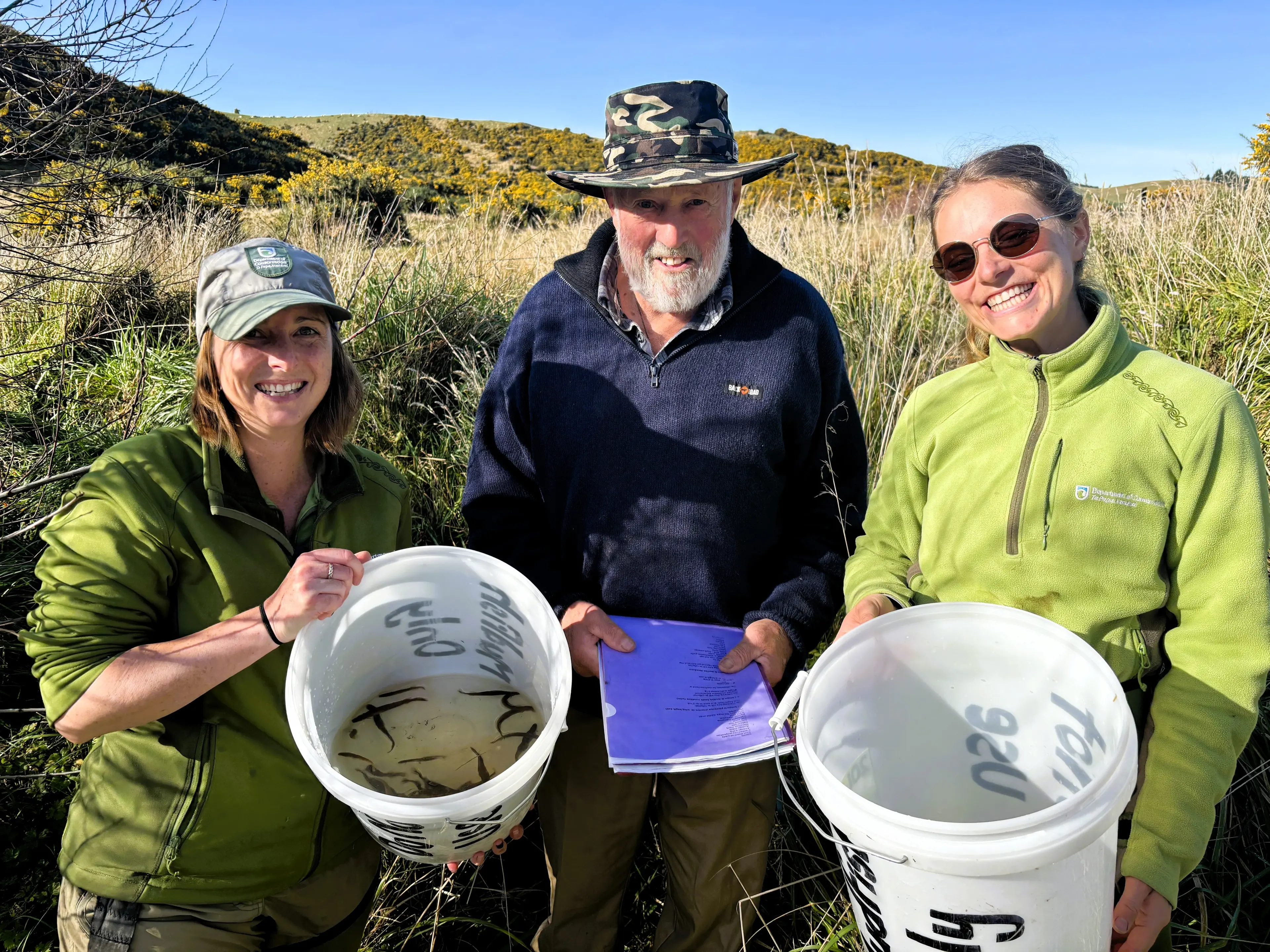
A massive mudfish discovered on Glentunnel farmer Bill Dean’s land has conservationists more hopeful of their survival.
The mudfish, a species teetering on the brink of extinction, was found at Blacks Stream on a sheep farm leased out for mainly dairy grazing.
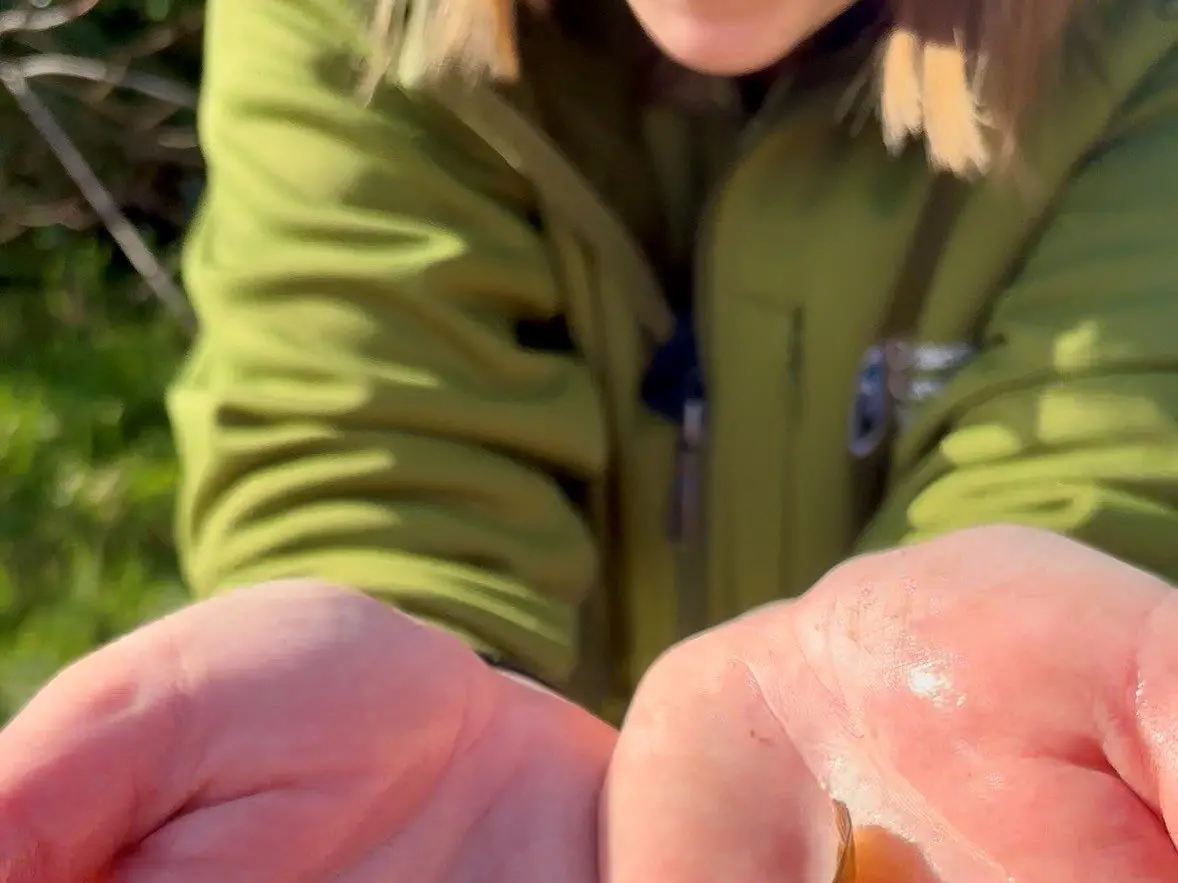
Weighing 21 grams, the kōwaro find is not large in the fish world, but huge for a mudfish.
Canterbury mudfish are the most threatened of New Zealand’s mudfish species and the second-rarest native fish after the lowland longjaw galaxias.
The big little fish was among two large examples found during a Department of Conservation survey at habitat sites on the Canterbury Plains.
During a month-long survey, ranger Allanah Purdie discovered another 29 mudfish at Brian Thompson’s neighbouring farm, but Mr Deans earned bragging rights for biggest catch of the day.
Mr Deans said he was chuffed to find the large specimen.
"It was great [and a] bit of a surprise as I was expecting 20 or so small ones and not one huge one."
He shared photographs of the mudfish with the family, who were equally enthralled.
"I really admire the way the Canterbury mudfish adapt to being out of water for periods of time and surviving in the mud, which is where they get their name from. I really like that they’re surviving as there aren’t many left."
The land surrounding Blacks Stream is showing the effects of a dry start to the winter.
A forecasted dry summer might be expected to put its water survival skills to the test, but they are known for their hardiness.
Mr Deans has planted native shrubs and trees around the waterways to help their habitat.
"I’m looking to plant more natives on the farm. I want to also plant natives in the gullies as it makes the bush less fire-prone, which is a good thing. As farmers, it’s a great way to look after the land and helping the native species that live here.”
Mudfish are considered a threatened species at a nationally critical level and are found in limited numbers between the Waitaki and Ashley Rivers.
Ms Purdie said they were stunned to find the fat mudfish, the size of a skinny sausage.
"These mudfish have incredible survival adaptations. They only remain in a limited number of waterways and although they hover on the brink of extinction, they’re still here."
Every two years she visits indicator sites, mostly on private farmland, to get an idea of how the species is faring.
Mudfish were real survivors, able to survive out of water, she said.
"This unique ability helps Canterbury mudfish withstand droughts and gives them the competitive edge needed to avoid extinction in an altered landscape.”
During the survey, fish traps are put out the night before and the ranger returns the next day to count, weigh and measure live mudfish.
She said the 29 mudfish found at one spot were a good variety of sizes, showing they were surviving and breeding each year.
The Canterbury mudfish had faced extinction about 10 years ago with consecutive droughts and the "de-watering" of key waterways, Ms Purdie said.
"Farmers and other agencies have worked hard to help the mudfish recover. The local farmers are key, as many have streams and ponds on their properties."
Their efforts to maintain healthy habitats for the fish was a "game changer" and their ability to keep mudfish on their farms showed they were being good custodians of the land they worked on, she said.
"If we can get these sizes and numbers consistently, I’ll be less worried about the future of Canterbury mudfish."