PHOTO
Wadworths striving to improve their patch
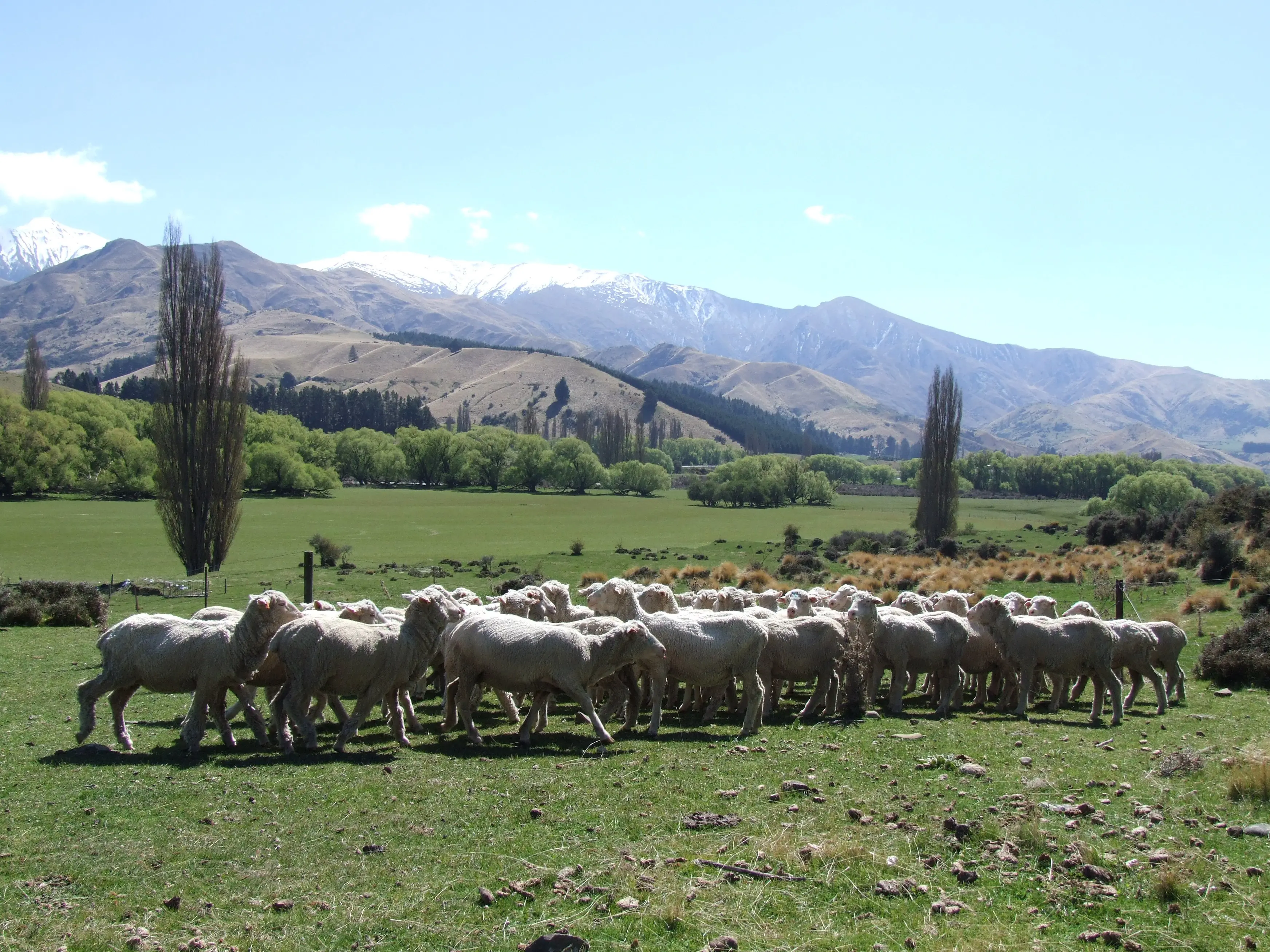
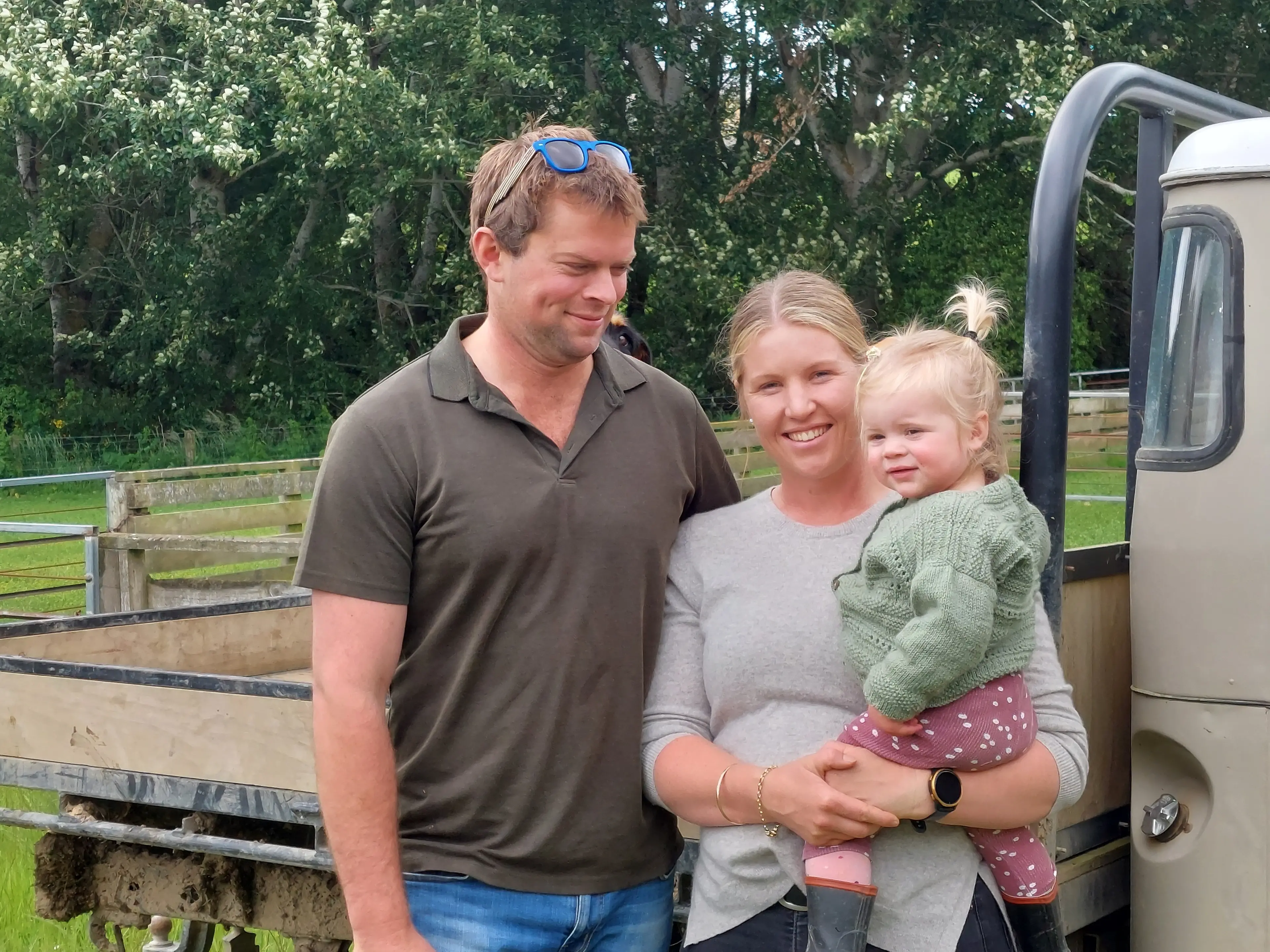
In the rolling hill country of the Otapiri Gorge, Nick and Alexis Wadworth are making a name for themselves as they strive to improve Bare Hill Farming’s efficiency and productivity.
This has resulted in them being heavily involved in their community, catchment and discussion groups, and in trials that test new farming methods.
Bare Hill Farm spans 2000ha and the couple run 7900 sheep and beef stock units alongside a small amount of forestry.
There's been steady change at Bare Hill Farming as the couple strives to improve efficiency and productivity.
They have been transitioning from Romdale to Wiltshire sheep to try and reduce costs without impacting wool quality.
The couple were trialling various methods to establish crops, aiming to reduce reliance on chemicals and improve soil health.
They were also in the early stages of managing and protecting existing native bush areas.
Every decision was backed with research which considered science, along with economic and environmental impacts.
The Wadworths were trialling mixed-species crops and had become trusted sources of this information due to their extensive data collection and monitoring.
They have a sophisticated rubbish recycling programme that includes removing the contents of an old dump site, recycling farm and household rubbish, and not burying any waste.
A major achievement has been utilising Mr Wadworth’s engineering qualifications to design of a new set of cattleyards, and to develop their own water scheme so all paddocks now have reticulated water.
The couple were keen to share their farming knowledge with others and this has extended to daughter Addison, who was now the sixth generation of their family to work on the farm.
Together, they were working toward a business model that was simple yet flexible enough to create opportunities — regardless of what each season throws at them.
Bare Hill Farming
Who: Nick and Alexis Wadworth
What: Sheep and beef
Where: Otapiri
Area: 2000ha
Effective: 800ha
Topography: Rolling hill country
Elevation: 200m to 650m
Annual rainfall: 1200mm
Soil type: Kaiwera stony silt loom and Kaiwera silt loom
Sustainability at heart of operation
Sustainability comes first in decision-making at this Southland dairy farm, with the team taking a long-term view that seeks to protect the environment.
The dairy farm in Winton was one of a suite of businesses owned by AB Lime, a family-run operation that is actively striving to have a positive impact on the land and water.
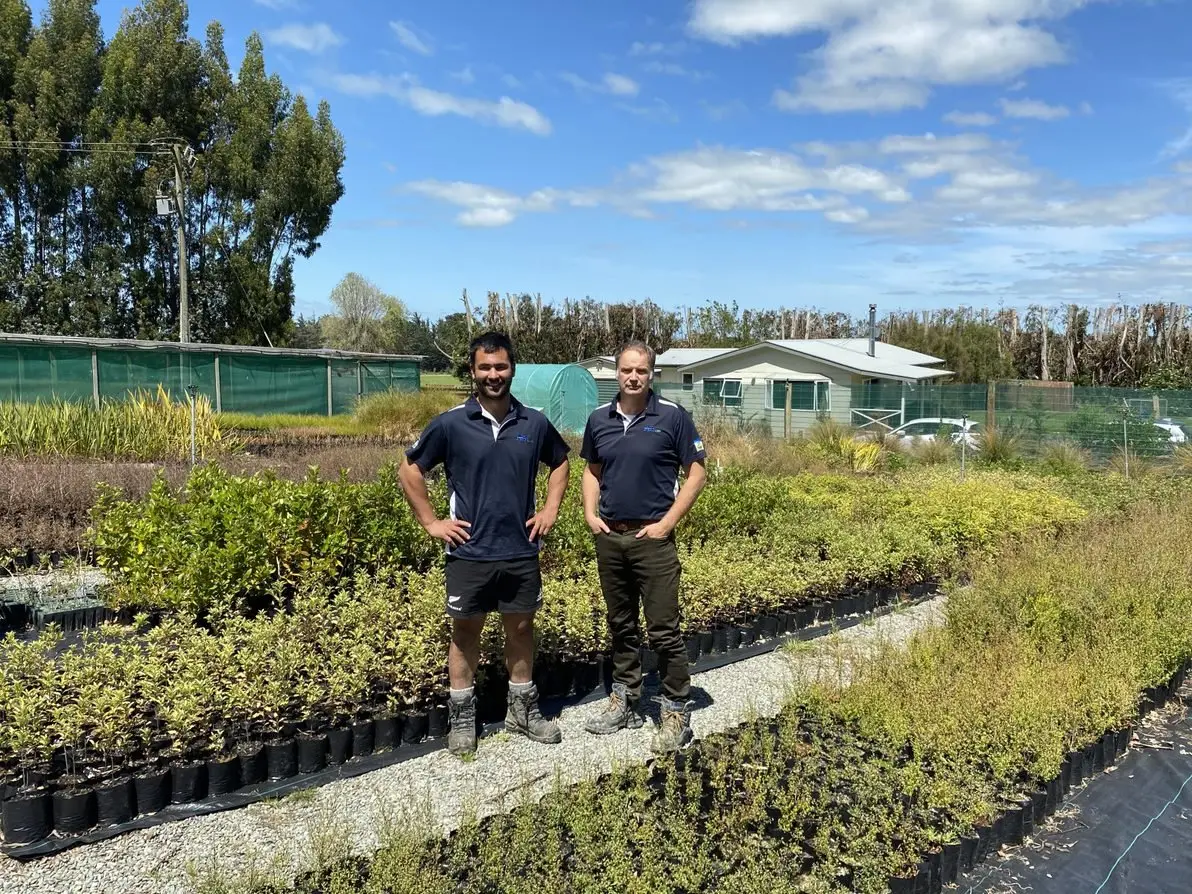
General manager Steve Smith leads the team behind AB Lime, with the wider operation including dairy support blocks, quarrying, fertiliser sales and distribution, and a landfill.
Primarily, four families own ABLime, with representatives from each sitting on the board and many living on the property.
Established in 2013, the dairy farm has a platform of 380ha and generates 15% of ABLime’s income.
A maximum of 950 cows were milked, producing 470,000kg of milk solids in the 2021-22 season.
The team was always looking to improve the business’s environmental impact as they strive for a modest financial profit.
This forward focus includes the early adoption of approaches using science and technology — used to guide the team as they reduce the application of nutrients and the number of cows.
Farm goals were guided by extensive water quality testing and data analysis that had been carried out since the farm was converted.
A fulltime biodiversity ranger had been employed to help with sustainability initiatives, which included the fencing of vulnerable areas and planting thousands of native trees.
They actively manage a 63ha area of remnant native bush and have developed a native nursery that produces 15,000 trees annually.
There had been significant investment in other environmental enhancements, including installation of a sediment control bund and the construction of a composting wintering barn. More recently, the team has started liaising with local iwi, informing plans with cultural knowledge.
At heart, AB Lime was a family business that takes a long-term view of environmental and business sustainability.
AB Lime
Who: Mitchel Smith, Steve Smith, Fiona Smith and Ainsley Adams
What: Dairy farm and support blocks
Where: Winton
Area: 598ha
Effective: 521ha
Topography: Flat to steep
Elevation: 80m to 100m
Annual rainfall: 960mm
Soil type: Pukemutu, Makarewa and Kuana
Focus on the future
The fifth-generation owners of this Croydon sheep and beef farm are being guided by a successful long-term vision that has both business and family at its core.
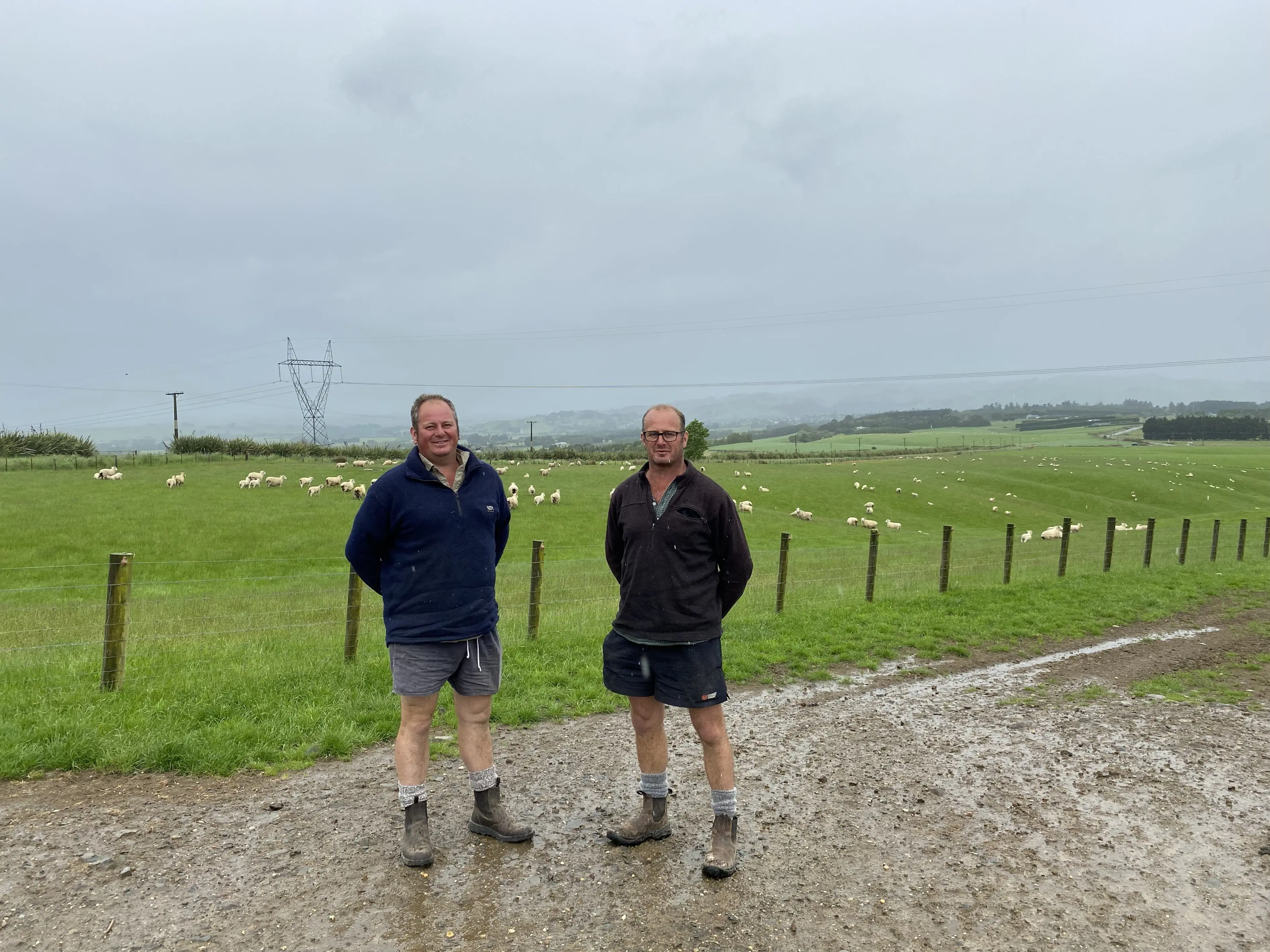
Known as Grant Brothers, the business is comprised of four farms, which span more than 4400ha — all owned and managed by Cameron, Robert and Peter Grant.
Since 1884, the original block had been added to and their overarching goal today was to continue running a sustainable operation that emphasised productivity and family.
The Grants run 21,800 ewes, 950 beef cows and 7500 hoggets, aiming to fatten all stock, and up to 5000 store lambs.
A lot of work has gone into growing the business through land purchases and sustainable development, guided by simple yet effective systems.
The approach was working, with the Grants achieving exceptional performance for a hill country sheep and beef farm, including a consistent lambing average of close to 150%.
When it comes to protecting and enhancing the natural environment, an impressive number of waterways had been fenced, complemented with large riparian buffers.
Native trees were planted to reduce bank erosion and runoff, while peat bogs and tussock areas were being protected and there was extensive weed and pest control.
The Grants balanced a strong work ethic with good community connections, including working with local iwi when planting native species and being part of local catchment groups.
There had been significant investment in infrastructure, including the farm’s water system.
Business planning was guided by good financial awareness, including the setting of targets and regular measuring to ensure numbers stacked up.
The Grants’ future-focused farming practises were combined with active succession planning to help ensure they passed on their knowledge and a sustainable business to the next generation.
Grant Brothers Farm
Who: Cameron and Bronnie Grant, Robert and Lynne Grant, Peter and Kath Grant
What: Sheep and beef
Where: Croydon
Area: 4444ha
Effective: 4200ha
Topography: Rolling hill country
Elevation: 180m to 600m
Annual rainfall: 1100mm to 1300mm
Soil type: High level, predominant soil types
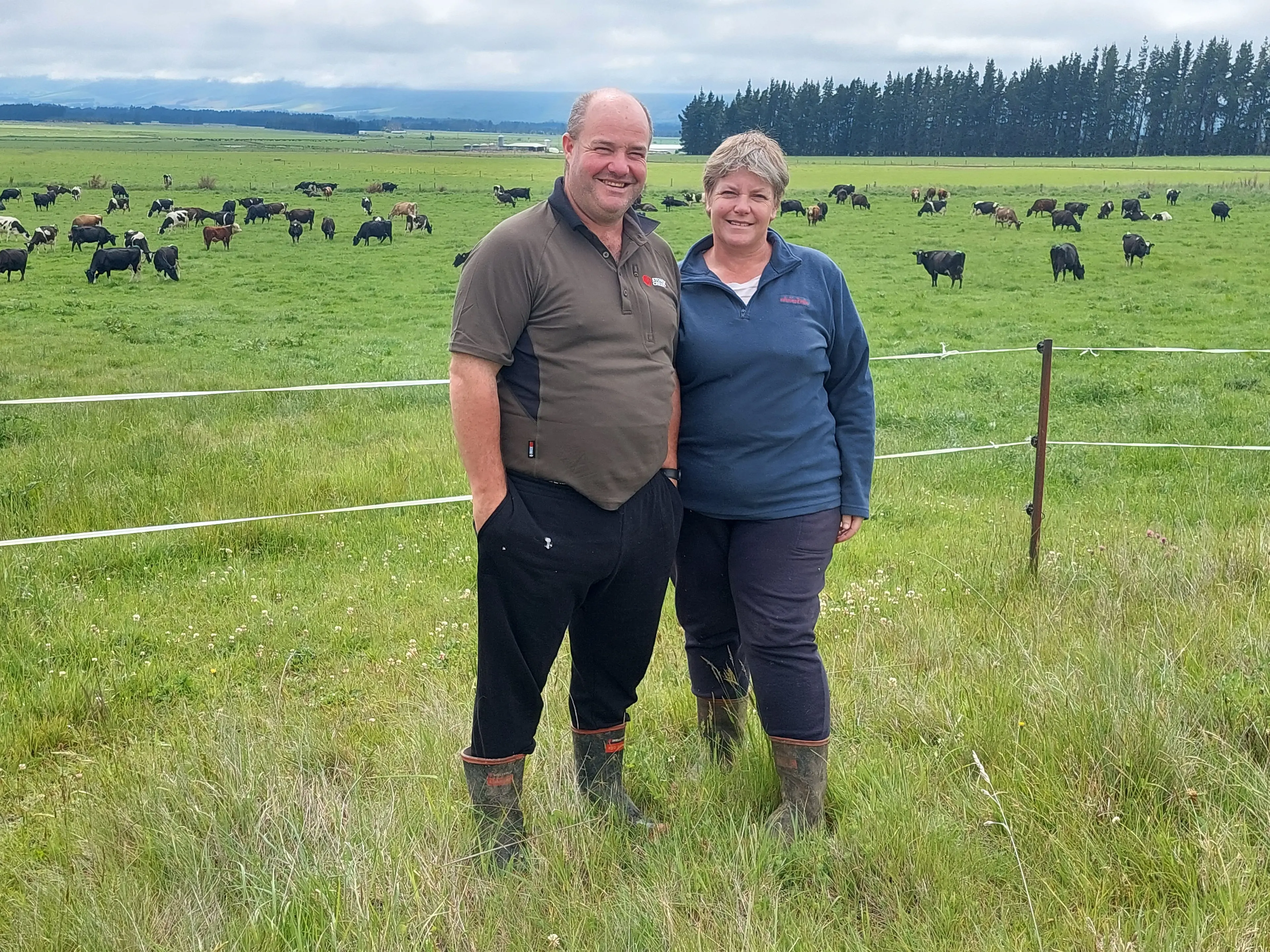
Mindful of water use
Sharemilkers Jason and Sandy Herrick are part of a water-users group that is looking after its local aquifer. However, that's not the only environmental project they are tackling.
At Murray Creek, they are also developing wetlands and are planning to create a thriving habitat for the Bittern bird which would be a first in Northern Southland.
Having a good understanding of irrigation management has been beneficial to the pair, who have sharemilked at the Lumsden property for the past nine years. They have earned the trust and backing of their shareholders, resulting in significant investment in both operational infrastructure and environmental initiatives at the dairy farm.
There is a strong focus on water quality, including working with other users of the local aquifer, helping to ensure there is enough high-quality water for everyone in the catchment.
Sediment traps on the edge of paddocks helps to keep the water clear, with this further boosted by using an irrigator that cleverly applies water and effluent separately.
Their production figures tell a story of trial and tribulations, as the couple aims to strike a balance between producing more milk with fewer cows.
They currently winter 960 cows on 374ha, and milk through a sophisticated 50-bale rotary milking shed. The farm has 234ha of irrigated land and features 7.2km of fenced off waterways.
The Herricks are strong mental wellbeing advocates and have spoken publicly about the importance of farmers taking care of themselves to prevent burnout. They have shared their personal experiences nationwide, speaking to farmers through Ag Proud, Whatever with Wiggy and Agriconnect days.
They have entered the Ballance Farm Environment Awards as a way of benchmarking their operation within the industry. They hope it results in constructive feedback which will help guide positive decision-making into the future.
Murray Creek
Who: Jason and Sandy Herrick
What: Dairy farm
Where: Northern Southland
Area: 415ha
Effective: 374ha
Topography: Flat to steep
Elevation: 230m to 450m
Annual rainfall: 800mm to 1200mm