
PHOTO
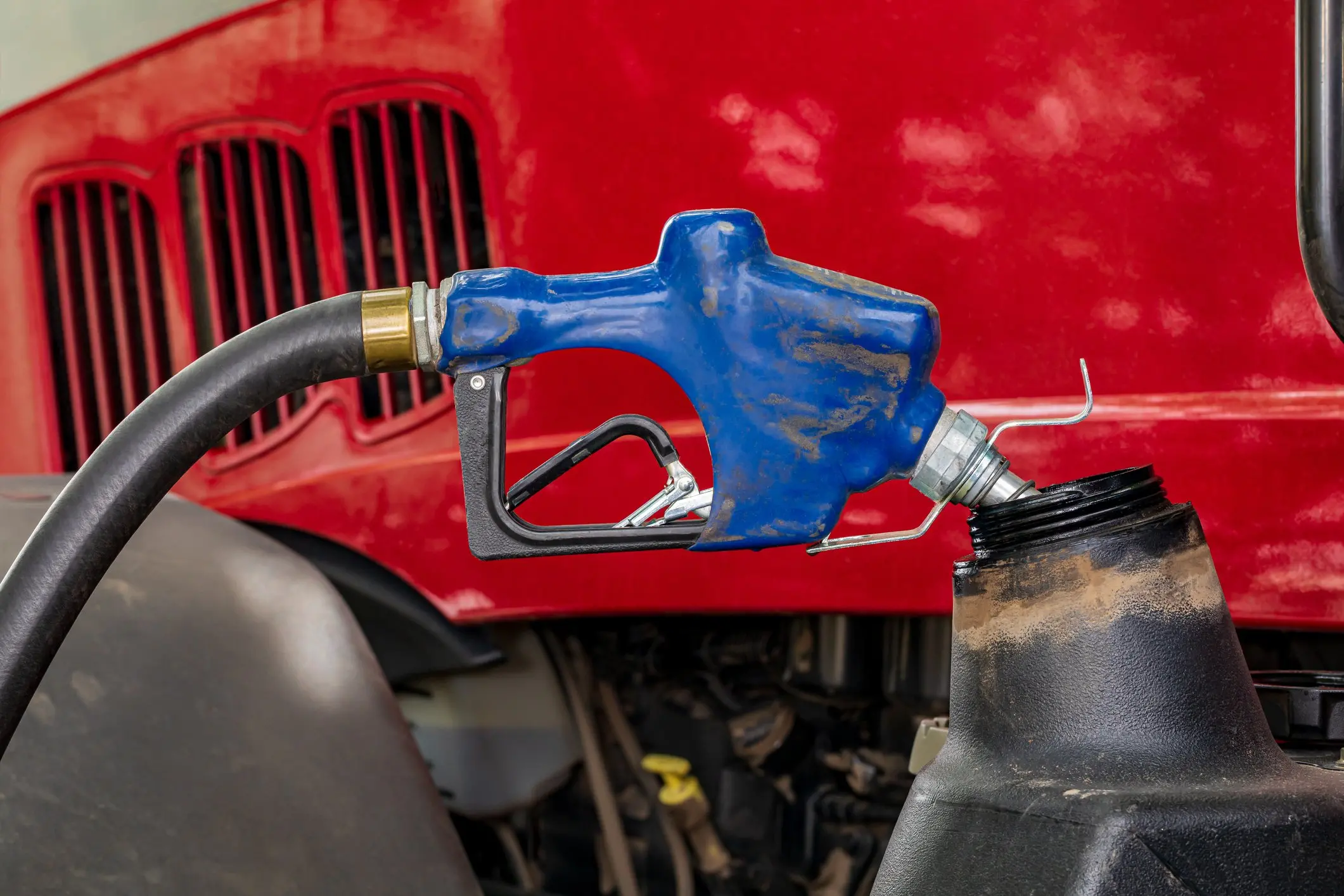
Arable farmers labouring under low grain returns and high fuel prices have ruled out a rescue bid for Wattie’s frozen pea and vegetable factory in Christchurch.
A farmer co-operative is off the table and the best hope is one of the major processors fills the vacuum of the likely exit by Kraft Heinz.
Peas are among pivotal crops in arable rotations, needing virtually no fertiliser, and they prepare the soil for nitrogen-heavier crops such as wheat or ryegrass.
Previously, the potato-growing Bowen family formed Heartland Potato Chips, in Washdyke, after Bluebird relocated to Auckland.
Federated Farmers Arable chairman David Birkett said that was unlikely to be repeated, as it would make more sense for one of the remaining processors to fill the gap.
Arable farmers did not have any spare cash to invest in a co-operative approach.
"Farmers have looked at that and talked about it, but it’s quite a tough industry to be in, as margins are quite small. We do have Talley’s and McCain who are operating out of Ashburton. That’s a more logical approach, so we are talking with them about what sort of expansion could they do with their factories and could they cover the area that Wattie’s did.
He said the writing was probably on the wall for Wattie’s, a premier brand at the top end of the market, as the growth market was budget production for Pams and supermarket brands often in imported peas.
"Particularly the Wattie’s peas are quite a good crop in the rotation because they are very quick and not actually in the ground very long. It wasn’t just arable farmers, as quite a few sheep farmers grow them as well to get rid of the old pasture and after peas put in something like a green feed crop, so we lose that market as well."
The flow-on effect could come from sheep farmers re-pasturing less and needing less ryegrass seed from arable farmers.
Wattie’s Christchurch plant in Hornby, crowded out by housing, serviced the Darfield and Ellesmere area, over the Rakaia River to Dorie and Pendarves as well as the south side of Rakaia and up to Methven, whereas the Talley’s factory is based in Ashburton after they bought the old Fairton meat works.
Impact of fuel prices
The next pea crop will be sown from July and arable farmers have more immediate concerns weighing on their minds after the launching of surprise airstrikes by United States and Israel on Iran.
Mr Birkett said farmers were dealing with the added challenges of fuel prices and fertiliser availability and price increases.
While they hoped the attacks would be shortlived, the Ukraine war was showing no sign of stopping any time soon.
All fertiliser prices were expected to go up from rising shipping costs on the back of two poor harvests in a row.
He said it was possible some of the extra fuel and fertiliser costs could be covered by the war increasing commodity prices if it carried on.

The pressure of getting Australian or other grain to New Zealand could result in increased demand for domestic grain, he said.
However, many of these costs could not be passed on to consumers and would be absorbed by growers.
"When the consumer sees the price of food go up in the supermarket they probably think the grower or the farmer is getting that increase and while that may be somewhat true for the dairy and red meat sector because they change their prices during the season, with arable we set our price once in the year."
Many growers had already signed seed contracts before costs rose due to the Iran war.
Fertiliser has steadily risen the past six months, with urea going from $700 a tonne to $1000/t.
Growers are being told by fertiliser companies there is enough in storage for the autumn, but they know the next shipments will be at a higher price.
However, the conversion of arable or dairy support land to dairy farms in Canterbury — estimated at about 30 applications this year — could turn around prospects.
Mr Birkett said the grower base was getting to the point where there were not enough to fulfil contracts.
"So in a year’s time we could easily be in a position where the company can’t fill their contracts because there are not enough growers and the growers are then in a position to bargain.
"Things could turn around quickly and I see that as a bright spot and opportunities being created by people leaving the industry."
The appetite for converting land is continuing despite a cost of about $30,000 a hectare.
The Foundation for Arable Research (FAR) said farmers were looking at ways to make fuel and other savings.
Technology manager Chris Smith said arable growers concerned about higher fuel and fertiliser prices as they head into the planting season needed to make the most of a range of tools in tractor cabs or farm offices.
He said they would start with using guidance and auto-steer in tractors which would burn 5% to 12% less diesel over the season.
"Manual driving inevitably means overlaps, often 5% to 10% across a typical day’s work.
"Auto-steer trims that down dramatically, usually to between 1% and 3%."
Other fuel savings can come from adjusting farm machinery and using smaller machines for lighter tasks, GPS to increase the accuracy of spreading or spraying and variable rate application of fertilisers combined with other software.