
PHOTO
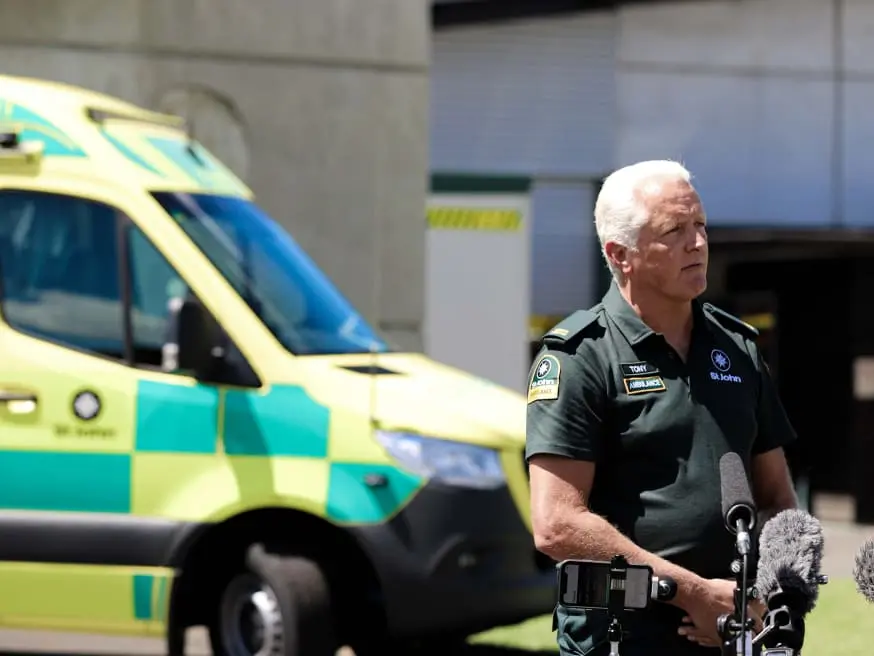
A "swift" response from St John and the bravery of worshippers, civilians and police saved lives during the Christchurch terror attack, an inquest has heard.
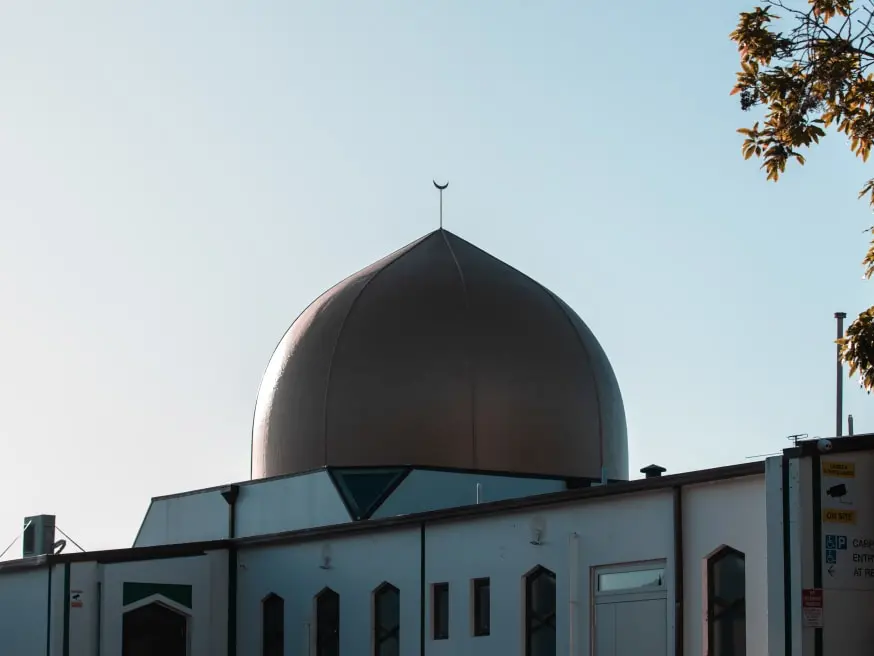
The inquest into the murders has heard it took paramedics 30 minutes to enter Al Noor Mosque after the gunman left and a similar time to arrive at Linwood Islamic Centre, with communication breakdowns between ambulance officers and police emerging as a key issue in the inquiry.
St John clinical director Dr Tony Smith told the Coroners Court ambulance officers were still quick to respond and staff took risks to save lives.
"The response was swift. If time was taken to ensure a greater degree of safety for personnel, the clinical response would not have started until much later. Those involved in the response took risks," he said.
"The response was the result and character of many, including the shaheed, survivors, civilians, including those first on scene at the Al Noor Mosque and those at the medical centre at the Linwood Islamic Centre, police and St John responders.
"Christchurch Hospital was able to treat a large influx of seriously injured. Individually and collectively this saved lives."
Smith said Al Noor Mosque was a potentially dangerous place for paramedics for the entire time they were treating the injured.
Under St John policy, only Special Emergency Response Team paramedics can work in those situations because they have extra training and protection.
He said staff were brave to enter as they did, but also inadvertently broke policy.
Smith told the court communication breakdowns between paramedics and police were not included in an internal St John review and further evaluation was sidelined by another tragedy.
"Soon after this review, we were then faced with the Whakaari / White Island eruption and that focused our attention away from this tragedy and then in early 2020 we were overwhelmed with Covid and that focused our attention for the next couple of years," he said.
Smith said the terror attack had resulted in a broader understanding that New Zealand was not insulated from "horrific actions" and St John was now working on a plan with police about how to manage mass shootings.
Questions about when it was appropriate for staff to work in dangerous situations presented an ongoing dilemma for St John and other emergency services, he said.
In the case of 15 March, Smith said the St John commander and police commander should have had a conversation and come up with a detailed plan of how patients were going to be taken from the mosques before any paramedics entered.
The inquest will examine the following 10 issues over seven weeks:
- Events of 15 March 2019 from the commencement of the attack until the terrorist's formal interview by police
- Response times and entry processes of police and ambulance officers at each mosque
- Triage and medical response at each mosque
- The steps that were taken to apprehend the offender
- The role of, and processes undertaken by, Christchurch Hospital in responding to the attack
- Coordination between emergency services and first responders
- Whether the terrorist had any direct assistance from any other person on 15 March 2019
- If raised by immediate family, and to the extent it can be ascertained, the final movements and time of death for each of the deceased
- The cause of death for each of the victims and whether any deaths could have been avoided
- Whether Al Noor Mosque emergency exit door in the southeast corner of the main prayer room failed to function during the attack and, if so, why?
The inquest continues.