
PHOTO
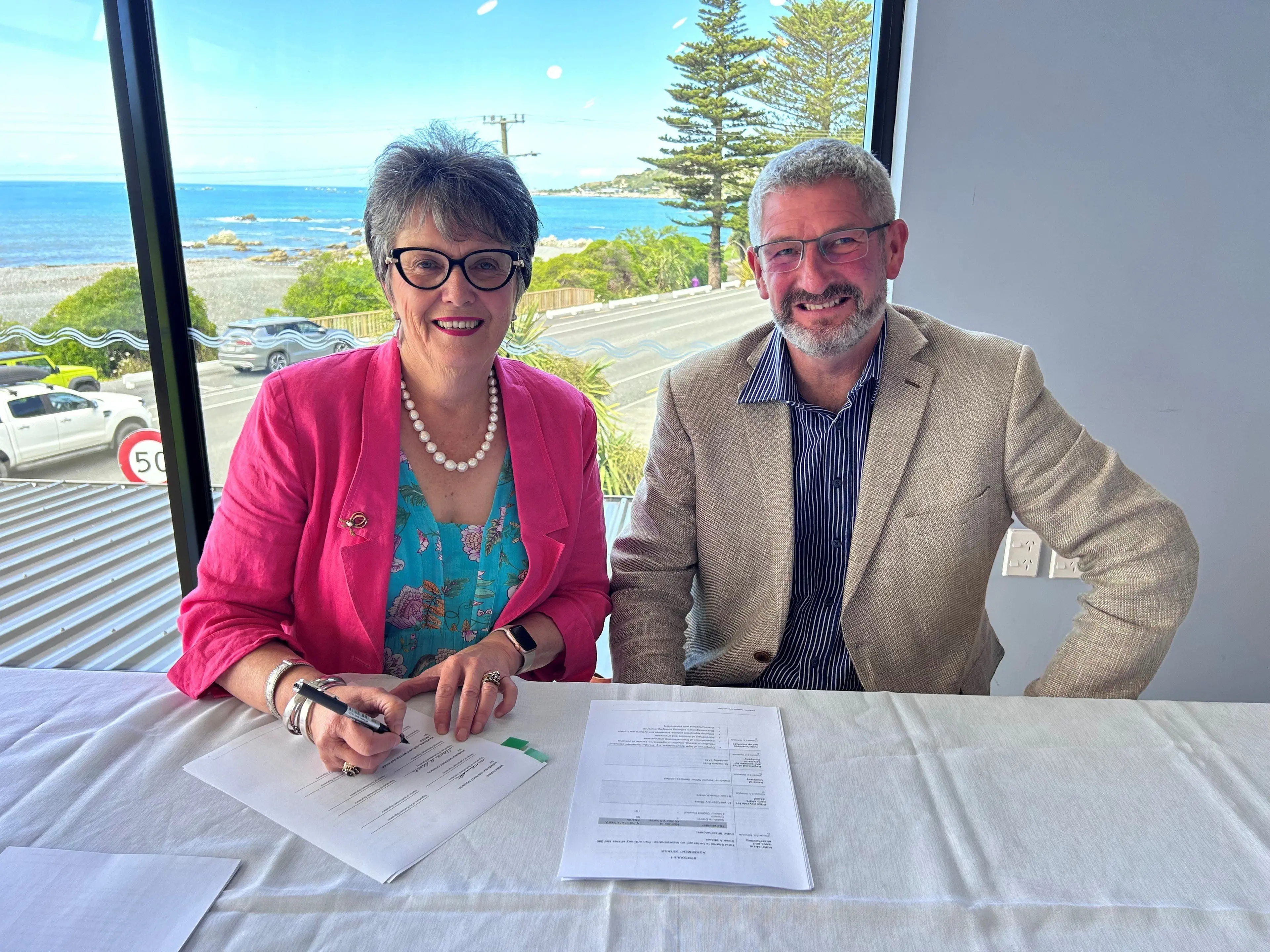
A Canterbury mayor says rural support workers have been forgotten about for too long, leaving them vulnerable to rising fuel costs.
Kaikōura Mayor Craig Mackle says the rising cost of fuel has seen some dip into their own pockets to support elderly in their community.
Mr Mackle said he had heard of instances of workers paying for petrol, cleaning products and equipment out of their own pocket.
‘‘They do it because they care. I understand the Government having to cut back to get back on their feet, but this is a sector which has suffered for far too long.’’
Hurunui Mayor Marie Black said rural support workers are ‘‘gems’’ in a tough economic environment.
Support workers played a valuable role with cleaning and personal care, allowing the elderly to remain in their home, she said.
‘‘The people I know who do it are just gems. They are little guardian angels.’’
Support workers often start on minimum wage, despite a pay equity settlement in 2017.

Fuel costs are taking a toll, with workers required to use their own cars to drive between clients’ homes, meaning they clock up the miles in rural areas.
The Government recently raised the mileage rate as a temporary measure in response to the fuel crisis, after the rate had been frozen for four years.
The Public Service Association (PSA) took legal action against Te Whatu Ora Health NZ earlier this year, arguing the requirement to use their own vehicles breaches the Wages Protection Act (1983).
Home support workers are employed by service providers, which are contracted by Health NZ.
The Government’s 2017 pay equity settlement followed successful court action by home support workers.
Under the agreement, four wage levels were set based on experience and training, starting from $19 an hour, more than $3 above the minimum wage at the time.
The PSA understood there were worker shortages in rural areas, with the cost of running a car over long distances a factor.
The mileage rate was frozen at 63.5 cents a kilometre in March 2022, until it was raised to 82.5c/km last month as a temporary measure due to rising fuel costs.
The Inland Revenue mileage rate is now $1.17/km.
PSA national secretary Fleur Fitzsimons said a temporary raise to the mileage rate ‘‘does not cut it’’.
‘‘The current rates and funds don’t factor in rural realities. Workers have trouble maintaining enough hours because clients are so spread out.’’
Health NZ funding systems group manager Mark Powell said reimbursement is based on the travel between clients’ homes of less than 15km.
Employers can apply for funding for travel above 15km for ‘‘exceptional travel’’.
Service providers and unions were responsible for ‘‘identifying and addressing any pay equity concerns’’, he said.
An Aged Care Ministerial Advisory Group has been established to look into the future challenges for the aged care sector.
By David Hill, Local Democracy Reporter
■ LDR is local body journalism co-funded by RNZ and NZ On Air.