
PHOTO

The number of feral, abandoned and domestic pet cats roaming along the Ashley-Rakahuri River near Rangiora has reached a crisis point.
Left unchecked the cats have the potential to eventually wipe out the entire rare and endangered native bird population breeding along the river, says the Ashley-Rakahuri Rivercare Group (ARRG).
The problem has been prevalent for a number of years but a recent Manaaki Whenua - Landcare Research study from last breeding season, combined with work done by ARRG operations manager Grant Davey and field operations ranger Emily Wium has shown "cats are now our worst predator", Davey says.
‘‘The study also showed that domestic cats are more abundant on this river than on larger braided rivers in less populated rivers.
‘‘They are now seen so often prowling along the river that urgent action is needed,’’ Davey says.
It is a huge concern for ARRG volunteers and many other conservationists working nationwide facing similar problems, especially with the bird breeding season fast approaching in September.
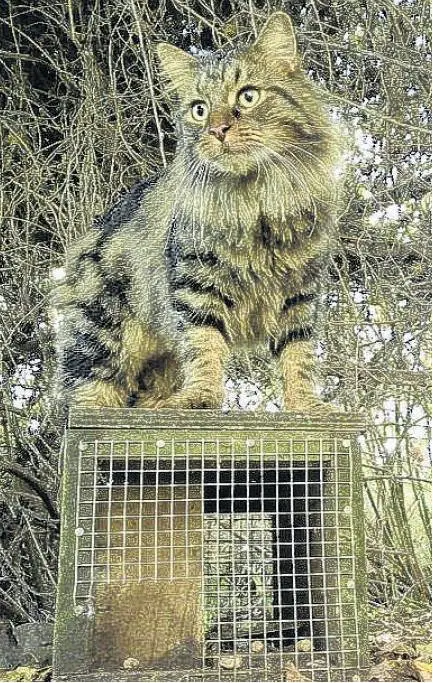
In 2024, a feral cat destroyed the largest black-fronted tern/tarapirohe colony on Canterbury’s Waiau Toa/Clarence River during one weekend of carnage.
Department of Conservation South Marlborough senior biodiversity ranger Pat Crowe said then a single male feral cat reached a large island with 95 nests, eating several adult birds, chicks, and eggs, and disturbing the colony to the point where almost all nests were abandoned.
The devastating incident destroyed the largest colony on the river, despite extensive predator control in the area.
‘‘It highlights how difficult it is to trap feral cats, which are intelligent and wary.’’
In 2021, conservationist and vet nurse Erica Rowlands presented a petition to Parliament asking for all domestic cats to be registered via microchip to their legal owners, and to be desexed unless kept contained by registered cat breeders.
She said then it was "widely known that cats cause a problem for native species, and that rescue groups face a relentless battle against the effects of irresponsible owners".
‘‘We have committed as a nation to invest in the goal of being predator free by 2050, but with no improvement in sight for the management of pet cats, or the elimination of feral populations. Requiring cats to be registered and desexed will reduce their populations, enforce responsible cat ownership, and protect our wildlife.’’
In 2023, Parliament’s Environment Committee’s response to the petition was to “recommend by majority to the Government that legislation is developed to implement a nationwide cat management framework based on the principle that cats should be registered, desexed, and microchipped with appropriate exemptions’’.
In December 2024, the Domestic Cat Microchipping Bill was launched by Green MP Celia Wade-Brown and National MP Barbara Kuriger.
It was said to have considerable cross-party support and aims to make microchipping companion cats mandatory with registration on a national database but desexing is not required.
- Submissions on the bill are now open and details on how to make a submission can be found on the New Zealand Parliament website.