
PHOTO
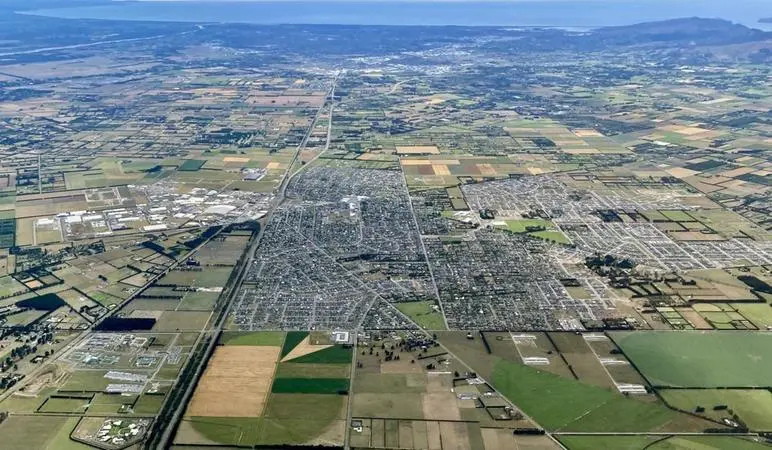
A fairer system for ensuring growth pays for growth appears to be on the way in the Selwyn district - but it could be at least two-and-a-half years before it is in place.
The Government has started consultation on its development levies legislation, which is intended to replace development contributions (DCs), the system used since 2002.
DCs are paid by developers or property owners to councils to help cover the cost of additional infrastructure needed to support new homes.
The new legislation is part of the Government’s Going for Growth housing programme, which is aimed at making it faster, easier and cheaper to build new homes.
While the bill is expected to pass in early 2027, councils will not be able to use the new system until July 2028.
A phased transition is planned to avoid financially disadvantaging existing developments.
The legislation is also expected to close a loophole that has short-changed the Selwyn District Council by about $33.9 million.
Under current rules, any changes to DC charges must be consulted on before they take effect. This gives developers a roughly two-month window to apply before the new rate applies.
For example, when the council began consulting on the 2024–34 Long-Term Plan – which included proposed DC rates – in April 2024, applications surged.
In May, 809 lots were applied for, followed by 2578 in June, compared with an average of 80 per month from December 2023 to April 2024.
Under the new legislation, rate changes would apply from the date consultation starts, rather than when the plan is formally adopted.
Mayor Lydia Gliddon said any move towards funding growth more fairly is welcome.
“We are working through the details carefully, and looking at scenarios against our current DC policy to see what the changes might actually look like,” she said.
“If this gives councils clearer, more predictable tools to recover growth costs, that’s a step in the right direction.”
While the primary focus is fairness, the changes may also speed up development in the district.
“These reforms are about enabling more housing to be built faster,” said Housing Minister Chris Bishop.
“We know freeing up land for development is only part of the solution – we also need better tools to fund the infrastructure that makes new housing possible.”
Concerns about urban sprawl were reignited after Selwyn Times reported plans for 160ha of farmland to the north of Rolleston to be turned into about 2500 homes over the next 10-20 years by developer Urban Estates.
Gliddon said councils need stronger tools to manage where growth happens.
“We can’t keep seeing urban sprawl as we have. Growth needs to happen where it’s practical, serviced, and makes sense for communities.
“The issue isn’t growth, it’s unmanaged growth.”
While much of Selwyn contains highly productive soil, there is concern protections could be overridden in pursuit of growth, especially with councils required to provide for 30 years of housing growth.
“We need to be thoughtful. Once productive land is gone, it’s gone, so any development on high quality soils must be rigorously tested,” Gliddon said.