
PHOTO
The concept that "time waits for no one", whether it be fleeting, dragging, or accumulating, is at the heart of the 2026 Art+Science exhibition.
Titled "Once Upon a Time", the exhibition and a series of associated activities, will run from July 13-17 at Dunedin Community Gallery, 26 Princes St, as part of the NZ International Science Festival.
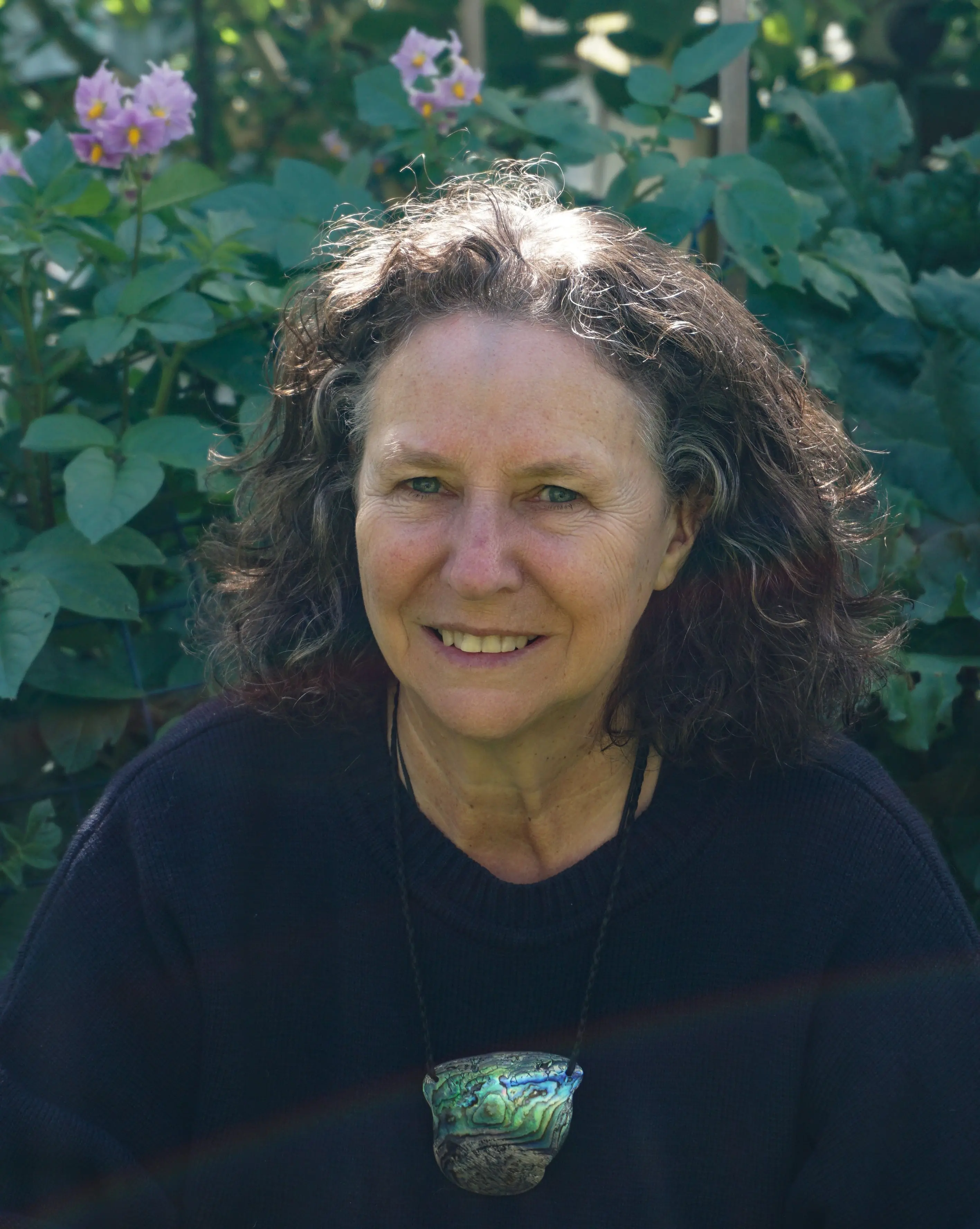
Art+Science exhibition organiser, curator and artist Pam McKinlay said the project would showcase 29 contributions created by scientists and artists working together to explore notions of time.
McKinlay said the broad theme had allowed an extraordinary range of topics for contributions, which explored photography, quantum physics, astronomy, astrophysics, cosmology, geology, paleomagnetism, earth science, archaeology, Antarctica, soil science, zoology, psychology, dendrology and musicology.
"There is also a lot of cross-over with the medical humanities, looking at interesting subjects like the experience of time for people living with chronic illnesses," she said.
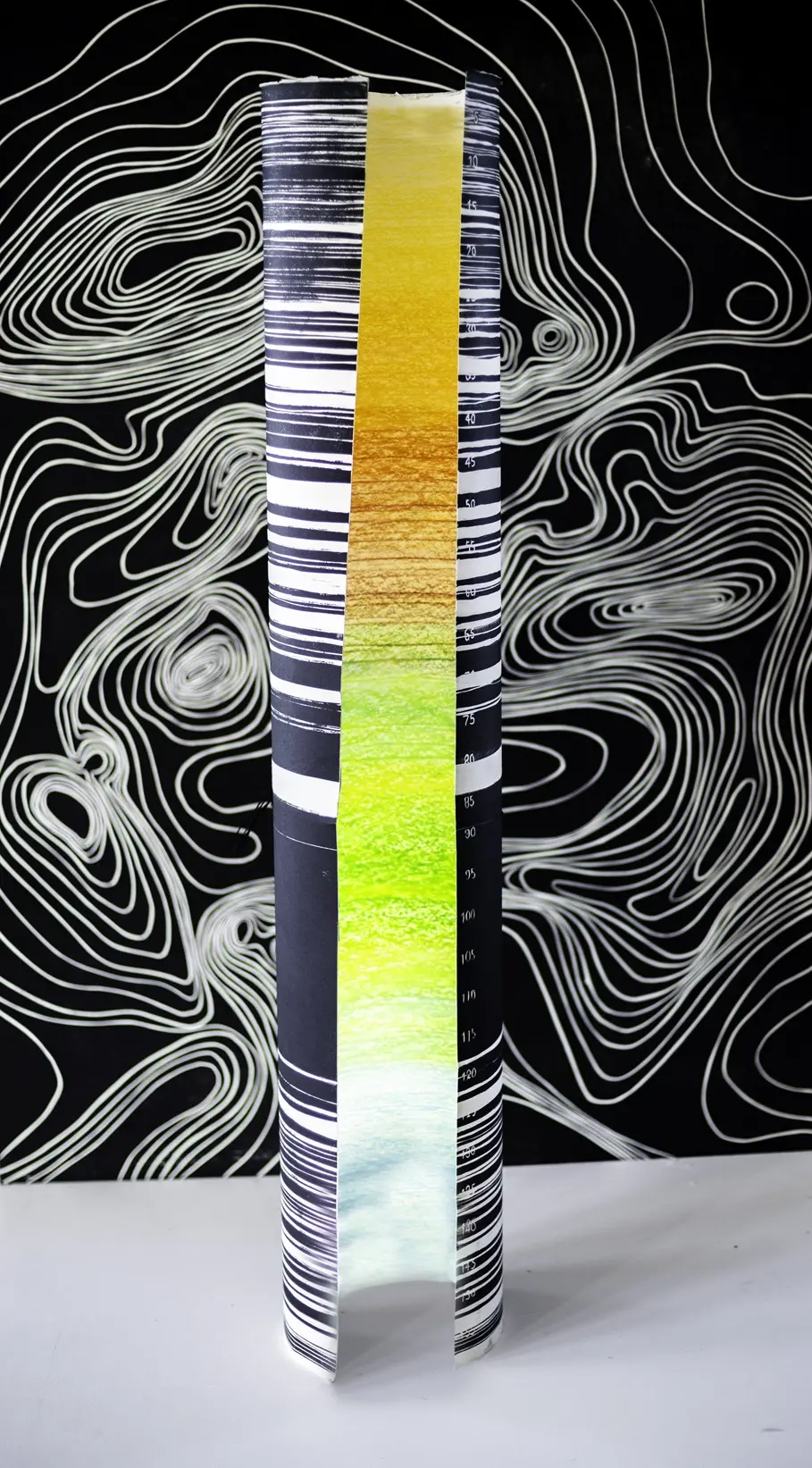
Along with visual artists, the Art+Science programme also paired scientists with local poets, resulting in multiple new poems, McKinlay said.
As part of the NZ International Science Festival, a public programme is an important aspect of the Art+Science Exhibition, and this month’s event will feature a full schedule of events.
Daily events, ideal for children and their caregivers, will be led by McKinlay and Christine Keller and will include "Beetlemania" — examining the loss of insect life in the past 50 years; "Shell Poems" — writing haiku on themes of memory; hands-on "Carnival of the Animals" workshops — making soft toy animals; and "Once Upon a Time" artist’s floor talk by McKinlay.
There will also be a series of evening events, including "Micros Music and Movement" on July 14, from 5pm — an evening of writers, poets, readers and dance performance with Michelle Elvy, Claire Lacey, Susan Wardell, Sofia Kalogeropoulou, and Motoko Kikkawa.
An Art+Science panel discussion will be held on July 15, from 5.30pm, where a panel of guests will share their motivations for working in the field.
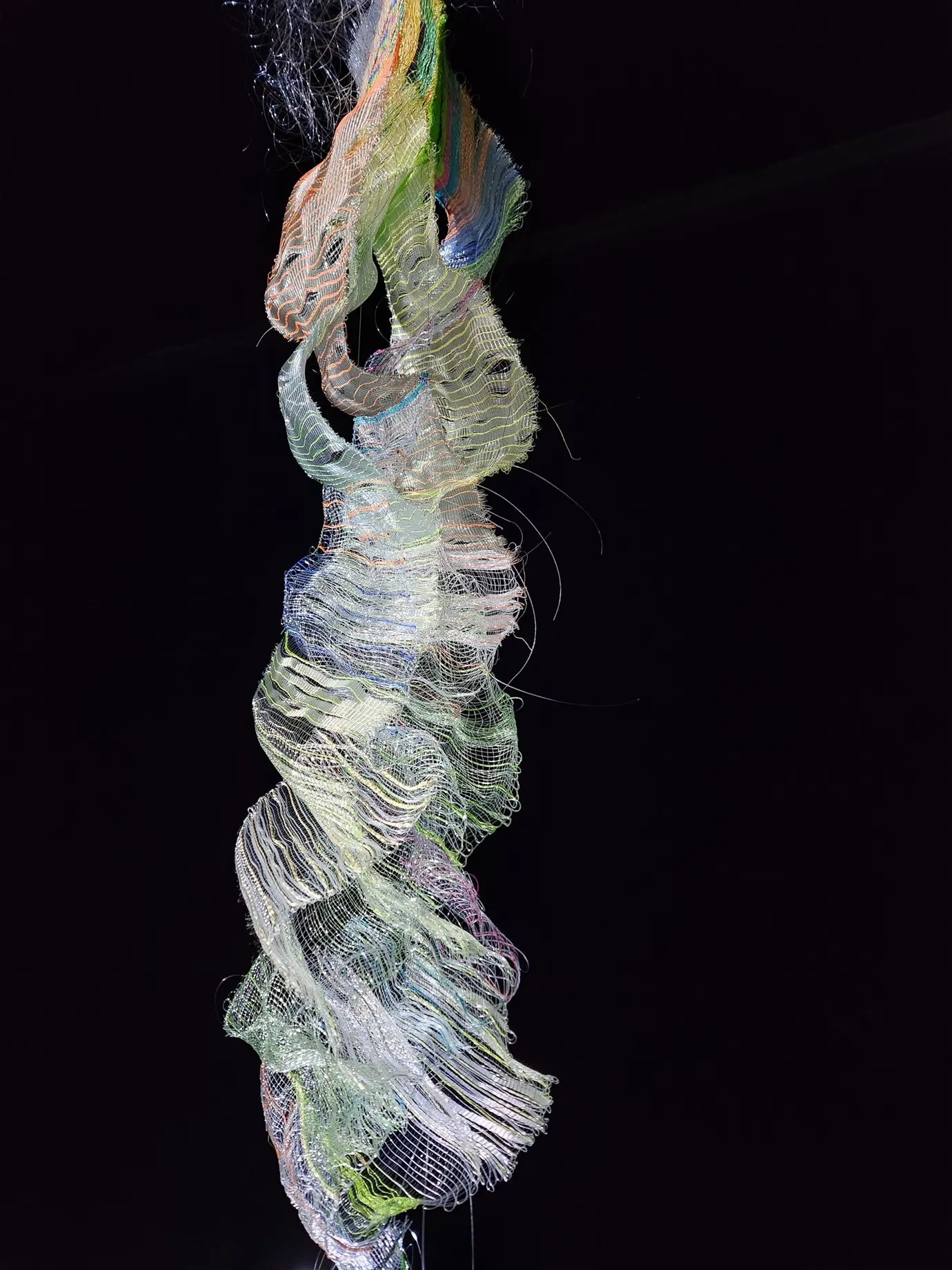
In "Tenseless", a celebrating evening from 5pm on July 16, a performance piece will draw on concepts from physics, exploring "configuration space" — a realm of all possible states of a system. The event will be a chance to meet scientists and artists.
In an associated exhibition showcased at the Dunedin Fringe Arts Trust’s White Box window gallery, McKinlay has created an exhibition titled "Time Once Upon", which traces the time-line of climate change.
Pulling together the material for various aspects of the Art+Science exhibition had been a big task for McKinlay, who was grateful for the support of many in the city’s arts and science communities.
"Dunedin is a great place to do this kind of work, so many people’s fields overlap and people are very generous with their time and support.
More information and bookings for the Art+Science 2026 exhibition and programme can be found on Facebook or via the NZ International Science Festival website.