
PHOTO
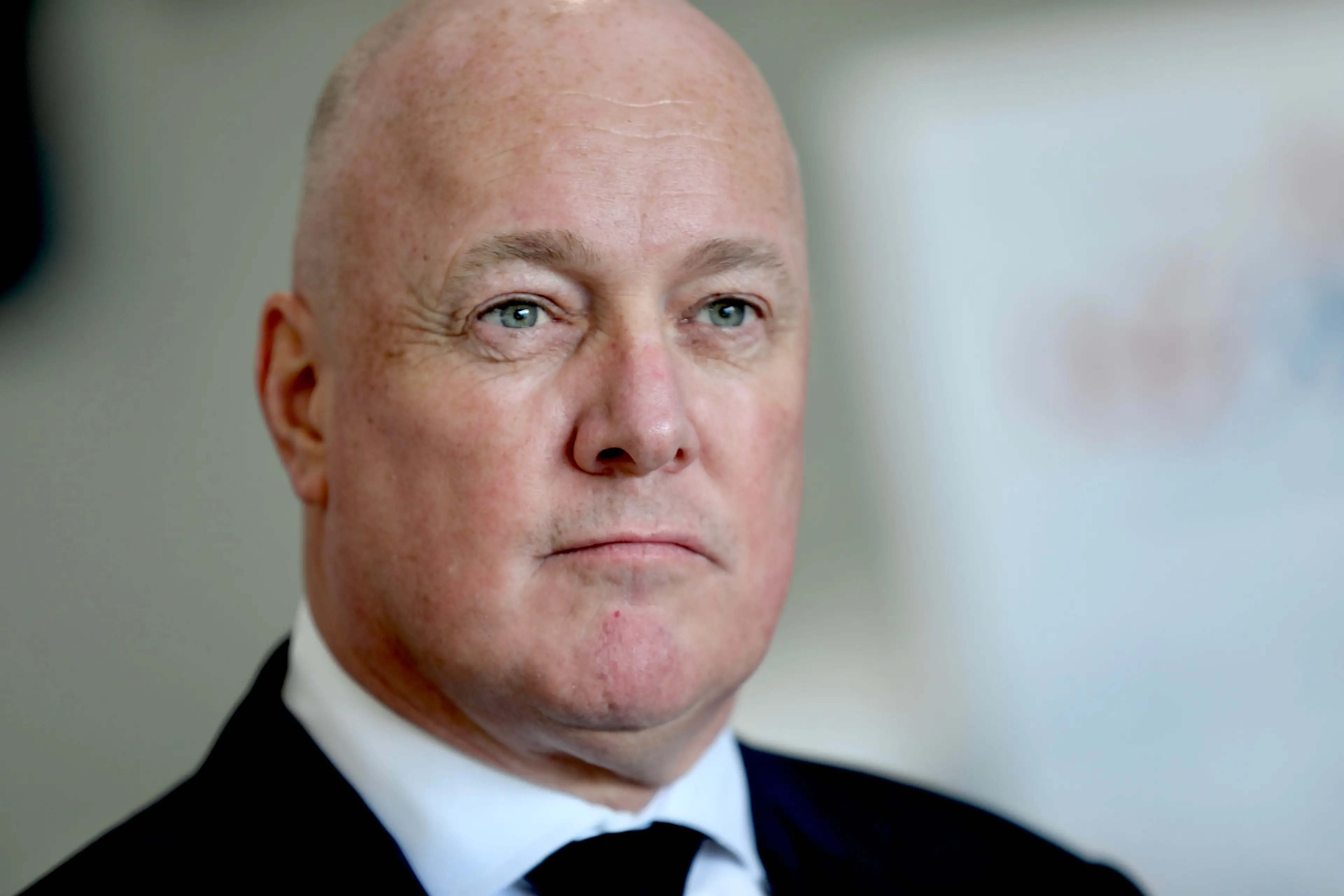
Prime Minister Christopher Luxon has defended a move to make first-home buyers pay more under a government-assisted loan scheme, saying it has not affected the number of applications.
At the weekend, National promised - if re-elected on November 7 - to help more people buy their first home by expanding access to the government's low-deposit scheme.
The existing First Home Loan scheme run by Kāinga Ora allows buyers to purchase their first home with a 5% deposit, rather than 20% which most banks require.
National wants to increase the income threshold so anyone earning less than $300,000 combined could access it - whether that was a single or combined income.
The existing cap of $95,000 for single buyers with no dependents, or $150,000 for multiple buyers or single buyers with dependents, was set in 2022.
"When you step back and think about the young people that we want to keep here in New Zealand, this is one way we can help support them," Luxon, the National Party leader told Morning Report on Monday, saying it would allow people on slightly higher incomes such as "junior doctors and electricians and teachers and nurses and police" use it.
Last year the government scrapped its contribution towards the mortgage insurance premium, raising costs for low-deposit borrowers from 0.5% of the mortgage's total cost to 1.2 percent - nearly $4000 on average.
"We felt that was a better way to go, just making sure the mortgage lender insurance is a key component of it. But as you can see, it actually hasn't changed, people becoming eligible for it and people applying for it over the last nine months."
Kāinga Ora approved 7761 new First Home Loan applications between July 1 in 2025 and 30 April 30 this year.
Purchases using First Home Loans rose 31% in the year to June 2026, Infometrics statistics showed, to just over 4000.
Ministry figures show the share of purchases made by first-home buyers has crept up to just over 35% in the past year - down on 2023's peak at almost 40%, but well above 2017's 21%.
"The issue is now not so much about the serviceability of the mortgage because actual interest rates having come down, that's much more affordable for people. It's really about helping people get that deposit together,” Luxon said.
While interest rates were creeping back up now, with two successive hikes to the official cash rate, two years ago they were as high as 5.5%.
Luxon said inflation had come down since the coalition took over, which would encourage Kiwis to stay here, or come back if they had already left.
Inflation's latest figure was 4.1%, a two-year high and well outside the Reserve Bank's target of 1-3%, hence the interest rate hikes.
Luxon said if you ignored the effects of the Middle East conflict, inflation was inside the target band, at 2.9%. He also pointed to food price inflation being at 1.9%.
Luxon said inflation was previously above 7%, without mentioning potential global causes such as the supply shock caused by Covid-19, or that it was just as high for most of our major trading partners.
"Having inflation in the band at a healthy level as it has been in New Zealand for a number of years is a good thing, because that means interest rates come down, interest rates lower inflation, lower interest rates means the economy starts growing and people get into jobs."
