

PHOTO
She was known as Hayley — and for weeks she slept rough on New Brighton Beach before she eventually died in Christchurch Hospital.
The 54-year-old homeless woman was often cold and hungry, and would become hostile when people tried to help her.
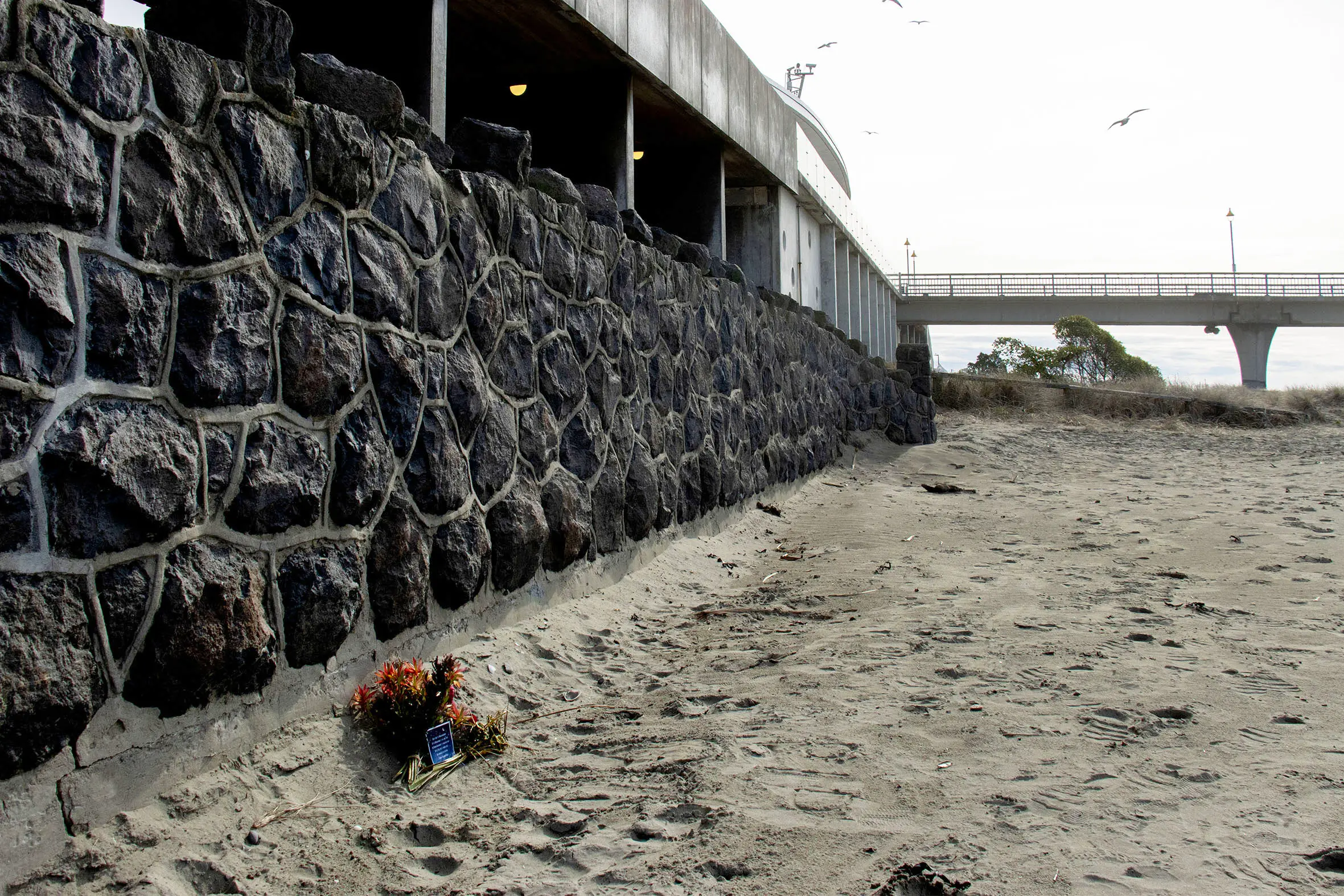
Justine Balcar was walking her dog near the New Brighton Pier at 3.20pm on Saturday, July 25, when she saw Hayley lying in the wet sand, soaked and shivering, beside the seawall.
The temperature had dropped to -4 deg C that night as a polar blast hit Canterbury.
Balcar had become aware of Hayley’s situation through residents’ social media posts a few days prior.
Said Balcar: “She was very wet and had no shelter, or a blanket, or anything to lie on. She did have her head covered.”
Hayley had strung a mattress protector up between her two suitcases as a makeshift shelter.
“She was lying on wet sand. I couldn’t see her head as it was covered,” Balcar said.
At first, she said Hayley was unsure whether to accept her help.
“Which is fair enough. I told her I had food for her and told her I’d put it down beside her and encouraged her to eat something. She said okay.
“I asked her if she would let me put the bed roll under her, but she wasn’t keen so I put it around her legs to create a barrier from the weather.
“I put it beside her and encouraged her to put it on.
“She said okay.”
A trained social worker, Balcar called police on 105 to request a welfare check.
“The number came up on my phone as the Whakatane police station,” she said.
“He was very nice but didn’t know the area and was talking to someone else about it.”
Balcar said police were unable to carry out a welfare check at that time and gave her a Salvation Army number.
“It went straight to answer phone so I didn’t leave a message.”
She then tried to find emergency help through the Christchurch City Mission and its night shelter.
She was told there was no outreach team available and Hayley would have to go to the shelter voluntarily.
Balcar knew she would not do that. Hayley was agitated and refused any help.
Unsure who else to call, Balcar went home, got hot soup, bread, a bedroll and tarpaulin, and went back to the beach.
She gave them to Hayley and encouraged her to seek shelter as it was raining and there was a bitter southerly wind blowing.
But Hayley would not move.
Balcar called her brother-in-law Jimi McKay, who brought more blankets and camping equipment.
“But by this stage it was hard to hear her and she was sounding tired, so that’s when we decided to call 111,” said Balcar.
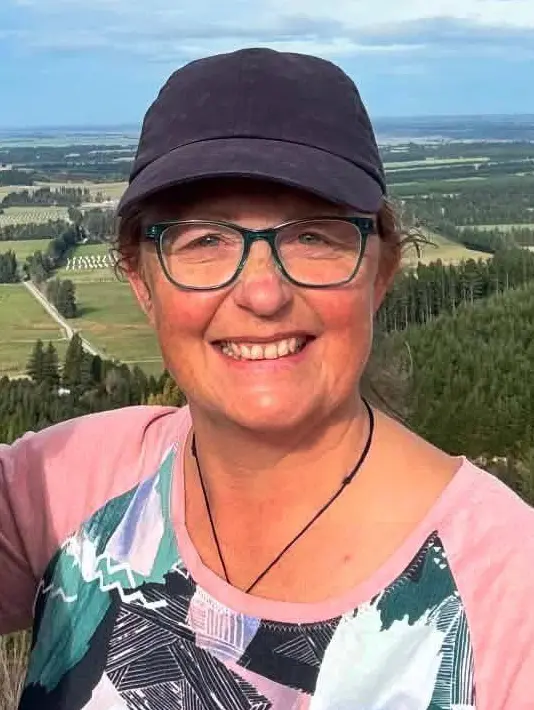
Hayley had become pale and less responsive.
It was now about 5pm. They were concerned Hayley was suffering from hypothermia and called 111.
“It was apparent she was medically unwell and in danger.”
Police arrived within five minutes and an ambulance was called.
Balcar and McKay left the beach after speaking to police. They left food, an emergency blanket and bedroll with Hayley.
“I was under the impression that emergency services were taking responsibility for her,” said Balcar.
“I was therefore devastated to subsequently learn that she had been left on the beach overnight and was found the following morning by a passerby.”
Detective Senior Sergeant Kelvin Holden said Hayley refused assistance.
“A plan was made to continue welfare checks throughout the night.
“On Sunday, July 26, the woman was located unwell and was transported to hospital by ambulance,” he said.
On August 2, Hayley died in Christchurch Hospital.
Balcar was “heartbroken” to hear the news
“She was someone’s daughter, friend and part of our community. It weighs on me, especially with this bitterly cold weather.”
Balcar was relieved Hayley had not died alone on the beach.
“I’m just relieved that she was off the beach and cared for,” she said.
“It’s tragic that she passed away and I wish we could have done something more for her.”
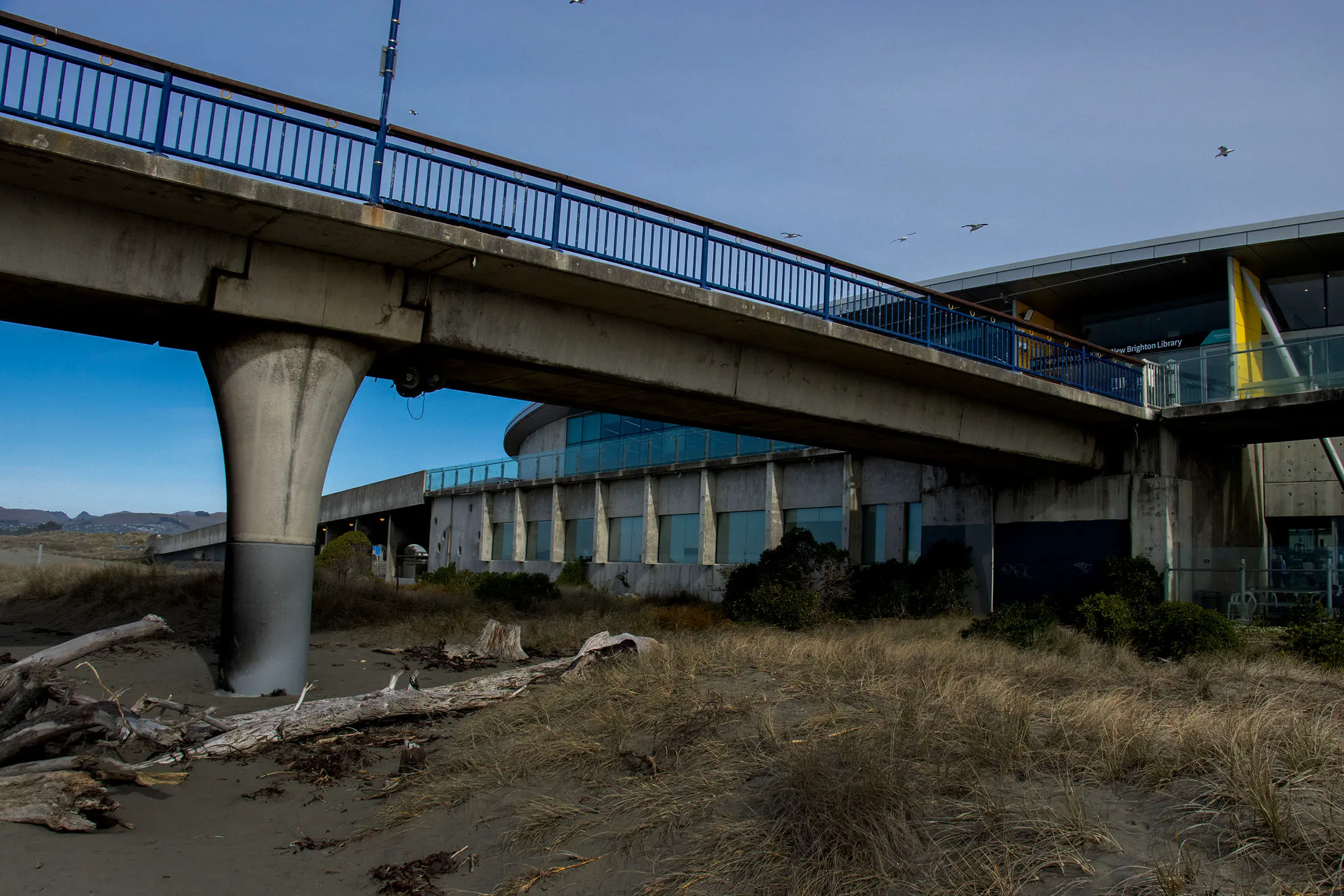
Other New Brighton residents questioned whether there is an appropriate service available to respond when a vulnerable rough sleeper is found and reluctant to accept help.
Balcar also believes the police 105 number should have contact details for the City Mission.
She emailed the mission outreach team on Saturday but they only responded on Monday morning.
Balcar said Hayley’s situation was complex.
“She has a tragic story that is complex and nuanced. Much like a lot of our homeless whānau,” she said.
Balcar rejects comments that Hayley had chosen to sleep on the beach.
“I know she was reluctant to accept help. However, what they don’t need is our judgment. We don’t know what’s led them to the situation they are in.”
Balcar said the experience exposed the need for better coordination between the city council, police, ambulance and organisations working with the homeless.
“If I didn’t have my youth work experience, I may have just given up trying to get her help as I wasn’t getting far. I’d been trying to figure out how to help for most of that day.
“There is so much need, more than I’ve seen in years, and yet the funding for our community groups is shrinking.”
Following Hayley’s death, residents gathered on the beach, laid flowers and held a karakia in her memory.
“You are now free from your suffering,” Balcar said.
The death has been referred to the coroner.