

PHOTO
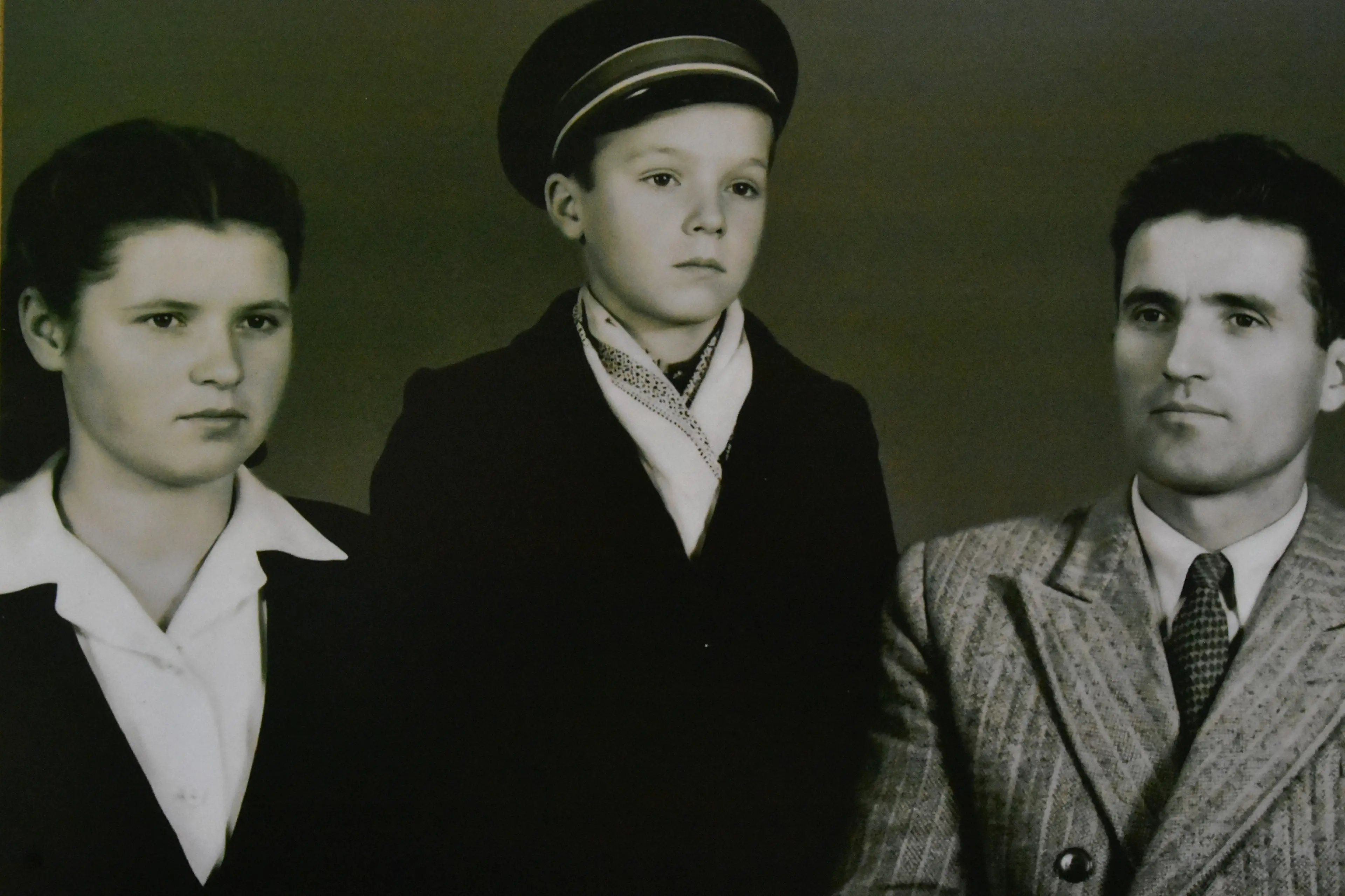
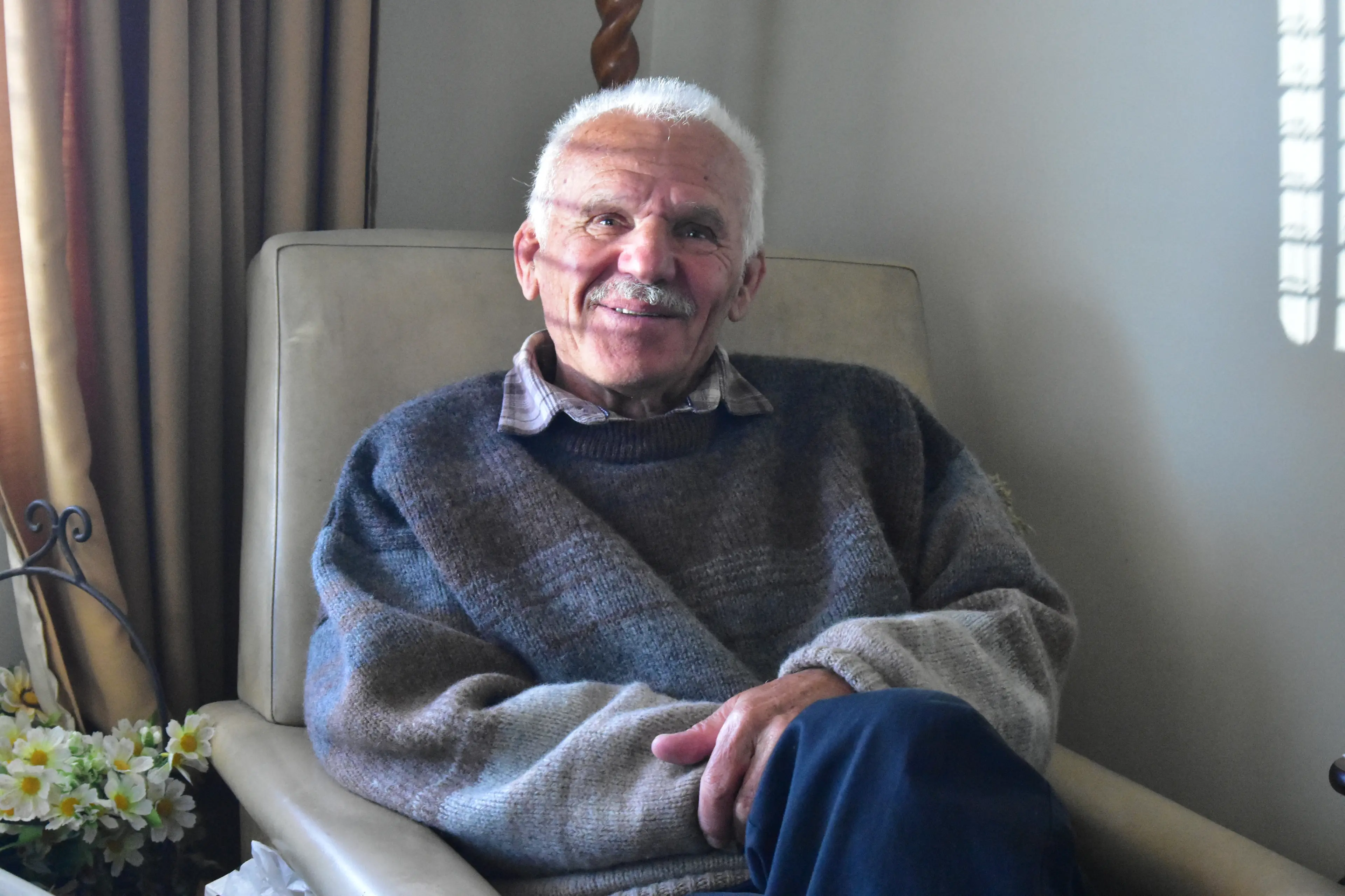
George Atlandishliev was 10 when he fled Bulgaria’s communist regime for New Zealand. The 86-year-old is now joining a reunion of families descended from the hundreds of other Eastern European refugees who arrived 75 years ago. He recounts his escape and life to Raphael Franks
George Atlandishliev cannot remember thinking much as he fled across the Turkish border with half of his family.
He just had to run.
But more than 75 years later, he can still recall almost every detail of the night he left his Bulgarian village of Levka – the date and time, the border patrol dogs barking in the distance, and having to leave his mother and one of his sisters behind.
George grew up without electricity or indoor plumbing, a world away from the house he built in Linwood and has lived in since 1963. As a child, he and his family worked the land with bullocks pulling ploughs.
His father, Anton, was a wanted man for helping people flee Bulgaria’s communist regime.
In 1950, Anton, 39, began planning his own escape with his family, setting the date for a month’s time.
“He never slept that day or that night,” George recalls.
Anton tried to persuade other villagers to join them.
It was mid-December, 1950, in the middle of winter.
When he could not find anyone else willing to take the risk, Anton returned to his family.
George said his father came home about midnight, “and he said, ‘Look, I can’t find anybody else. We’ll get away now’.”
George got up ready to go. He turned to his mother, Maria, 37, and asked if she was coming.
Maria refused, fearing she would be shot trying to cross the border into Turkey. George’s sister Shinka, 12, also decided to stay.
George said their decision to stay came as a shock and had never been mentioned during the month of planning.
He never knew why she was scared, saying there was no argument and no explanation.
George asked his father how long they would be gone. When Anton said two years, George convinced himself to go.
“Oh, mum, two years, that’s nothing, I’ll go.”
His other sister Sofka, 15, chose to come.
But while George, Sofka, their father and an uncle also named George risked their lives crossing the border, Maria and Shinka remained in Bulgaria and were punished for the escape and sent to a forced labour camp for three years.
Their experience in the camp, where prisoners were routinely tortured, malnourished and forced to work in dangerous conditions, remained largely unspoken when George returned to see his sister 50 years later.
But their experience remains a source of trauma for the family in New Zealand, bringing tears when they recall it.
It was about 3km from Levka to the Turkish border when the group reached a river, George recalls.
His uncle forded it first, wading through waist-high water while carrying a bag of bread, a few belongings and a bottle of whisky.
“He came back and took me over on his shoulders, came back, took my sister, carried her over there, and he went back for my father, carried him across the river – all in cold water.
“On the other side of the river, you start doing your whisky work, nice and warm, and you’re right again after that,” he says of his uncle taking swigs after the crossing.
George said there was not much going through his head at the time.
“We were just looking forward to it. You know, especially with the guards on the border there, when the dogs started barking, we all took off running like hell. We just kept running.”
By 6am, they had made it to Turkey.
George’s uncle used his army coat to cover the four of them from the rain as they stopped to rest a short distance beyond the border.
In Turkey, the four escapees met with the Red Cross and spent about two-and-a-half months in the country. George celebrated his 11th birthday in Istanbul in January.
Then came a question that would change his life.
“Once you got to Turkey, we were offered to come to Australia, England, Canada, New Zealand. New Zealand? Where’s New Zealand? I’ve never heard of New Zealand.”
George had heard of Australia, but when the family was told New Zealand had 60 million sheep, 30 million cattle and one and a half million people, he recalls it was an easy choice.
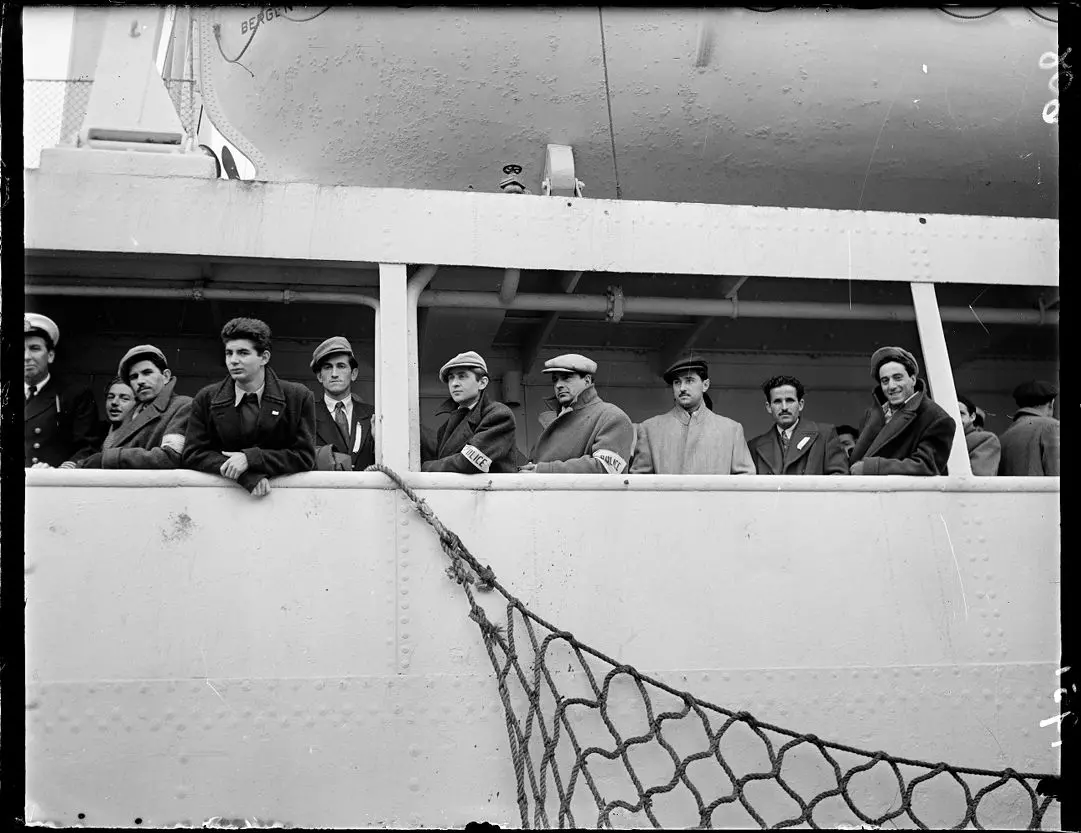
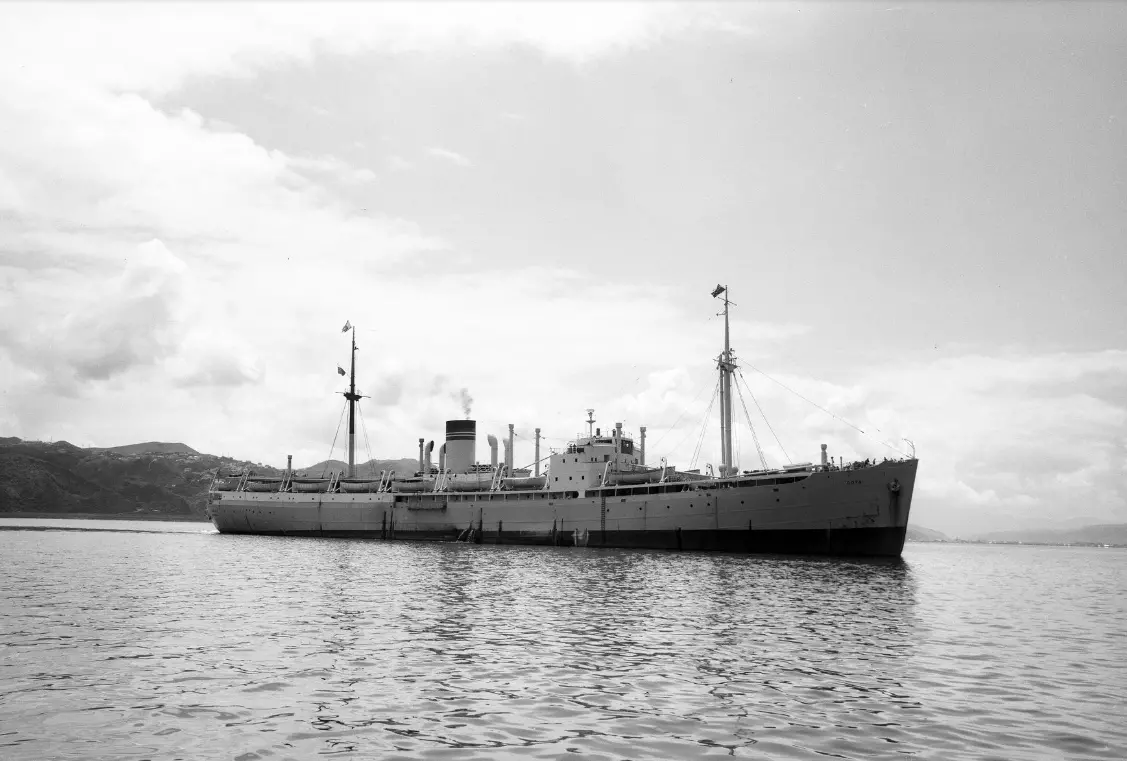
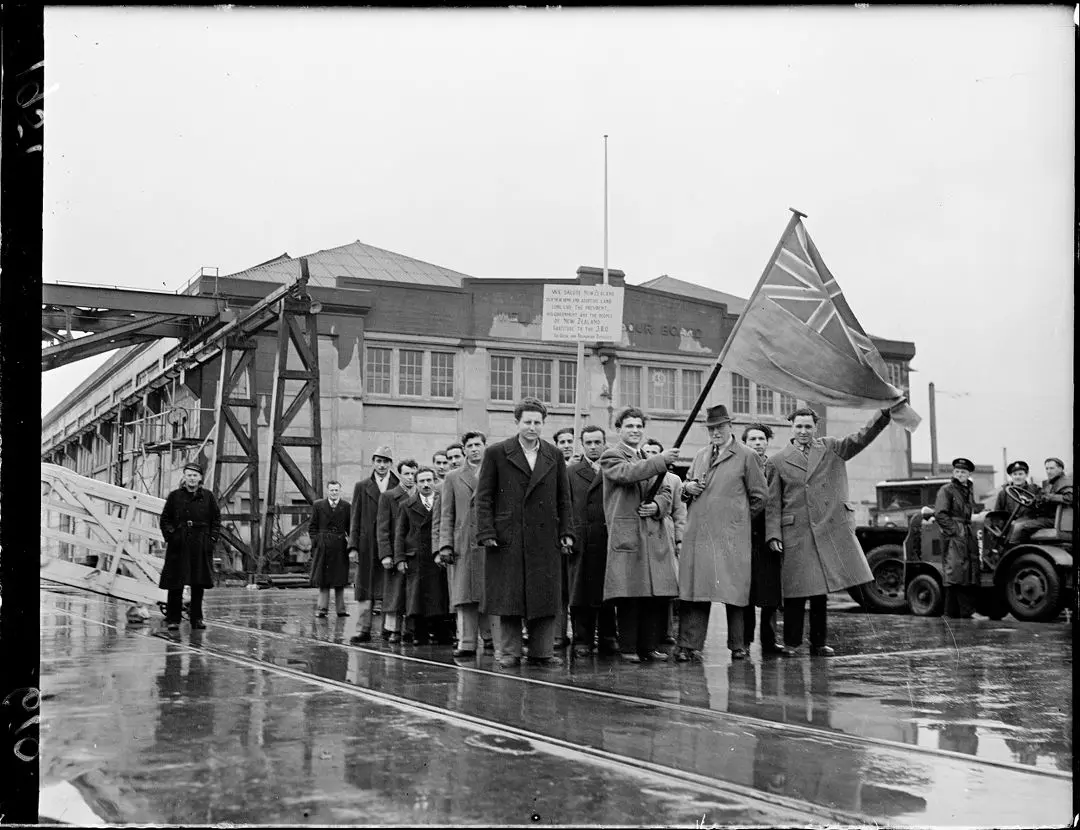
His family, along with other Bulgarian refugees who had escaped to Turkey, were taken by boat to Greece overnight. From there, they boarded the SS Goya, which left for New Zealand in March with more than 900 people on board.
“Thirty days to Australia by boat, another three more days to New Zealand. We flew past Australia, and we arrived in Wellington in the afternoon and stayed on the boat that night.”
He remembers arriving in New Zealand fondly.
“It was beautiful,” he said.
The date was May 1, 1951.
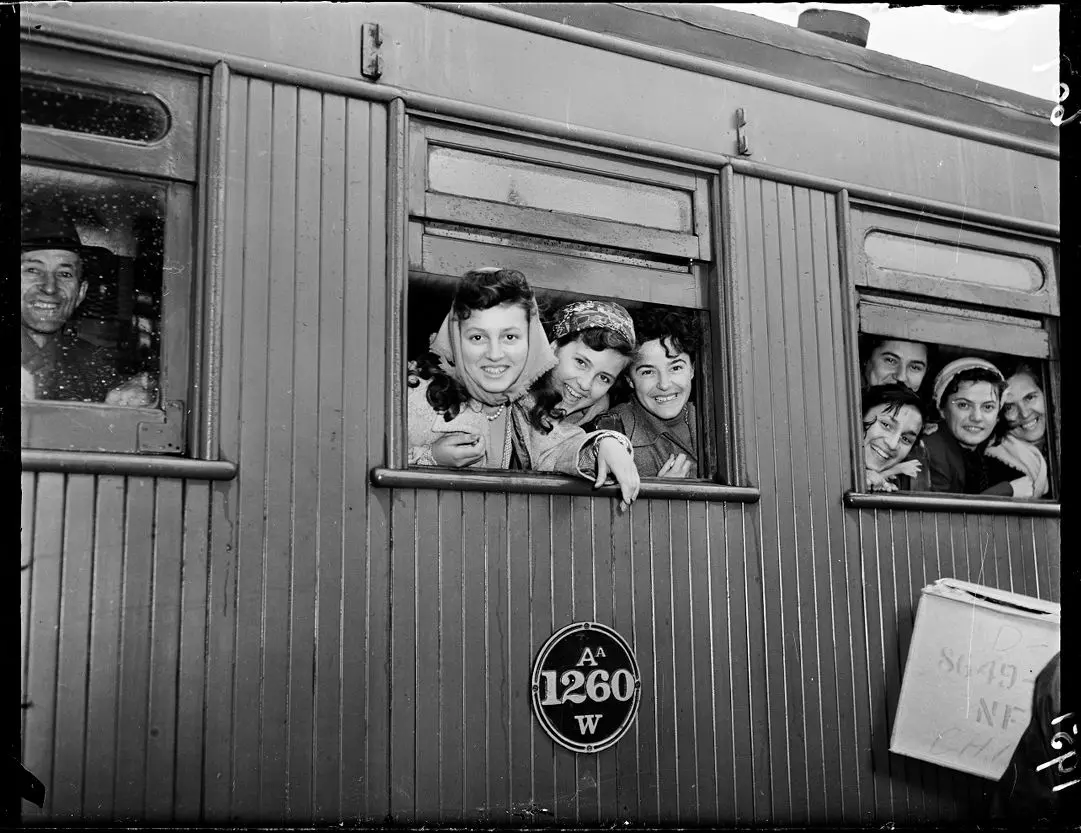
The Goya’s passengers were taken by train to Manawatū, where they stayed at a military camp in Pahiatua.
For the next three months, the refugees were taught English, along with New Zealand customs and laws.
“The chap who brought us down here was Mr Thorpe, D. G. Thorpe,” a returned World War 2 serviceman with experience in Eastern Europe who billeted the family in his Cashmere home.
George’s father had already picked Wellington as the city where they would settle, but Thorpe advised them about Christchurch and its flat landscape, which was ideal for cycling.
The family liked the sound of it, and by September, George had started at Cashmere Primary School.
He later lived on Fendalton Rd and Ashgrove Tce in Somerfield, before his father eventually settled the family on Strickland St, where Anton remained until he died in 1992.
Along with his father and uncle, George worked at the Islington freezing works.
Anton ran an illicit whisky still and sold bottles to his friends. He was also a keen gardener, growing tobacco, tomatoes and other crops on his property, and selling pickled onions and other fruit and vegetables outside The Sandridge Hotel and Motel on Colombo St in Sydenham.
George stayed at the freezing works as a butcher and pelterer until it closed in 1988, ending a 30-year career with a redundancy package of about $50,000.
He then moved to G L Bowron & Co’s tannery in Woolston, where he stayed for another 18 years.
His sister Sofka married another Bulgarian refugee who came to New Zealand on the Goya’s second passage, Ivan Kumbaroff, who worked at Austral Standard Cables in Sockburn.
Their daughter, George’s niece Maria Kumbaroff, says Sofka was the second member of the family to return to Bulgaria.
Their father, Anton, was the first, visiting in the 1980s.
Anton, who remarried in New Zealand, managed to reunite with his wife in Bulgaria, Maria, before he died in 1992.
Anton “never said much” about what it was like reuniting with her, George said.
By the time George visited in 1999, his mother had already died.
Never seeing his mother again was a reality George just faced: “After 50 years, you forget about it; that’s how I thought about it.”
When he met his sister Shinka again, they stayed awake talking until midnight.
The time they spent together again was “great days”, George said.
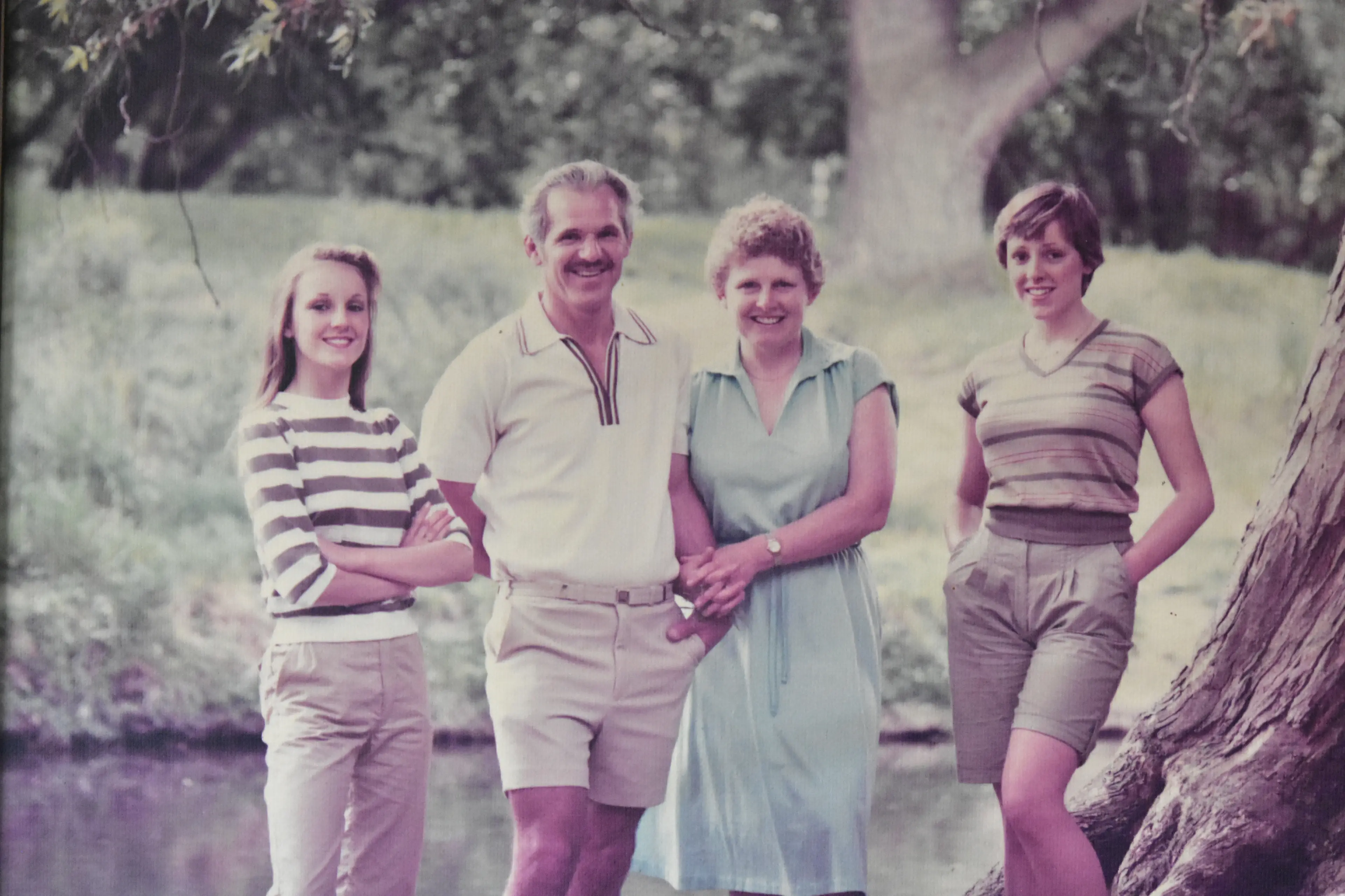
George and his daughter Susan spent about five weeks travelling in Bulgaria and meeting extended family George had not seen for 50 years.
Susan recalls how emotional it was meeting her family and other villagers who were waiting to meet them, wearing their traditional Bulgarian dress.
“We went to dad’s sister in the village. She had told all the villagers that we were arriving, and she hadn’t seen her brother since she was young.
“And we pull up and all the villagers, they had the scarves on, the aprons, they’re all lining up, and they all had presents for us.”
George, on the other hand, fondly remembers the cheeky surprise he sprang on one of his aunts.
“I went to my village, and I thought to go see my auntie. I got there, and I said to her, ‘Where are your brothers, Anton and George?’”
She told him they were “way overseas”.
Referring to himself, he asked, “Where’s young George?”
She said he was overseas too.
“I said, ‘No he’s not, you’re talking to him’.”
Over the years, George returned to Bulgaria three more times, his last visit being in 2010.
His sister Shinka, now 89, still lives there.
He has no plans for another trip in the near future.
Instead, his next journey will be back to Pahiatua, where a gathering and reunion for descendants of displaced persons will be held on October 17 and 18.