
PHOTO
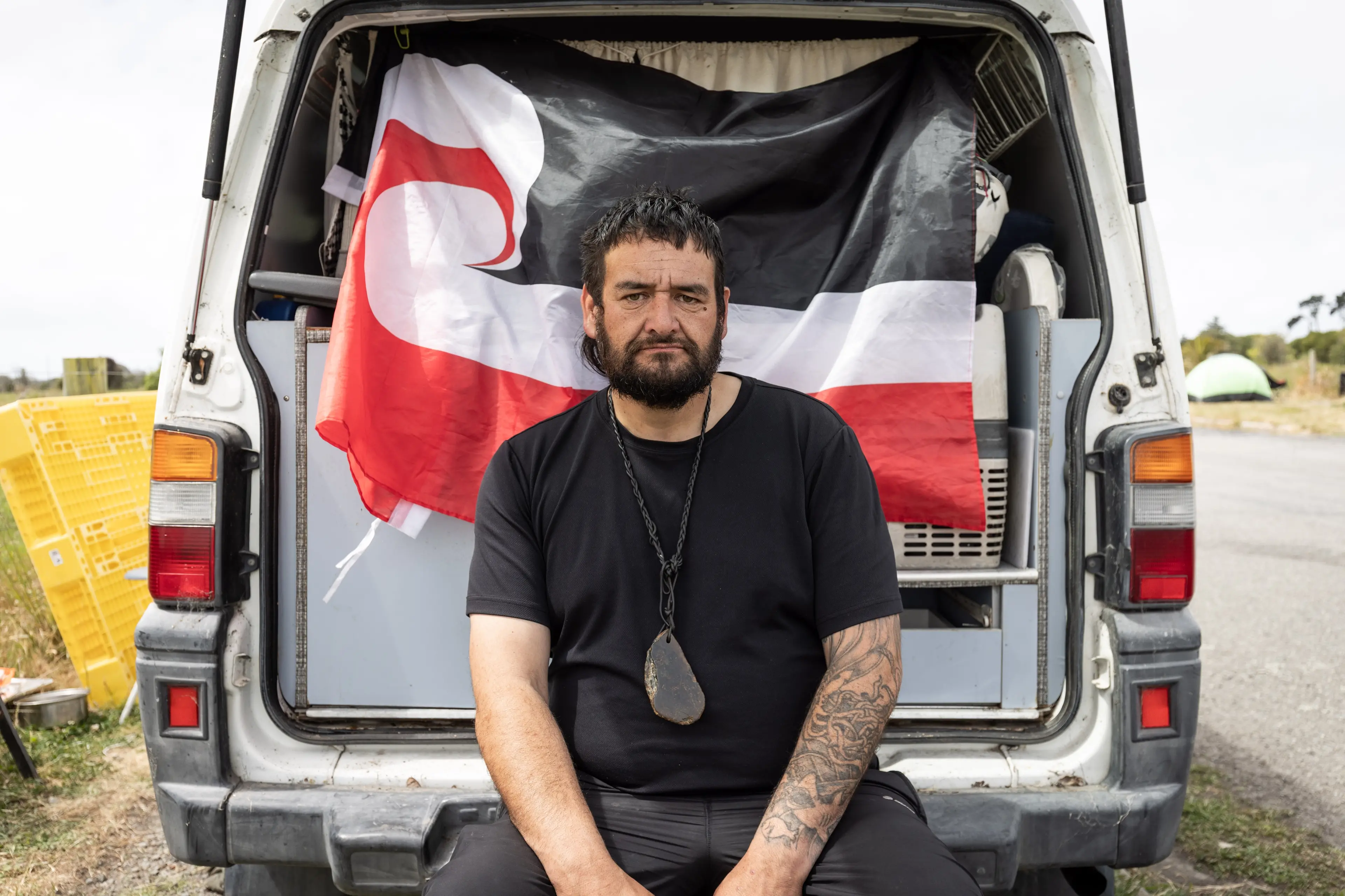
A homeless man living in Christchurch's quake-damaged red zone has called on the city council to back down from its plan to evict the community.
Christchurch City Council has ordered dozens of homeless people living in the red zone near the Avon River to leave their makeshift camp by the end of February.
Leaflets were handed to the community of about 60, giving them the deadline for early next year.
Moko Reuben addressed councillors during a public deputation at Wednesday's meeting.
The red zone had gradually become a last-ditch haven for people without housing since the earthquakes, Reuben said.
"Those also excluded from the rental market are living in vehicles, caravans and we're living in makeshift shelters and unable to access state or community housing," he said.
"This is not a choice of convenience - it's a response to the systemic lack of options. The coming move-on order removes even the precarious foothold with no confirmed alternative housing or support plan in place."
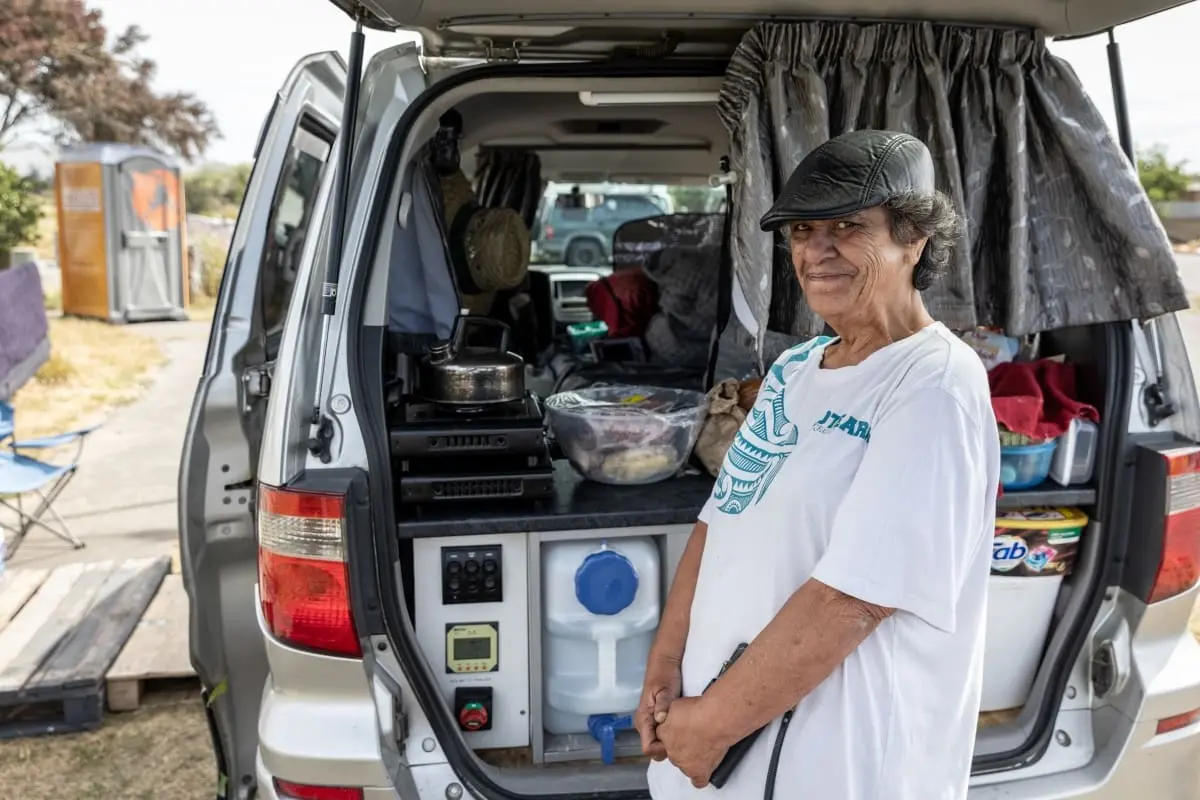
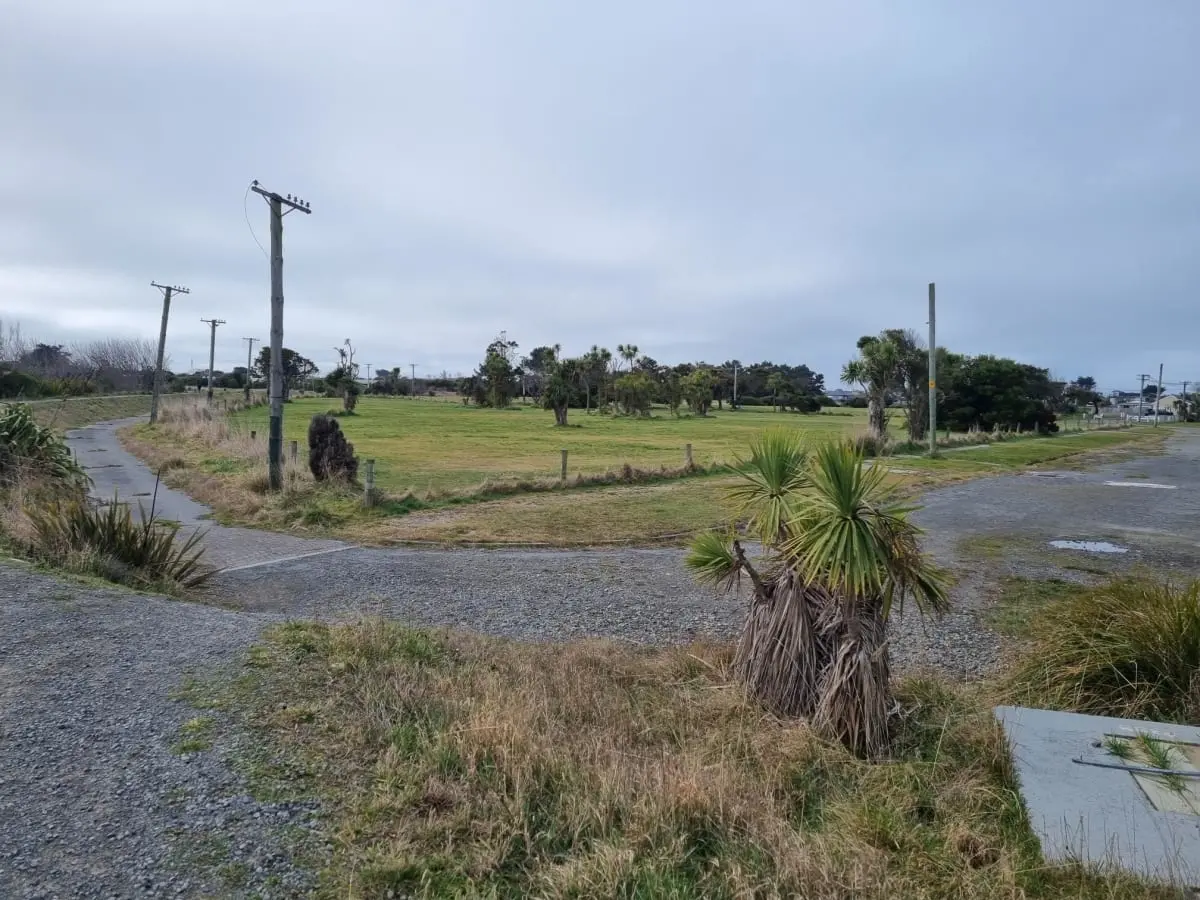
The red zone camp - land cleared of homes due to earthquake damage - stood near the edge of the Avon River in Wetlands Grove in Bexley, a street abandoned after the 2011 earthquake and now lined with cars, caravans, buses, tents and a few ramshackle structures used as homes for a growing community.
The council had provided some support to those living there, including portaloos and rubbish skips.
But the council has said it ultimately planned to flood the area to turn it into wetlands.
"On the 28th of February, authorities will enforce a formal move-on order requiring all people and informal structures to leave the red zone," Reuben said. "To date there's been no public-funded or scalable housing response tied to this deadline."
No alternative housing options had been offered and moving them on would cause a bigger health crisis, he said.
"The impacts and risks of enforcing this order without prior preparation will lead to severe, predictable harm, escalated homelessness and displacement," Reuben told councillors.
"It's going to be a big shift. We want to pause... because we need to find that suitable place that we can go."
Fellow community member Ngawai Timu, who sat beside Reuben during the presentation, said the loneliness some felt in transitional housing was a possible reason why the red zone community was so big.
Plans for a caravan park in the red zone had also been given the green light by the Ōtākaro Avon River Corridor Regeneration Committee, a newly formed co-governance committee with representatives from council and mana whenua, following an application from the Motor Caravan Association.
The committee voted unanimously on Tuesday to support the proposal to move to the next stage, requiring the association to meet several conditions, including providing more detail about using the site and doing contamination testing and any necessary clean-up.
