

PHOTO
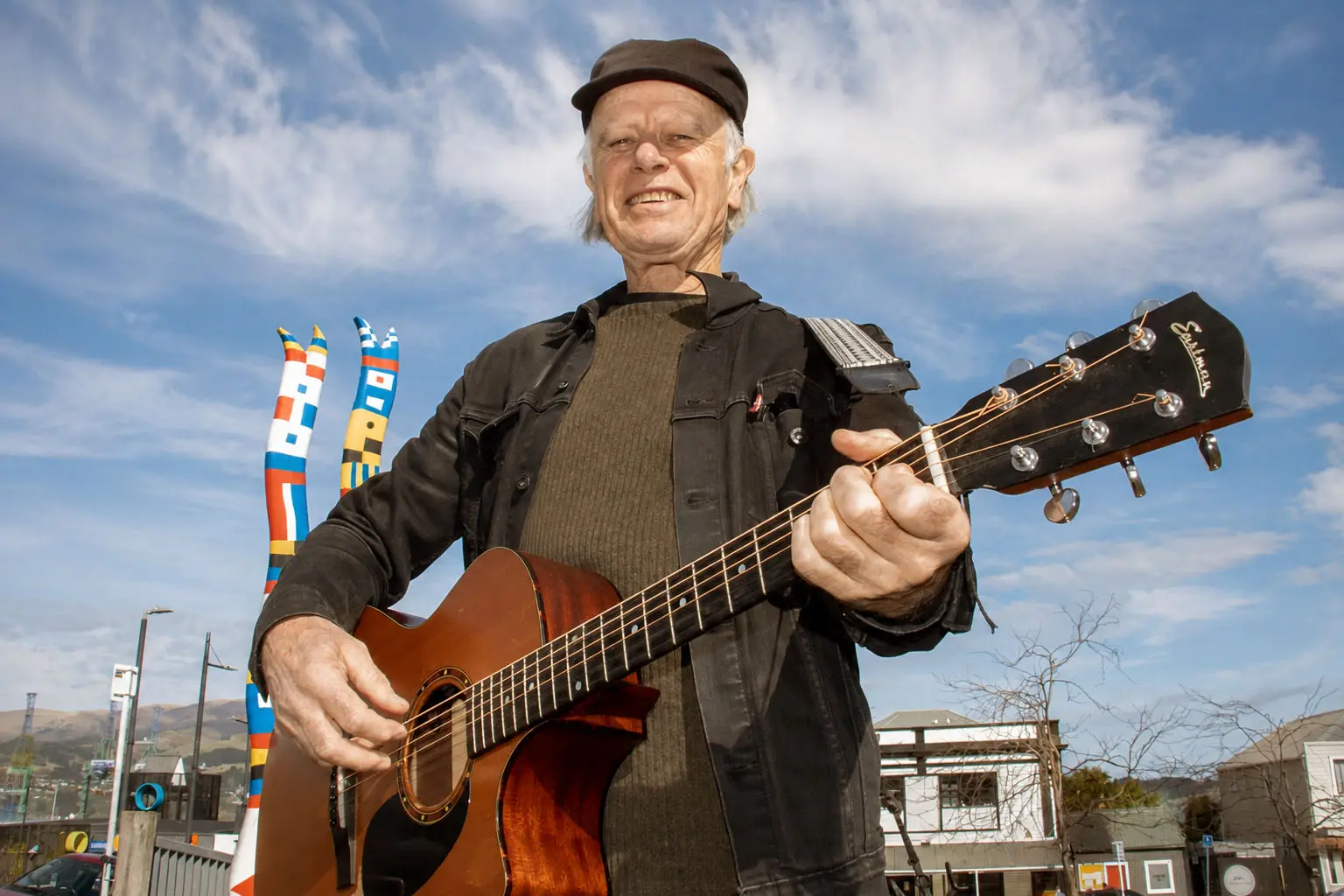
From playing a menacing pimp in the Dance Exponents’ Victoria music video to dating filmmaker Jane Campion and fronting one of the city’s best-loved pub bands, Al Park has lived a colourful life.
But after 50 years on the Christchurch music scene, the 76-year-old has no plans to stop playing just yet.
“I’ve been around for a long time. I didn’t think I’d be,” Park said.
He will celebrate the milestone on Sunday with a concert at the Christchurch Folk Music Club, performing songs spanning his career, including some that have never been recorded.
“They’re mainly folky songs, I like that kind of space,” Park said.
Music has taken Park through five decades of Christchurch nightlife, from the early punk and new wave scene to the packed pubs of the 1980s and the live venues he later helped establish.
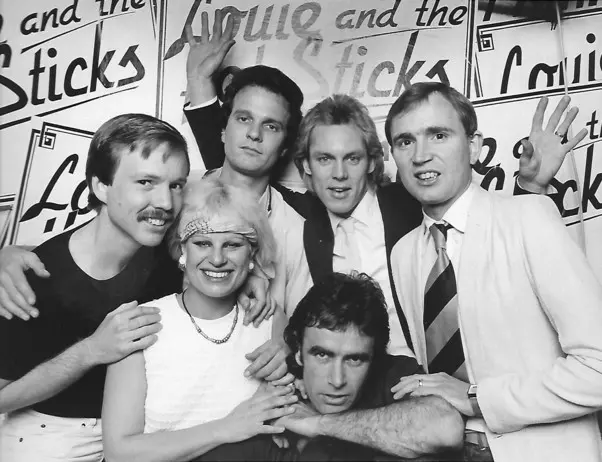
His most celebrated chapter came with Louie and the Hotsticks, whose blend of soul, Latin, blues and rock made them one of the city’s most popular pub bands.
“Things always come and go, but it was a golden period of my life,” Park said.
“There’s times some weeks where it can be five or six different people coming up to me and going, ‘Oh Louie and the Hotsticks’.
“Some of them, I swear to you, could not have been there.”
The Hotsticks are about to get back together, with a reunion planned for November.
Park will be joined by original members saxophonist Danny Wilson, guitarist James Walmsley and singer Helen Mulholland, with dates to be announced at the end of the month.
It is a reunion that almost didn’t happen.
“It’s kind of weird because both the Waynes, drummer Wayne Beecroft and bass player Wayne Jamieson died,” Park said.
“Wayne Beecroft, who was younger than me, was the first to go.”
The band had planned to reunite in May 2017, but Beecroft called Park in February with devastating news.
“That reunion we’re going to do in May, I’m not going to make it, mate. I’ve been given three months.”
“He pretty much died the weekend that we were going to do the reunion,” Park said.
“That was real sad. He was so unique that we kind of went, ‘oh well, that’s probably it (for Louie and the Hotsticks)’.”
“Wayne Jamieson, the bass player, also died a few years ago.
“We said when are we going to do this ever?
“Helen, who lives in Sydney, said ‘look, I’m coming over in November’.
“If we’re going to do anything that’s got to be now,” Park said.
The Hotsticks were contemporaries of the Dance Exponents, with both bands rehearsing in an old bank building on High St.
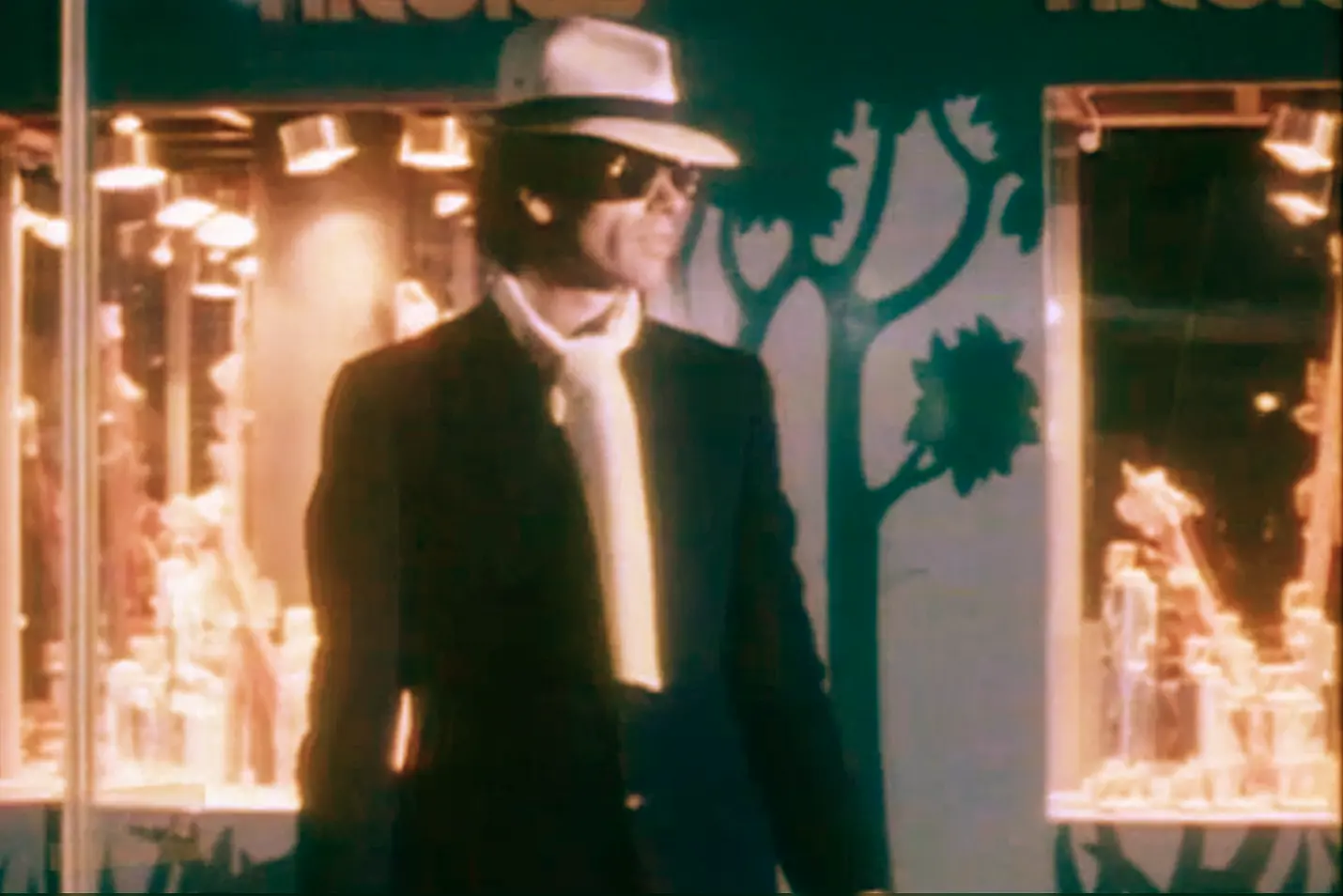
That connection eventually led to Park appearing in the Dance Exponents’ 1982 video for Victoria, playing a menacing pimp.
It was just one of several unlikely chapters in Park’s life.
While studying geography and arts at Victoria University in the early 1970s, he met and dated future Oscar-winning filmmaker Jane Campion.
“I was her first boyfriend. We were together for a couple of years but had a pretty tumultuous breakup,” he said.
“I was a bit of a rogue back in those days.”
Park later found out that Campion’s 2013 drama series, Top of the Lake “featured a bent paedophile cop – everything that’s bad,” Park said.
“She called him Al Park, but after a bit of tweaking changed it to Al Parker.
“I was always amused by that.”
Park arrived in Christchurch in 1975, aged 24, and opened a second-hand shop called Junkit on Papanui Rd.
After selling his share two years later, he bought a cottage in Lyttelton.
Music had always been an interest, but Christchurch was where he began performing seriously.
He formed punk and new wave band Vapour and the Trails with friends, and within 18 months the group had secured a residency at the Gladstone Hotel.
Park was the guitarist and singer and wrote some of the band’s material, although most of its songs were covers. He left in 1979.
He went on to play in a string of Christchurch pub bands, including Old Denis, Big Elvis and the Latter Day Sinners, performing at venues such as the Gladstone, Star and Garter, Hillsborough Tavern, Aranui Hotel, Sandridge Hotel and Marine Tavern.
However, it is Louie and the Hotsticks that Park is best known for.
After living in Los Angeles for a year, he returned to Christchurch in 1981 inspired by the rhythm and blues scene he had experienced there.
“I was a huge fan of lots of music, I really travelled the musical spectrum,” Park said.
However, it was Kid Creole and the Coconuts he enjoyed the most.
“I loved what he was doing with that Latino thing. He really influenced me a lot with Louie and the Hotsticks with him being the kind of sharp, hipster guy,” Park said.
Determined to bring that sound to Christchurch, Park formed Louie and the Hotsticks.
In 1982, the band took up a residency at the Marine Tavern in Sumner.
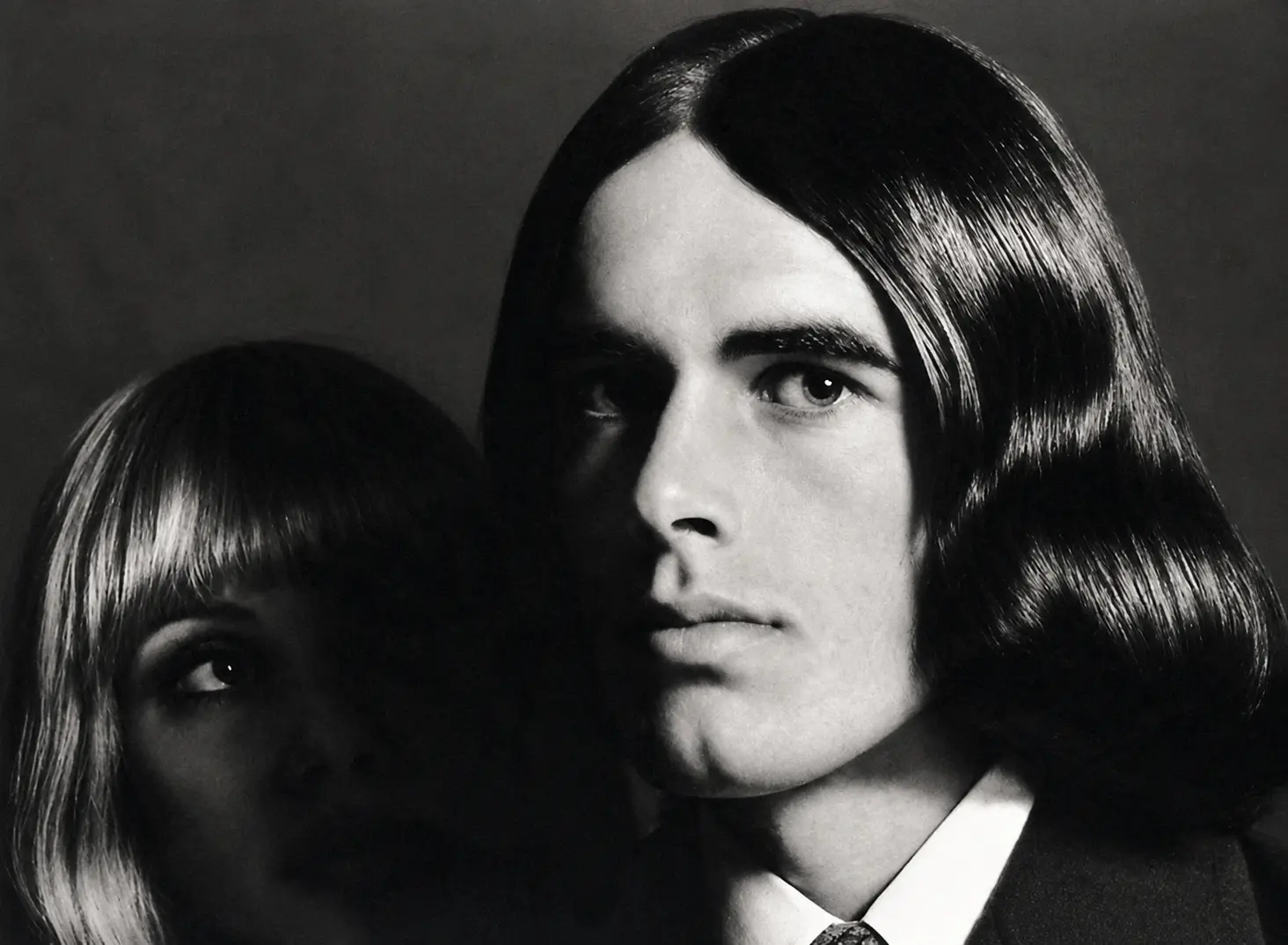
Entry cost $3, and the venue quickly became packed every weekend.
“We were getting pretty good money for a band in those days, doing a regular gig, not having to go anywhere.”
The band had negotiated a deal to take all the door takings if it handled the advertising and doorman.
“We would do over 1500 bucks on a night, on a Friday,” Park said.
The band’s popularity was driven partly by its difference from what was happening elsewhere in Christchurch.
Along with original material the Hotsticks played an eclectic mix of soul, latin, blues and rock.
Park said there were a couple of reasons why he thinks the band was so popular.
“It was out of sync with what was happening in Christchurch in the 1980s, but it proved to be really successful,” Park said.
“It was just a really great vibe at the Marine.”
But the residency ended after three years following a falling-out with owner Ken Sheard.
The problem was the 11pm closing time.
“In those days, you finished at 11pm. And so you could work three hours and three sets, you bring the thing to a frenzy, and then you had to finish.”
“You weren’t really allowed to play past 11.
“Of course, there were nights when, with the excitement and everything, we played past 11.
“And Ken started getting pissed off with me.
“One Friday night he said, ‘this was the last time you play past 11 o’clock, you’re out of here’.
“I don’t know why I did it, but I did it on the Saturday night, you know, now it’s like five past or whatever.
“He’s at the side of the stage, I see him there and I know what’s going to happen.
“He sacked us.”
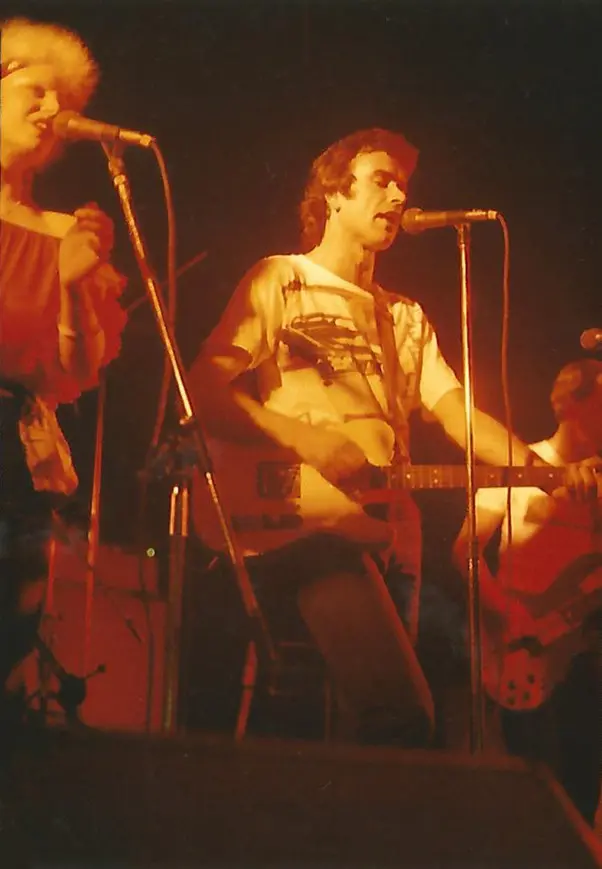
Louie and the Hotsticks then played at The Aranui in 1985.
“They had been trying to get us there for years.”
“We went into a big sound system, did more people, but it wasn’t as good.”
Six months later, Walmsley completed his master’s degree and moved to Wellington to take a job with IBM.
“We were all really close, a family essentially but once we lost Jimmy, were all different people,” Park said.
A new bass player was brought in, but the chemistry was off.
“Things never ended badly with the Hotsticks. In fact we started doing reunions a year later,” he said.
He formed another band, Big Elvis, which played Friday and Saturday nights for two years.
“We had big crowds, but not nearly as many as Louie and the Hotsticks.”
For Park, however, music was never about fame.
“I’ve never had too big an ambition. That could be bad. I wanted to play music but I didn’t want to be a big star. I didn’t want to go touring.”
Instead, he built a life around music in Christchurch.
“I’ve been blessed to have such a nice little life in Christchurch.”
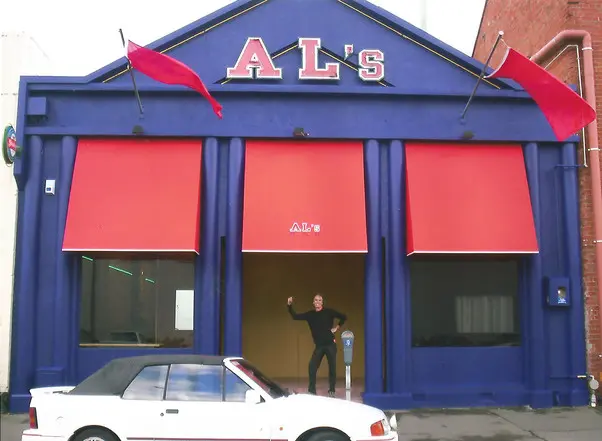
Park was involved in establishing Mollett St, the city’s first punk venue, in 1976. He later managed the second-hand section at Echo Records before leaving in 2004.
In 2006, he opened Al’s Bar in Dundas St, which became a major live music venue for local and international acts before the building was destroyed in the 2011 earthquake.
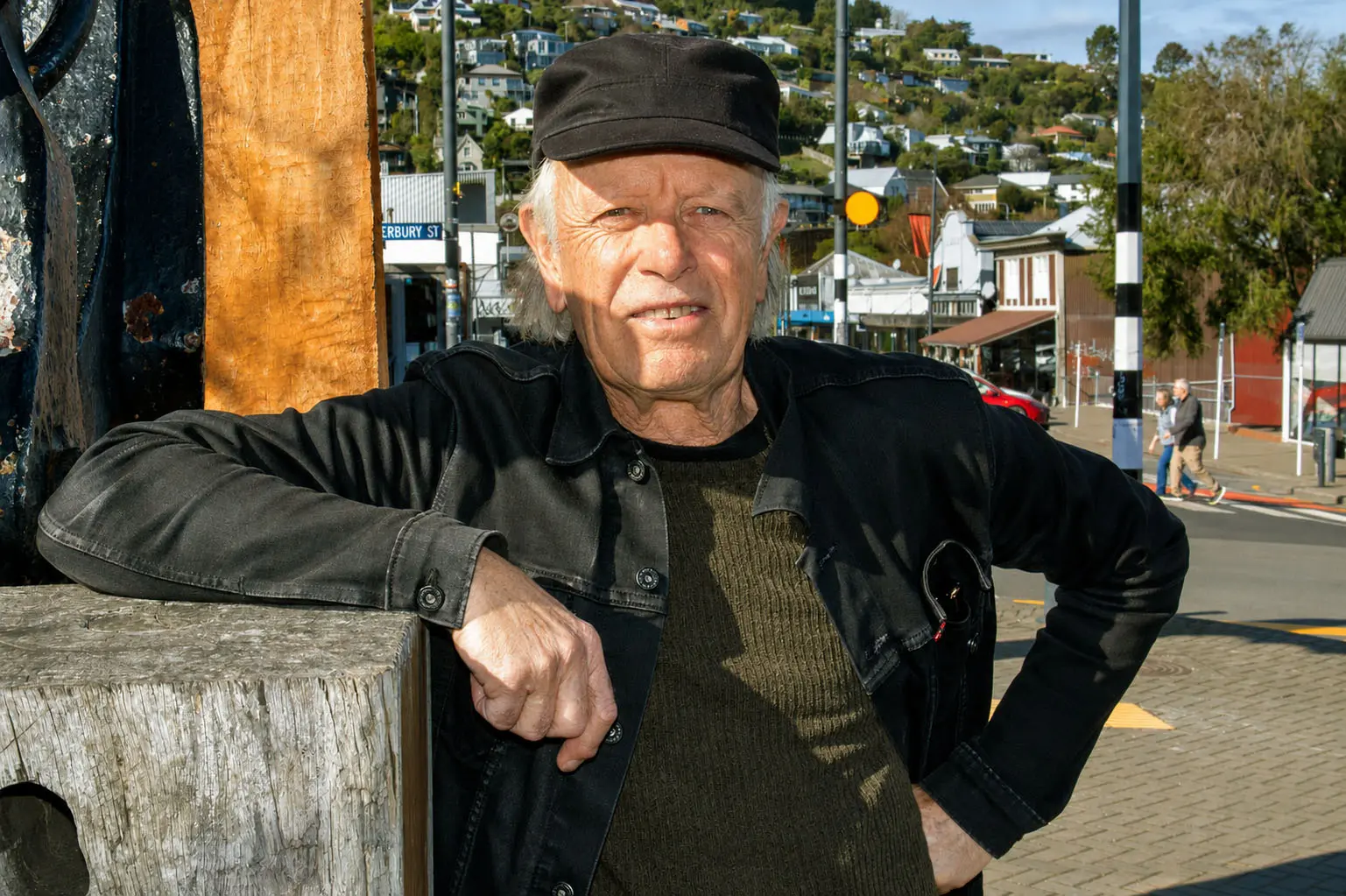
A Lyttelton resident, Park continues to perform locally at The Commoners Bar & Eatery with his band Al P and his P.A.Ls.
He does not know how much longer he will keep doing it.
“Dignity is a thing I’ve always believed in. I think it’s important to have knowledge of yourself that you know you’re not making an idiot of yourself, so that will play a part in it,” he said.
For now, though, there is the Sunday concert, the November reunion and more music to come.
“As long as I can play and sing, I’ll be okay.”
• Tickets for Al Park’s celebration show are available at folkmusic.org.nz/al-park/