
PHOTO
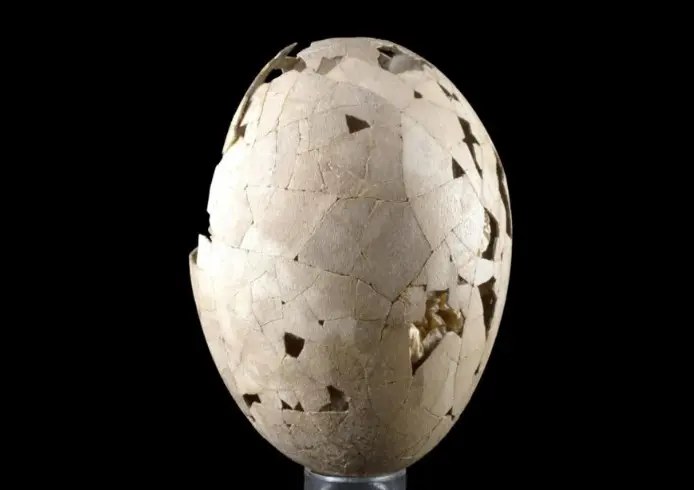
A rare South Island moa egg will return to New Zealand from the United States after resurfacing at a public auction and selling for about NZ$18,500.
There are fewer than 37 known - mostly intact - moa eggs left. The giant bird is believed to have gone extinct roughly 600 years ago.
Colossal Biosciences, a de-extinction company, acquired the egg and announced its return to Ngāi Tahu research leaders on Monday at the Christchurch Town Hall.
Auction records show the egg was sold for US$10,500 — about NZ$18,500.
Colossal, backed by filmmaker Sir Peter Jackson, has been working on a project to bring moa back from extinction in an artificial form.
The company hatched several artificial moa chicks in May after collecting samples of fossils across Te Waipounamu.
Colossal chief executive Ben Lamm said the return of the egg was part of the company's commitment to indigenous leaders to guide the science and decisions behind the moa programme.
"To quote Indiana Jones: 'It belongs in a museum'. A museum in Aotearoa, under the care of the people whose ancestors lived alongside these extraordinary birds. We are honoured to help return it home."
The egg is set to be physically returned to New Zealand by December through private transport.
The auction records suggested the egg originated from a human burial site dating to the Moa Hunter period (AD 1300) and was discovered in New Zealand in 1966.
The egg was in a private American collection for about six decades before Colossal purchased it from Artemis Gallery in Louisville, Colorado, in June.
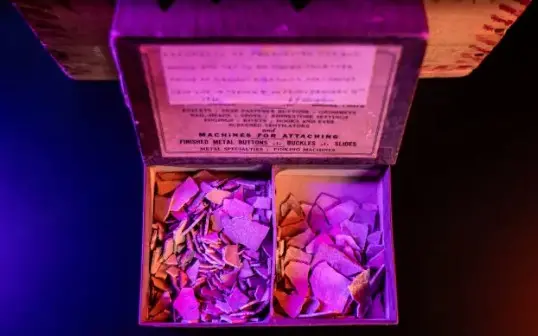
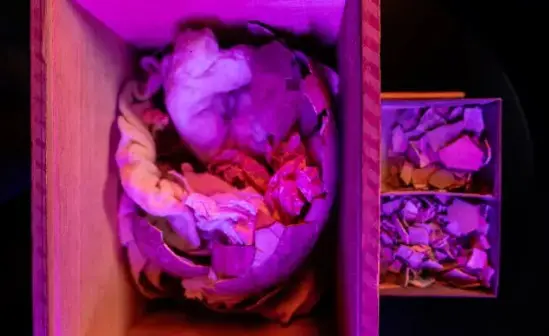
The shell was still being put back together from its broken fragments, and measured about 22 by 17 centimetres. More analysis may help figure out its species and place of origin.
Intact moa remains are now protected objects that cannot be exported without permission from the Ministry of Culture and Heritage. However, this egg left New Zealand before this law came into effect in 1975.
Investor Jackson said he was delighted the treasure would be in the care of Ngāi Tahu.
"Every New Zealander grows up knowing the moa and feeling its loss.
"Whenever I've been walking deep in the New Zealand bush, I can't help but keep looking into the thick forest, hoping for a glimpse of the mythic 'last moa' - an amazing bird that sadly no longer exists, no matter how hard you look."
Ngāi Tahu archaeologist Dyle Davis said moa eggs and bones helped reconstruct the story of the moa and the people who lived alongside them.
"To see an egg of this rarity return to Te Waipounamu is extraordinary. It carries information about the moa species that birthed it, the landscape it came from and potentially the people connected to it.
"Most importantly, it will now be cared for and further researched in collaboration with Ngāi Tahu researchers, where decisions about its future can be guided by tikanga and grounded in the place to which it belongs."
A 2005 survey by Brian Gill found that all known moa eggs were in public collections: four at the Natural History Museum in London, and the remainder in eight New Zealand museums and research collections.
