

PHOTO
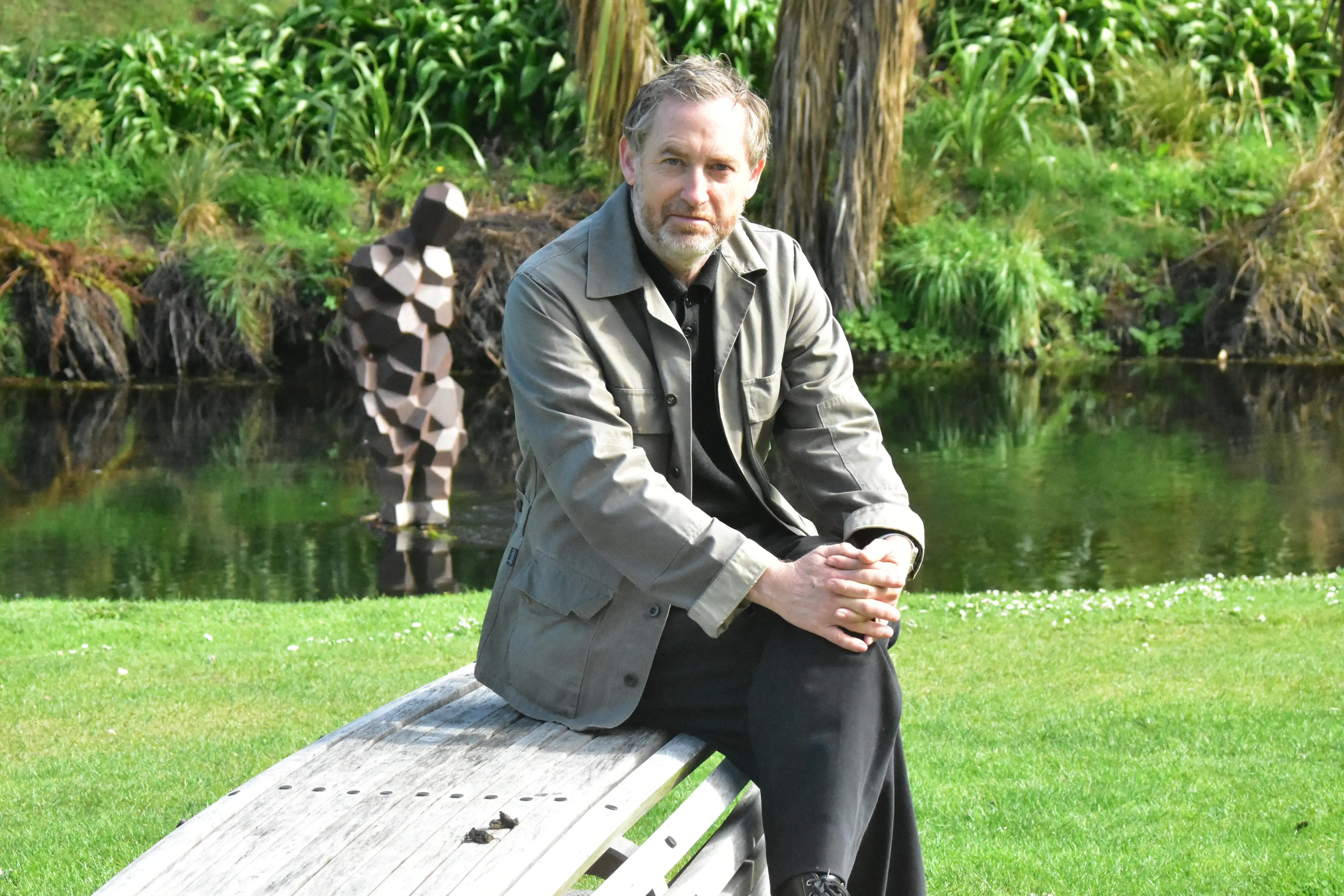
Aaron Kreisler wants to interrupt your daily routine.
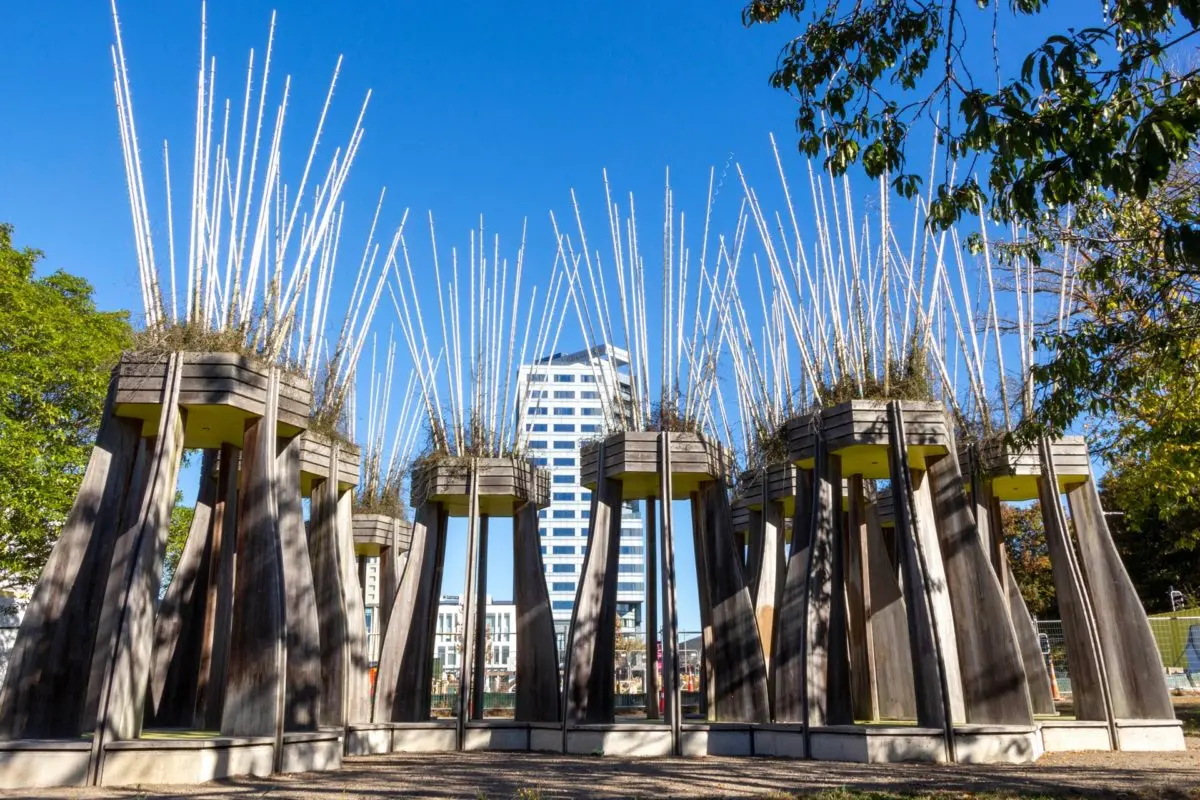
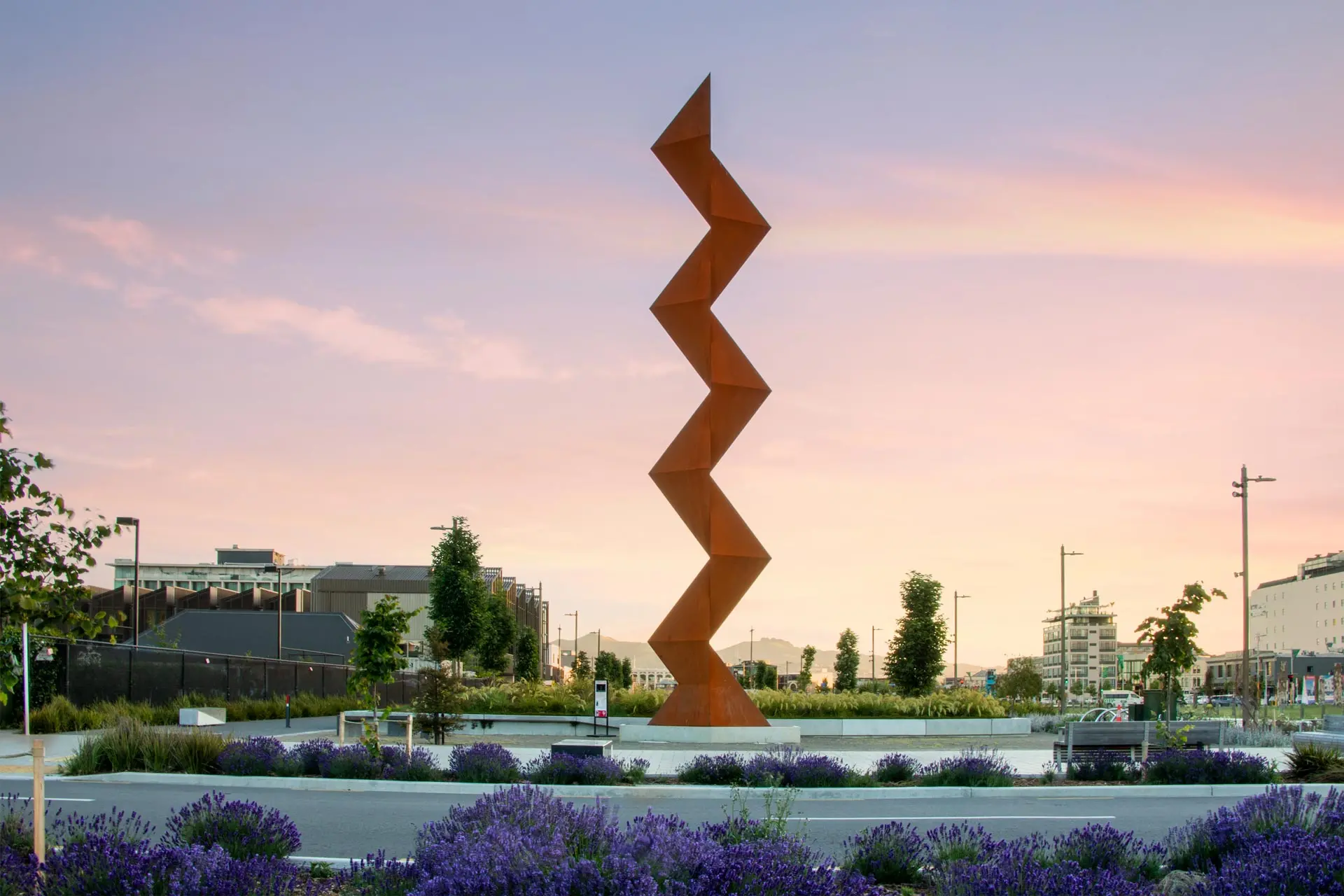
As the newest managing curator at SCAPE Public Art in Christchurch, Kreisler wants artworks to make people stop and look.
“If there’s a ‘What is that?’ moment, I think you’ve achieved something.”
Kreisler, 54, says his SCAPE role, which he juggles with his day job as head of creative and digital arts at Canterbury University, is to tap into the “moment that we’re in” and select works that represent it.
“I’m interested in civic space as a place for discussion.”
SCAPE’s season starts at the end of October.
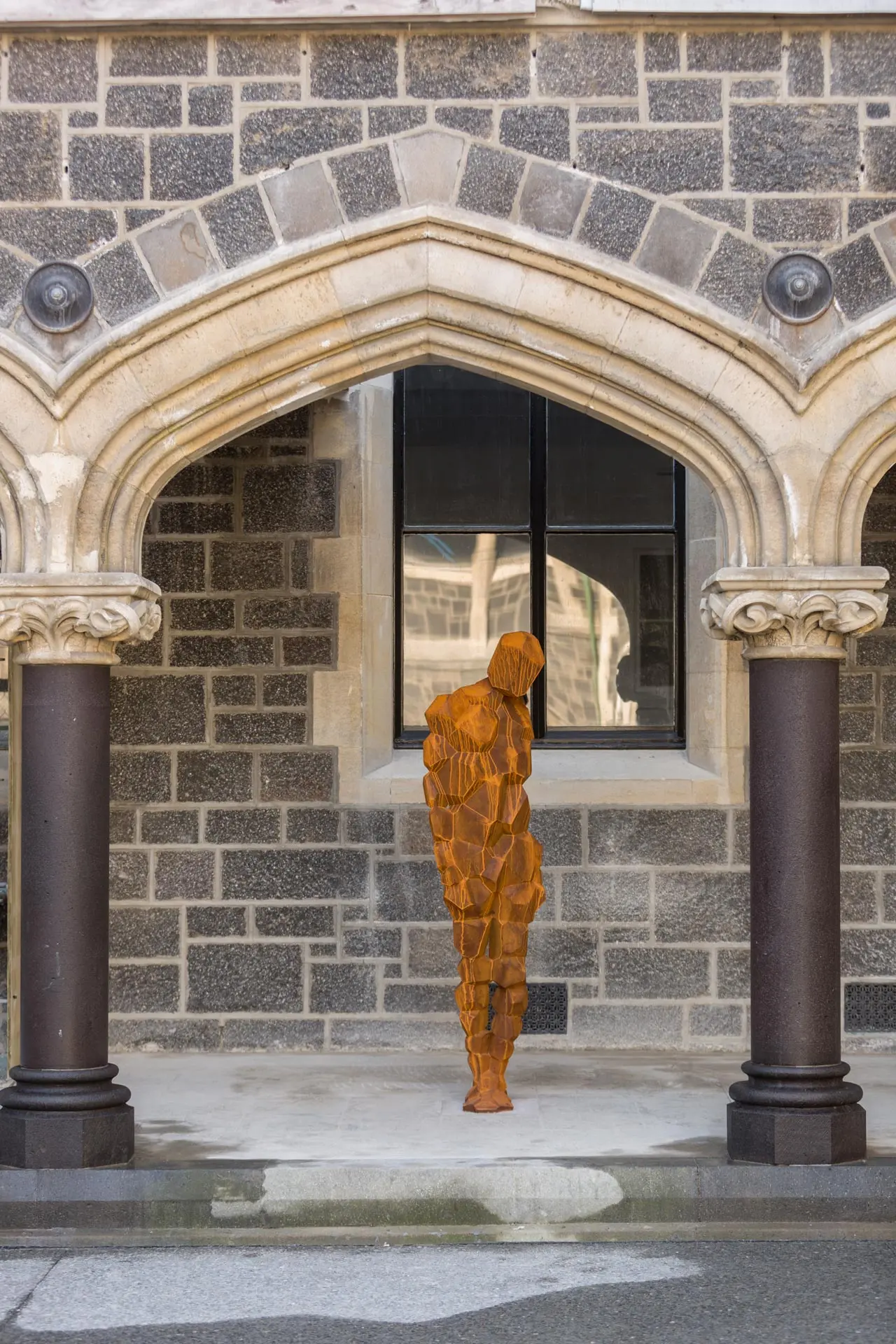
Kreisler says it is titled Waiting for the Tide and involves six artists. Sites for the artworks are still being selected, and the logistics of installing the works are being worked through.
“People will see something that is unexpected, and they might not even be going to see SCAPE’s work. It might just be something that interrupts their daily routine.”
The title references global political and social uncertainty – the sense that the world is running out of time or waiting for “something seismic” to happen.
“I think we’re in a really interesting historical moment where there’s a lot of uncertainty about, say, politics or our kind of social engagement with one another, what the future holds, the markers of the past, what we keep and what we remove.
“It’s a thing that allows you to think about the moment we’re in, and just to speculate on it.”
He knows some people will bristle at the cost. He also knows some will not like the artworks.
But that, he says, is part of the point.
“You’re also there to challenge people,” he says.
“What I’m interested in is the discussions that come out of public art. Often the discussions can be quite heated.
“It’s about the rights of who places things within the public realm and the reaction of the audience to that, rightly or wrongly.”
Kreisler has spent most of his life around art. He comes from an artistic family and got his first taste of the professional world as a high school student, interning at the Govett-Brewster Art Gallery in New Plymouth.
Both his parents, Tom and Lesley Kreisler, were involved in art. His father attended the Ilam School of Fine Arts alongside printmaker Barry Cleavin and pop artist Dick Frizzell during the 1960s, and was taught by prominent artists Bill Sutton and Rudolf Gopas.
“My father was an art teacher, and he was an artist. My mother was a ‘home ec’ teacher who eventually opened a gallery.
“People like Bill Sutton would come up and stay at our house, as well as other artists and curators. So it’s just always been there.
“It’s always been my life,” he said of working in art.
After high school, he studied art history at Otago University before completing a master’s degree at Auckland University.
While at Auckland, he heard a speech from then-Auckland Art Gallery director Chris Saines about finding a link between the university and the gallery.
“He said, ‘I’m trying to find a bridge between the university and the art gallery’, and I was pretty precocious, so I booked in to meet him the next week.
“And I said, ‘I am your bridge’.”
He began working at Auckland Art Gallery’s research library before becoming a curatorial assistant.
In about 1997, Kreisler took a teaching job at the Waikato Technical Institute, where he set up and ran the polytechnic’s RAMP Gallery.
Before another teaching job at Massey University in 2002, Kreisler took a break from education to work on the set of The Last Samurai starring Tom Cruise, buying plant materials for the movie’s ‘greens’ department.
His father died during this time, and Kreisler had to take on management of his artist estate – preserving, cataloguing and administering artworks and archives – which was a steep learning curve.
At Massey, Kreisler set up another gallery, The Engine Room.
After relocating south, he became curator of the Dunedin Public Art Gallery in 2006, where he produced more than 50 exhibitions.
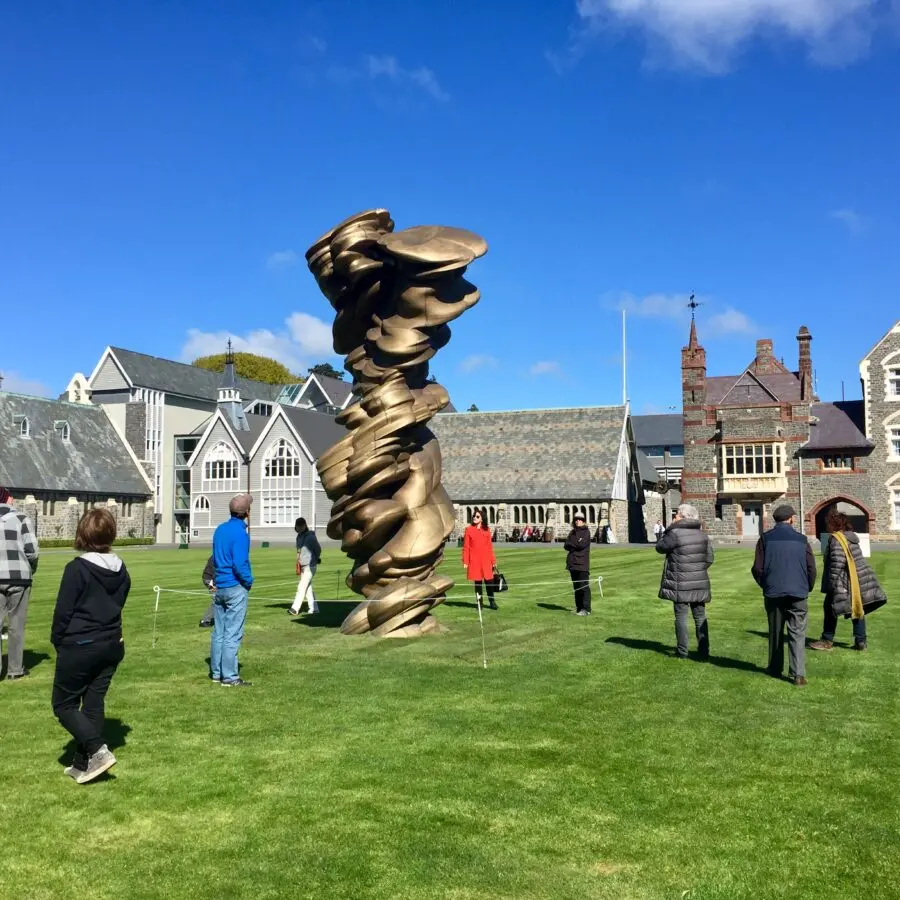
By 2015, though, Kreisler thought it was time for a change and moved to Christchurch to be head of the Ilam School of Fine Arts.
“I’ve been this kind of authorial voice for the gallery, and somebody else needs to do that,” he said of his move.
“It was post-quake, and I thought that Christchurch, with my parents having met here, represented a really interesting place. It was in a place of transition and change. And even though there was a blueprint for that change, it was really unknown.”
He said the art school was vulnerable at the time. Student numbers had dropped as people moved away and there were questions about how the university would survive.
“But I think that what was really great was that the university and other parts of Christchurch and the world beyond recognised the benefits of what the arts provide.
“I think in Christchurch, art has been a really important part of the rebuild and the reforming of identity across the city.”
Kreisler moved into a new role as head of creative and digital arts in 2024, and then took up his job with SCAPE in May this year, where he says he can “get back into that headspace of curating”.