
PHOTO
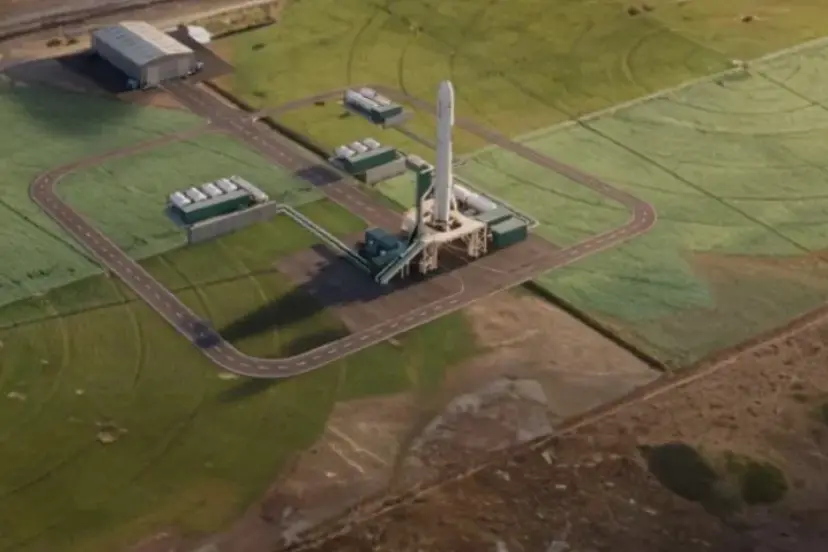
Large rockets weighing up to 100 tonnes each could be launched a dozen times a year from a planned national aerospace centre near Christchurch.
Tāwhaki and a French company are now working on getting capital, consents and customers from Europe to build the spaceport.
The few details of the attempt to tap the burgeoning world of the space launch market have been released to RNZ.
"Launch facility to cater for up to 100-tonne launch vehicles, with an initial consent for up to 12 launches per year," said an executive summary.
Rocket Lab currently launches 13-tonne Electron rockets from Mahia, although it is working on a new Neutron rocket that would be heavier than 100 tonne and launch from the US, while SpaceX launches rockets that carry up to 500 tonnes.
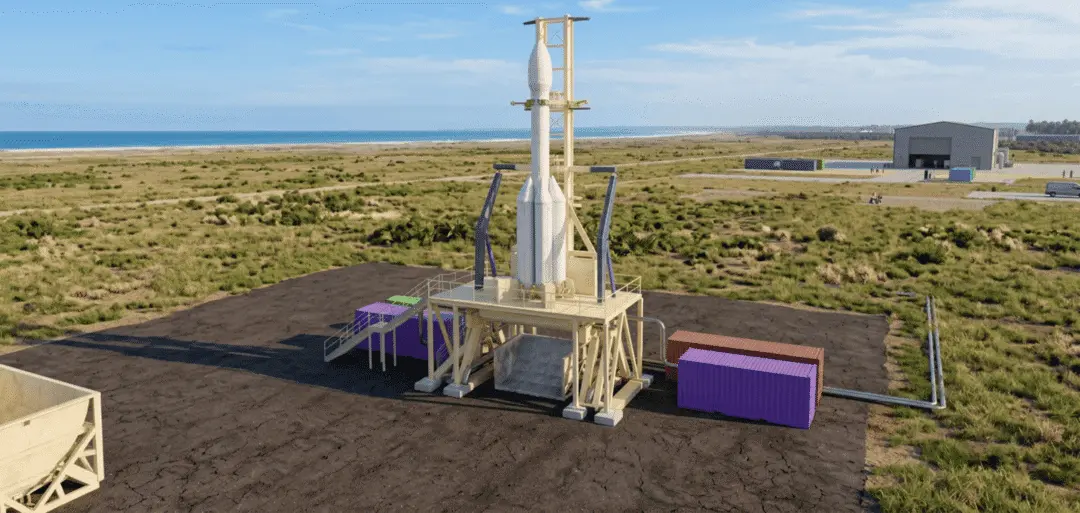
A summary of the spaceport plan features a 30m by 30m rocket pad being built to NASA standards, about 10 kilometres from State Highway 75 beside Lake Ellesmere Te Waihora.
It lists five possible rocket fuels - all of them gas - and not the more environmentally-damaging solid rocket fuels.
A southern hemisphere launch gives private or government or scientific missions greater options into the various orbits, of which low-earth orbit (LEO) is particularly sought-after for the likes of Starlink and other communications satellites, and US military constellations planned to support the Golden Dome.
Many more thousands of satellites are expected to go into LEO in coming years - Musk already has about 10,000.
The summary said Tāwhaki and France's SpaceDreamS now needed to develop a collaboration agreement, secure capital for building and consents, and discuss regulations with the National Space Agency, which is part of the Ministry of Business, Innovation and employment.
The key questions to discuss were around the role of the state - many of the current attempts in various countries to build spaceports have substantial government backing - liability and which launch companies might sign up.
"Collaboration between values-aligned organisations" was a guideline.
Tāwhaki has said it would be okay with launching NZ Defence Force spacecraft, but dual-use military-civilian launches by offshore customers would face more questions.
The partners have been marketing the spaceport in Europe and the US as a "strategically unique launch capability" with "an exceptionally clear launch range" and "access to a wide range of azimuths and inclinations".
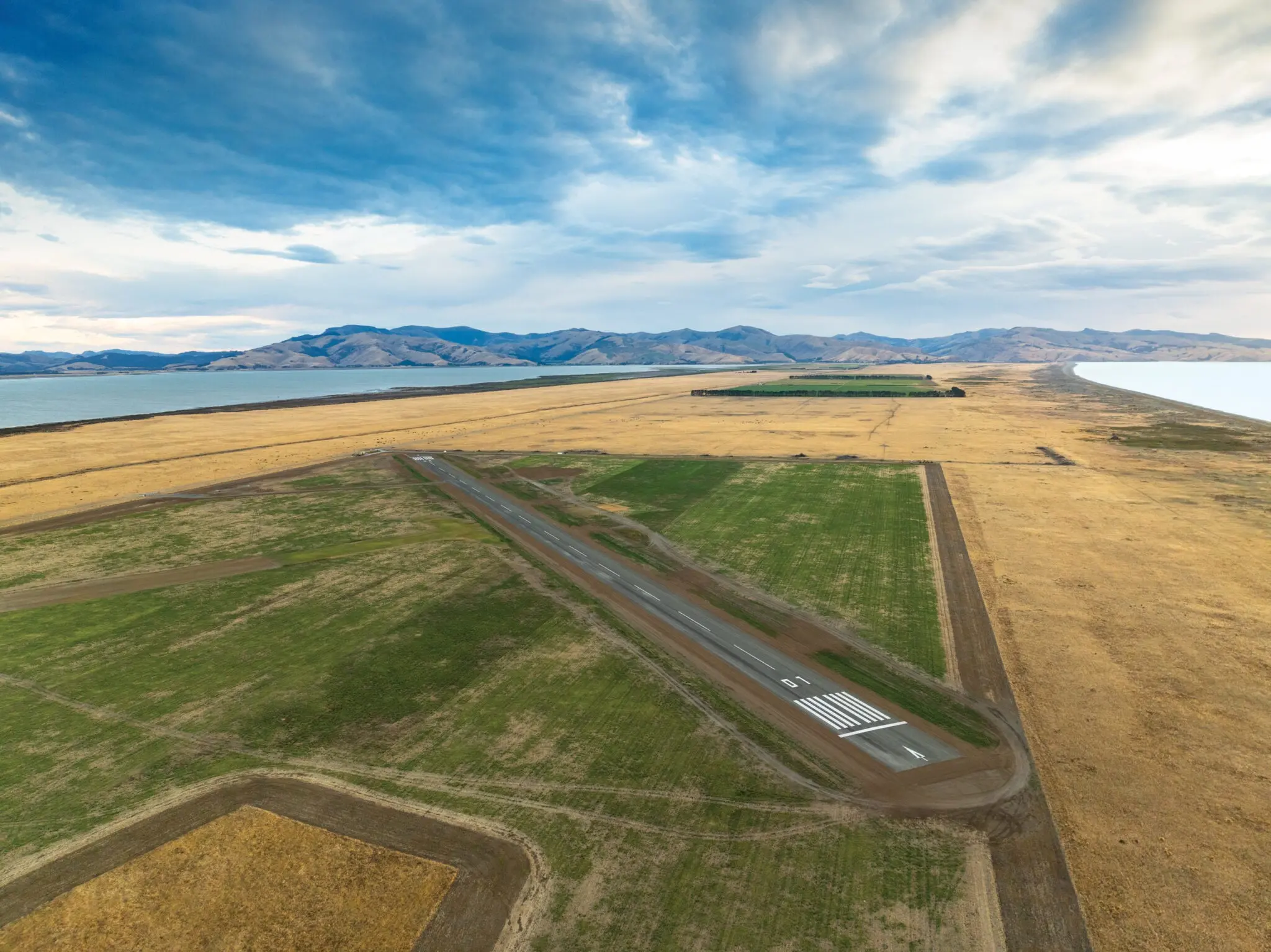
Tāwhaki - an iwi-Crown joint venture set up with $35m taxpayer funding - has a runway and hangar at Kaitorete Spit, and benefits from special regulations to carry out tests of the likes of high-altitude unmanned surveillance planes in its airspace.
The centre hooked up with SpaceDreamS at an international aerospace congress in Sydney last year. The French visited the spit and signed a memorandum of understanding "to investigate the feasibility of a collaborative spaceport".
The summary said the firm had staff who used to work for French commercial launch provider Ariane Space and had "access to European launch operators and funded programmes".
The SpaceDreamS website said its "feasibility studies bridge the gap between initial ideas and viable projects".
It says spaceports need a launchpad and control room, and perhaps a site for engine testing and zone for recovering boosters that drop into the sea.
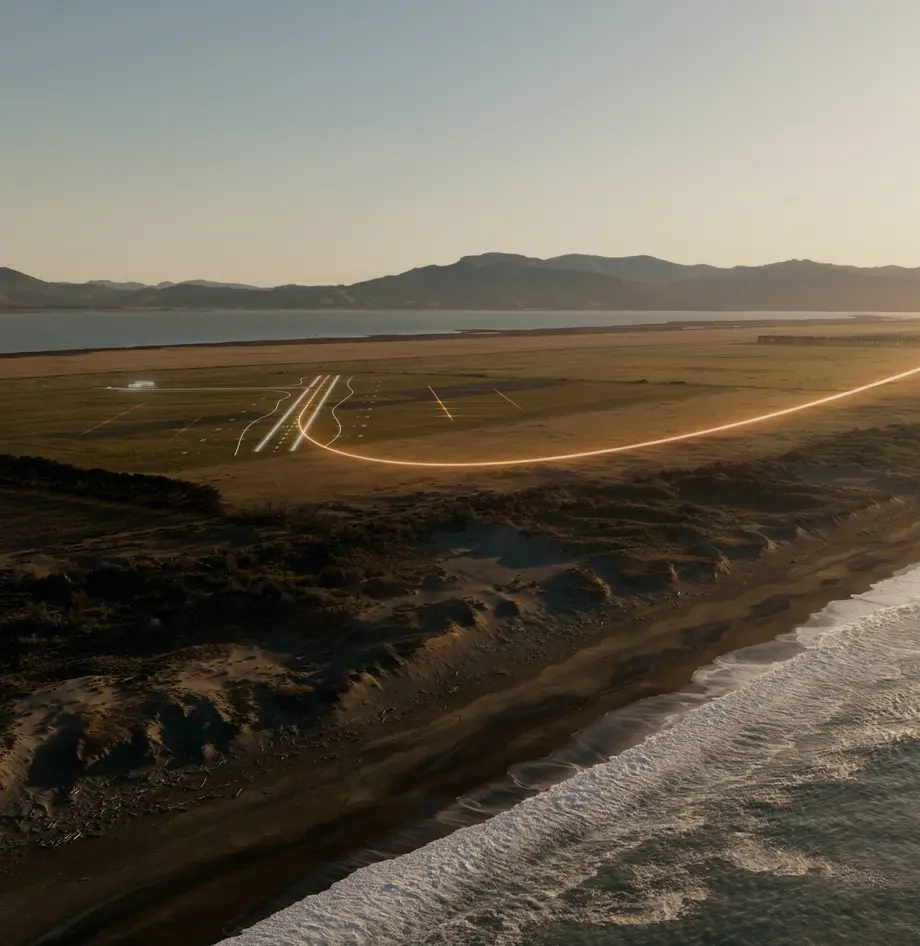
A map shows a Kaitorete spaceport with a 5.5km circle of flight operations around the launchpad extending out over the shallow lake to the west and sea to the east.
The summary said: "Confirmed: Land-use, consents, utilities, infrastructure, airspace, commodities, logistics, security & supporting services."
Experts have said the fuel type of rockets matters.
"Oversight on the types of fuels in use (from a global perspective) could be one way to ensure the industry grows in a way that is sustainable for the atmospheric environment but also realises the benefits that space-based technologies might offer," Professor of atmospheric chemistry at the University of Canterbury Laura Revell said previously.
