
PHOTO
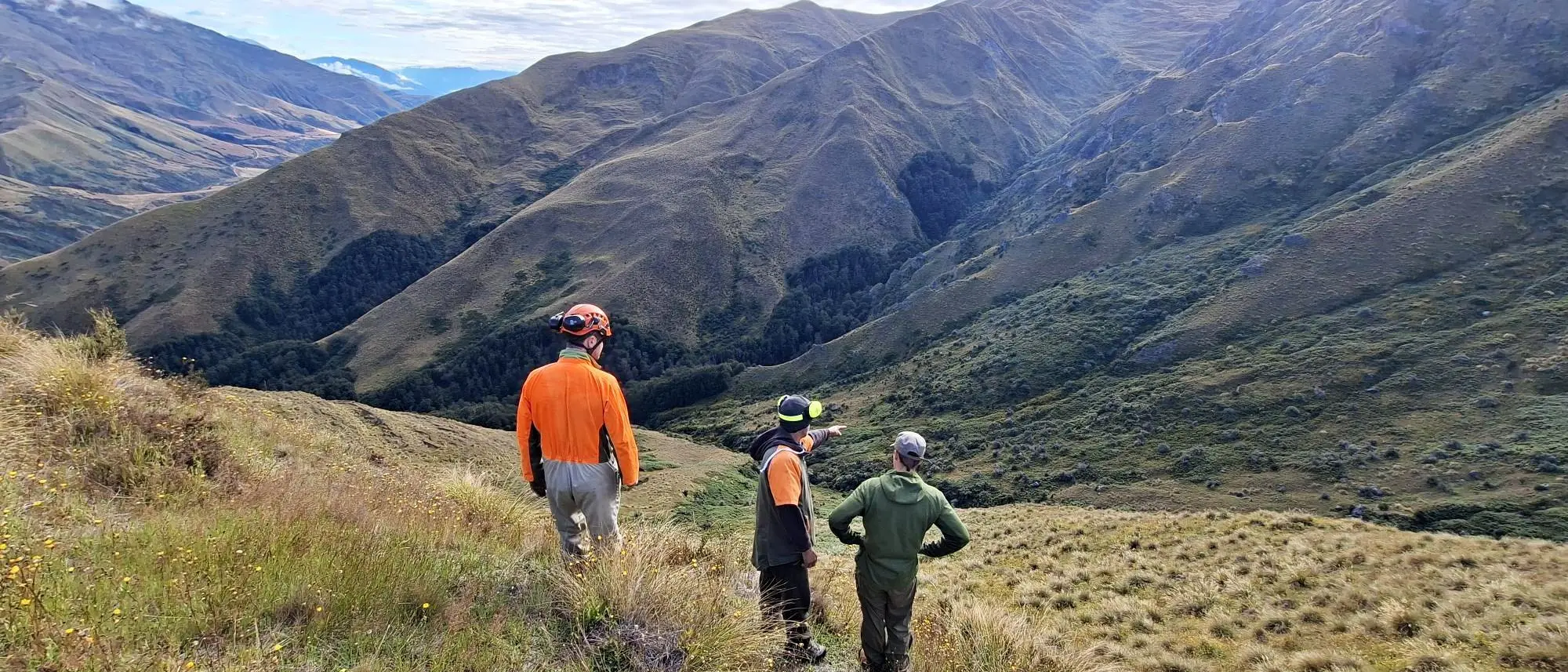
Our much valued public conservation lands appear to be constantly under threat by proposed changes to their use. The Fast-track Approvals Act enables an approval regime for a range of infrastructure and development projects, such as mining, prospecting and exploration.
New Zealanders as well as visitors enjoy visiting and recreating on public conservation land — it is a great way to connect with nature, which has so many benefits for humans. Now, the public interest in its management appears to be being severely eroded.
Over several decades, taxpayers in New Zealand have contributed to achieving protection of important ecosystems and high landscape values through the Nature Heritage Fund (NHF) and through tenure review. Landowners were financially well-rewarded for the surrender of such land for conservation purposes.

The NHF was set up by the government in 1990 as a funding body for the purchase of land which had significant ecological or landscape value. Sadly, the NHF was disestablished by the current coalition government in 2024.
The NHF worked closely with landowners, particularly in the high country, to legally protect a range of biodiversity values. These agreements were achieved voluntarily and resulted in a win-win outcome, a legacy for the future. Examples of these conservation outcomes in our region include Clent Hills/Hakatere Station in the Ashburton Basin and Birchwood Station in the Upper Ahuriri area, which are now conservation parks for nature and for the enjoyment of people.
Just over a week ago, the Conservation Act Amendment Bill was introduced to Parliament. Undoubtedly, a review of the Conservation Act is warranted after nearly four decades since it was adopted. There is value in streamlining conservation management processes, asset management and the fee structure for commercial activities and standardising terms for leases of public conservation land.
However, looking into what is proposed a bit more carefully, it appears that the purpose of conservation management will be shifted to favour economic development.
If the proposal goes ahead, a high proportion of public conservation land could be up for grabs, disposed of, unless it contains threatened species or is a rare ecosystem. It suggests that only the best examples of a particular ecosystem will be retained as public conservation land. This is assumed to mean that if we have some public conservation land containing a dryland ecosystem in this area, it would be compared with the same ecosystem in another area, and whichever has higher values would be retained and the one with lesser values would be disposed of. While our national parks will be safe, it is proposed to allow more amenity areas inviting increased commercial tourism.
It appears to be a massive assault on our natural heritage, driven by corporate greed which will result in loss of public conservation land for short-term private gain.
New Zealand has 4000 at-risk and threatened native species which are vulnerable to extinction in the near future. This figure is most likely on the conservative side because experts keep finding species in many different areas.
What can we do? Read the Conservation Act Amendment Bill online, which will be heard by a select committee soon. Forest & Bird is running a webinar on May 26 to explain the Bill. You can have your say on the proposal. Submissions to the Department of Conservation close on July 9, 2026.
• Ines Stager is a landscape architect based in Geraldine and a committee member of the local branch of the Royal Forest & Bird Protection Society.