PHOTO
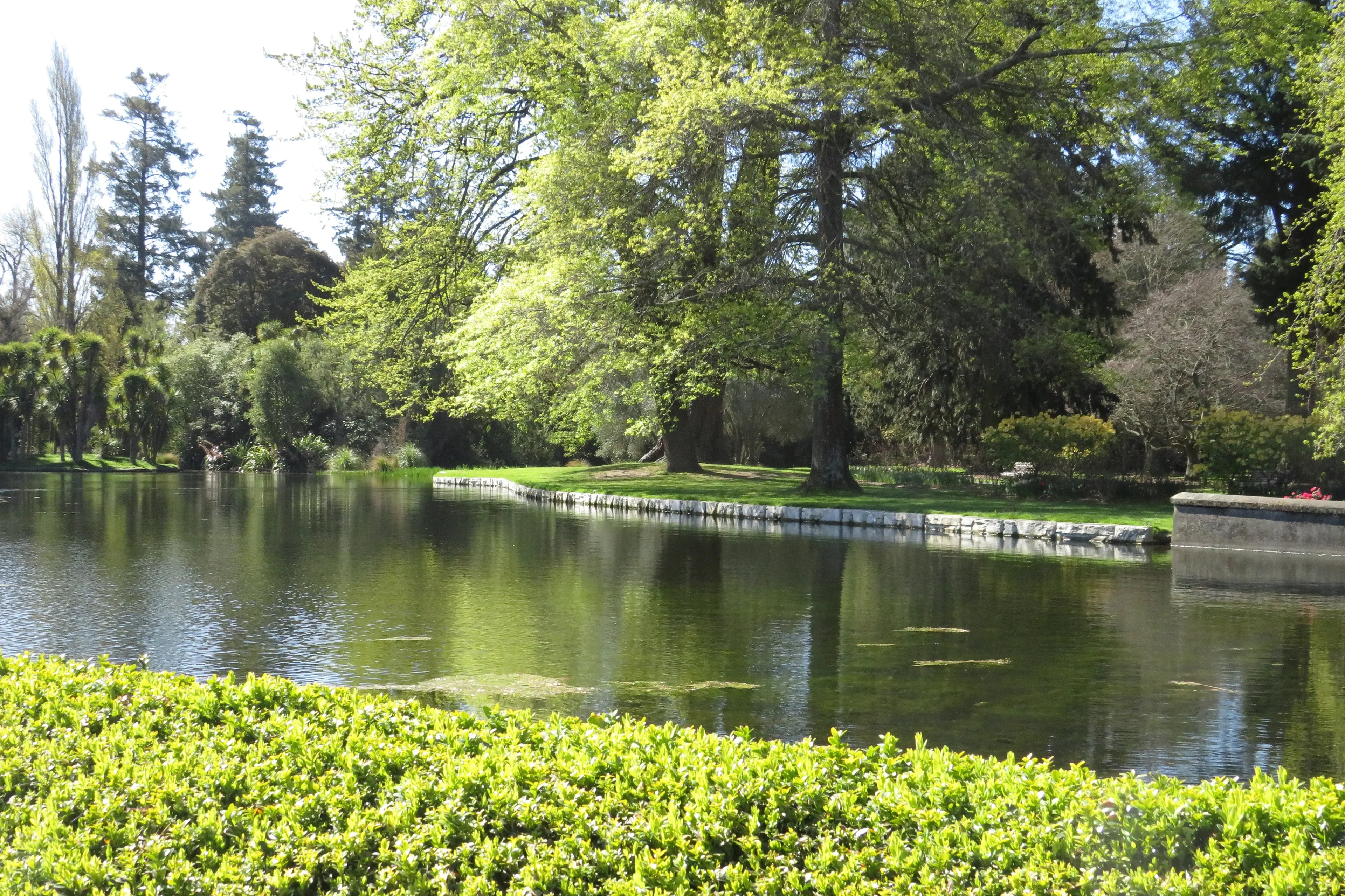
The pond at Ashburton’s domain running dry is a potential outcome of the council winding up its stockwater services.
District Council is in the final year of delivering the service, and Winchmore is the next stockwater intake under the exit transition spotlight.
The council is assisting farmers with the transition to alternative supply options as it progressively withdraws from its stockwater network, due to ageing infrastructure, expensive maintenance, and the system becoming increasingly unreliable during dry summer months.
However, the Winchmore intake which feeds stockwater races through farms and lifestyle blocks, also feeds into the Ashburton Domain, Mill Creek (also known as Wakanui Creek), and the Fairton township.
Ashburton Deputy Mayor Richard Wilson, who chairs the stockwater transition working group, said it was time for urban residents to join the conversation and not assume it’s just a rural issue.
“We have had the stockwater conversation with the farmers and they've put their points forward.
“Now we need to talk to the people in town because a lot of them don't understand that it's a stock race and what it means if that water is no longer running.”
More than 80 per cent of property owners, who pay stockwater rates for Winchmore water, have already indicated they no longer need the water.
Wilson said people who want water in the domain pond, live next to Mill Creek, or enjoy the creek flowing through Argyle Park need to share their views “if they think it has amenity value”.
Mill Creek is classified as a stormwater channel between Allens Road and the eastern edge of Ashburton, but is used to flow stockwater to customers east of the town, he said.
That includes filling the Ashburton Domain pond, as it has for over 140 years.
A water balance report will identify how much water is supplied by the Winchmore intake and if spring water infiltrates the race as it comes through town, he said.
As well as the water balance report, council will commission an ecological investigation, an archaeological survey, and cultural and stormwater assessments.
Those and the public survey will be used by the stockwater working group to make a recommendation to the council about the future of the intake, which could be closure or divesting the intake to another entity or organisation.
Wilson said the Winchmore network is spring-fed, meaning water would continue entering the system after the council stops using it for stockwater, but that raises questions over how the flows are managed and who pays to maintain it.
“Once the stockwater service ends, how do you keep the water going through as someone has to maintain it and who funds it.”
That includes how water will continue to reach the domain ponds.
The stockwater working group is only focused on exiting management of stockwater and “if in that process it finds the race has other benefits, it will recommend the council investigate alternative solutions”, he said.
Any water intake consents are for stockwater, and changing the use to anything else, such as environmental flow, requires changes to ECan’s planning rules, which were paused by the Government while freshwater policies and resource management laws were being overhauled.
Wilson said the group is also working with irrigation companies on taking over the management of some intakes to continue to deliver stockwater.
“The council will decide on what happens with any consent, the stockwater group will advise on what water is still needed to be delivered.”
Wilson said the council is “right on schedule” to end its role in delivering the service on July 1, 2027.
The council has $276,000 of “problem solving money” in the 2026/27 budget to assist with the exit, Wilson said.
The council is “not just walking away” and ensuring those who still need stockwater have options to get from somewhere else, he said.
First closure
The Pudding Hill stockwater network is the first major section to close under the council’s stockwater exit transition plan.
The Pudding Hill stream intake continues to operate, but two major gates feeding the network at Scarness and Drayton’s closed this week, ceasing water flow to 220km of the 1300km network.
Water continues to flow into Mt Harding Creek, a waterway that flows through the eastern side of Methven township while the council works with Environment Canterbury on options.
The intake gates will be lowered this week and Te Rūnanga o Arowhenua, Department of Conservation, and Central South Island Fish and Game will lead a fish salvage programme to make sure fish are captured and transferred to other suitable locations.