
PHOTO
The cost to repair Kaikōura river infrastructure damaged in the heavy downpours earlier this month is expected to be in the tens of millions of dollars.
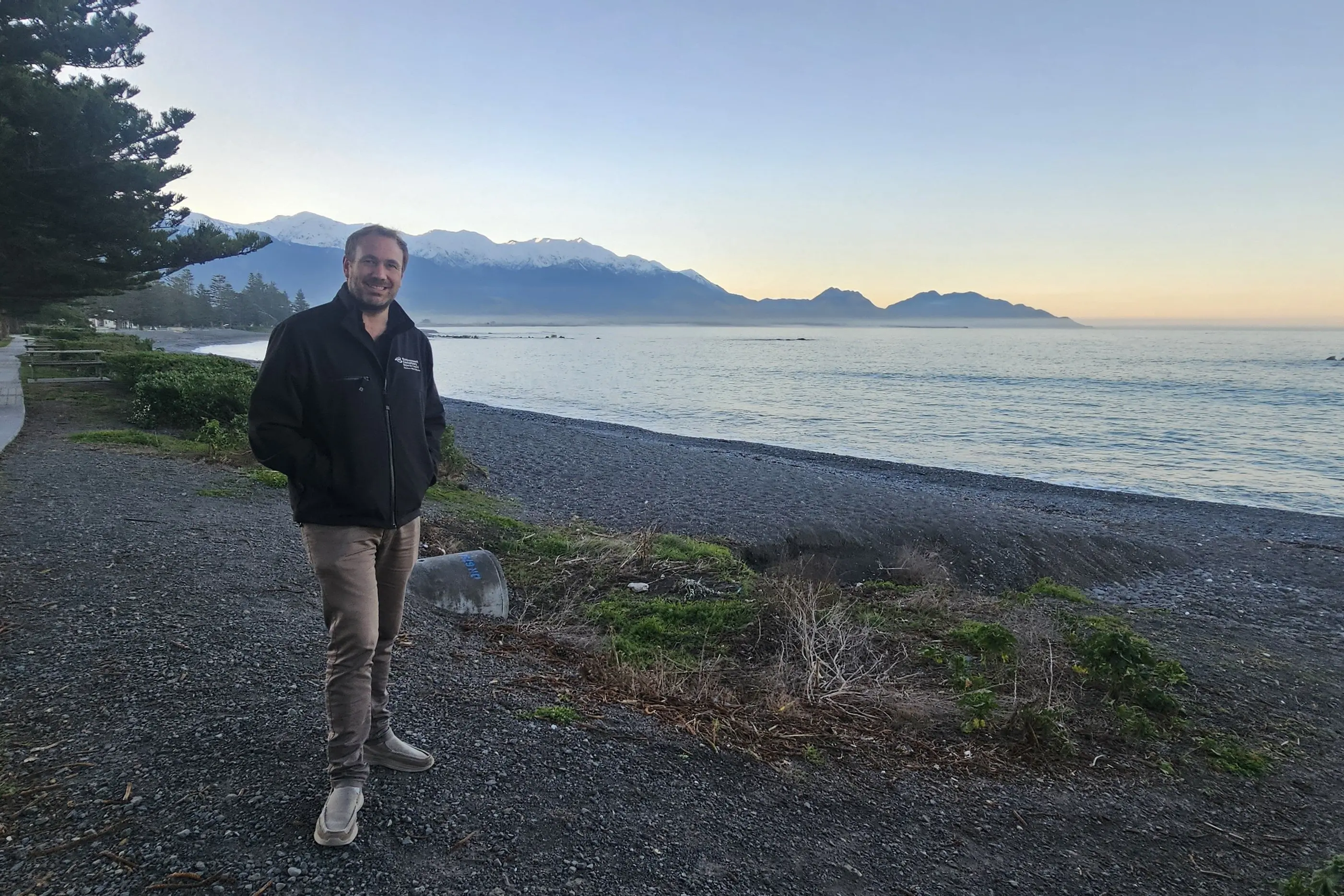
Environment Canterbury chairperson Dr Deon Swiggs says public safety is a priority as staff count the cost of repairing damage to rivers in the district.
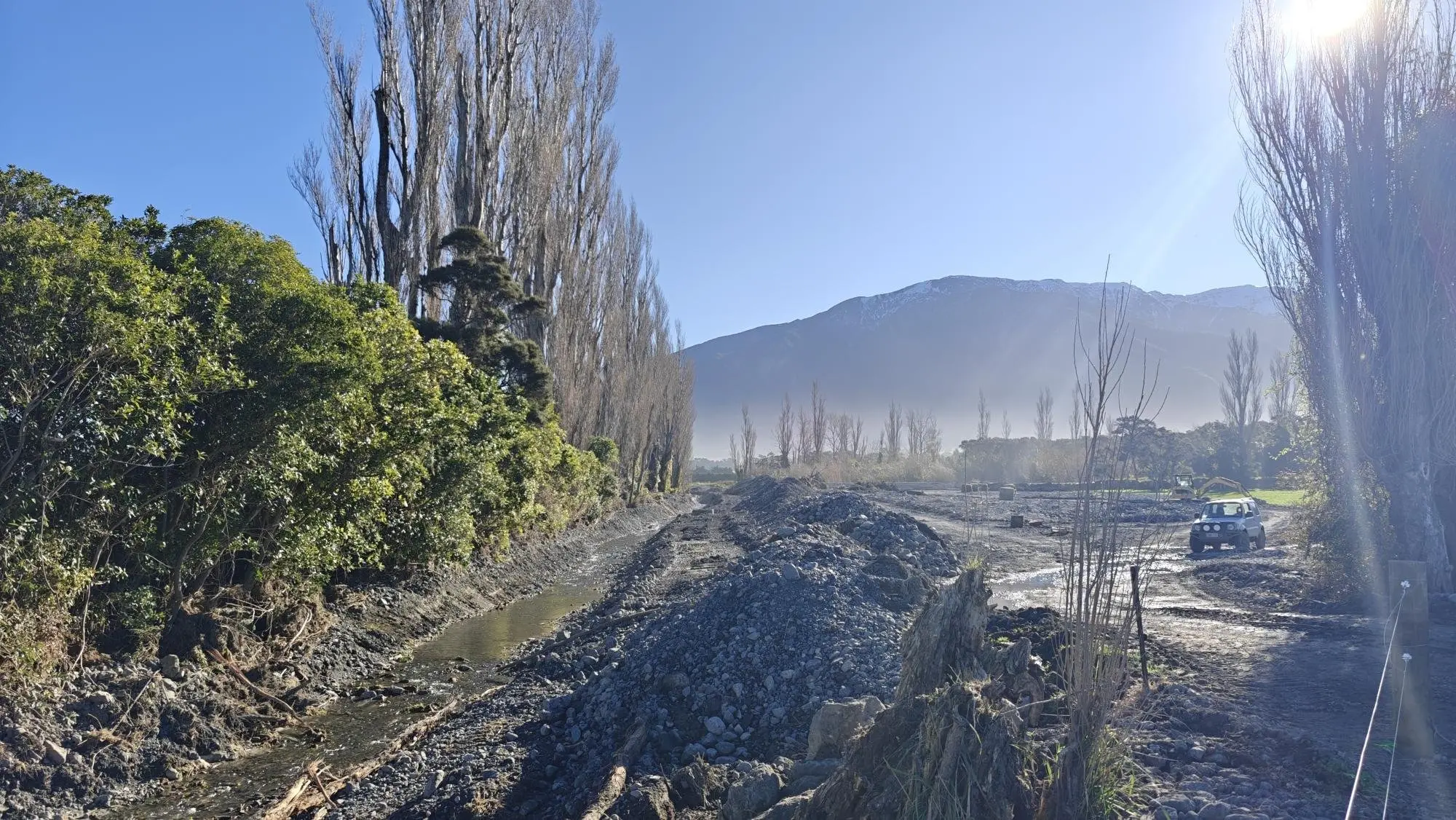
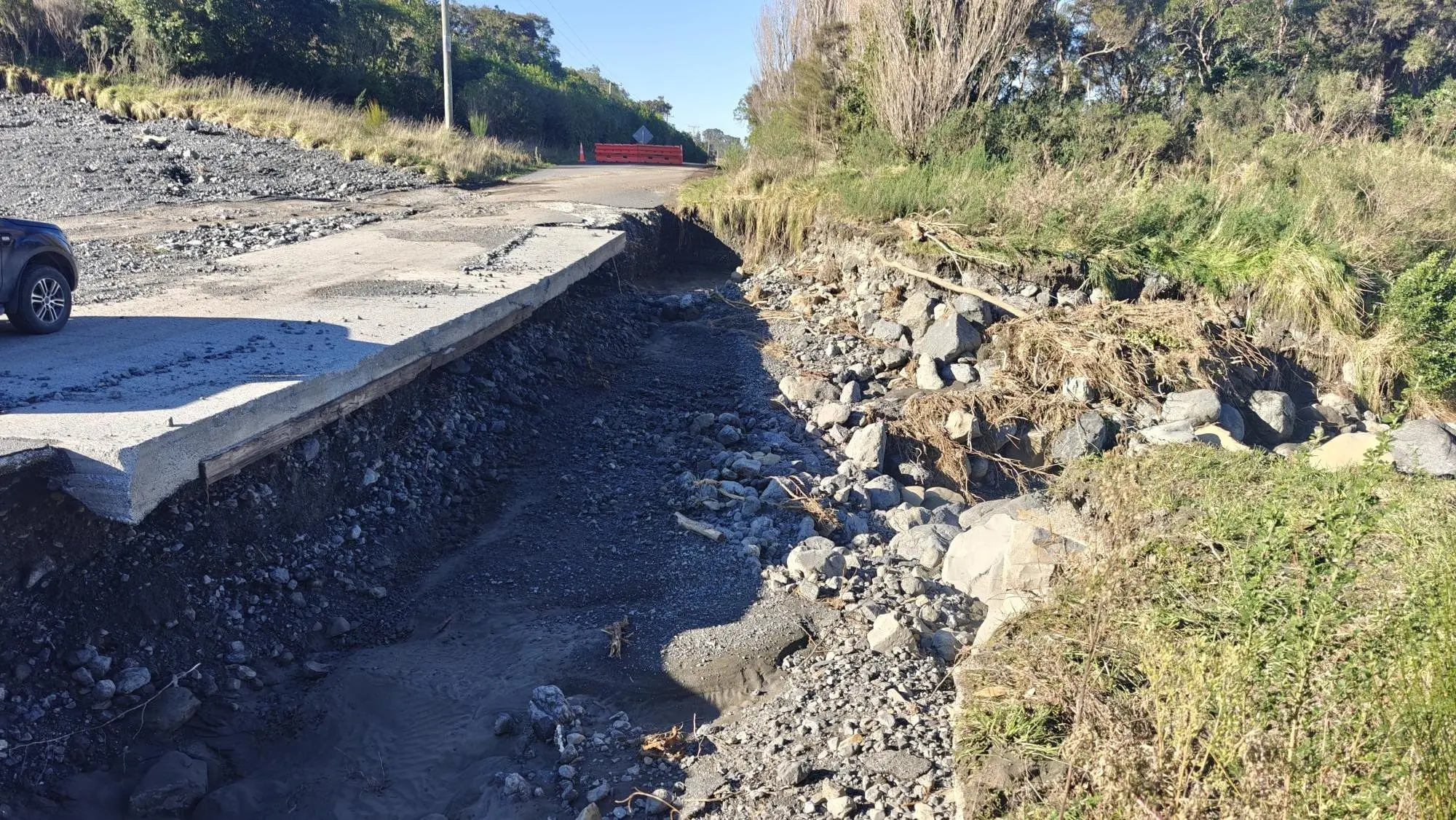
An estimated 450mm of rain fell on July 7 and 8, leading to flooding, breaches to stopbanks, erosion and the movement of immense amounts of gravel and sediment.
‘‘Our first priority is to make it safe, plugging in holes and critical weaknesses, repairing the breaches and working where there is erosion,’’ Dr Swiggs said.
While Kowhai River flood protection held, leaving the town largely unscathed, immense amounts of gravel has been washed down raising the riverbed by five to seven metres in places.
Council flood protection recovery manager Shaun McCracken said it would cost tens of millions of dollars to repair ECan’s infrastructure, including flood protection work, based on estimates.
ECan has a funding arrangement for flood resilience work in Kaikōura through the regional infrastructure fund, with the Government contributing 60 percent.
The work had just begun when the flood hit, including river protection works, vegetation clearance, berm strengthening and work in the Kowhai River to reduce future flood risk.
‘‘The funding has been really helpful as we were already bringing in large rocks into the area to prepare for a rainy day,’’ Mr McCracken said.
‘‘We have a dozen work sites under way to get some immediate resilience.
‘‘The Kowhai River flood protection is vulnerable and we are doing everything we can to reduce the risks as much as we can.’’
ECan owns a quarry at Oxford, but will need to get rocks from other sources to support the repair work.
An aerial survey has been completed which will allow staff to map how much gravel needs to be extracted, Mr McCracken said.
Staff were keen to work with anyone needing gravel, to get it extracted quickly.
But Dr Swiggs said there may be a limited market for the gravel.
‘‘Not all gravel is equal. Some of it is too soft or too brittle.’’
Funding will be considered as part of next year’s Long Term Plan, including how much will be funded by local or regional rates.
It was unclear how much additional Government funding would be available, but Dr Swiggs said the flood reinforced the need for investment in climate change adaptation.
Te Uru Kahika, which presents regional and unitary councils and is chaired by Dr Swiggs, has been lobbying Government for several years for co-funding to improve flood resilience.
‘‘Every dollar we spend now has a saving of $7-$9 in recovery costs and this is where insurance is going, because if you don’t do this work you may not get insurance.’’
The district has just 3000 ratepayers, but what happens in Kaikōura can impact on the national economy, reinforcing the need to rethink how resilience in the South Island transport network is funded, Dr Swiggs said.
‘‘Kaikōura is an example of where it could go terribly wrong if you don’t think about how you fund resilience.
‘‘It is a small community which is vulnerable to climatic events and they can’t fund it by themselves.’’
Having a larger region also provided the leverage to build the capacity and attract the staff needed to respond to these types of events, he said.
■ LDR is local body journalism co-funded by RNZ and NZ On Air.