
PHOTO
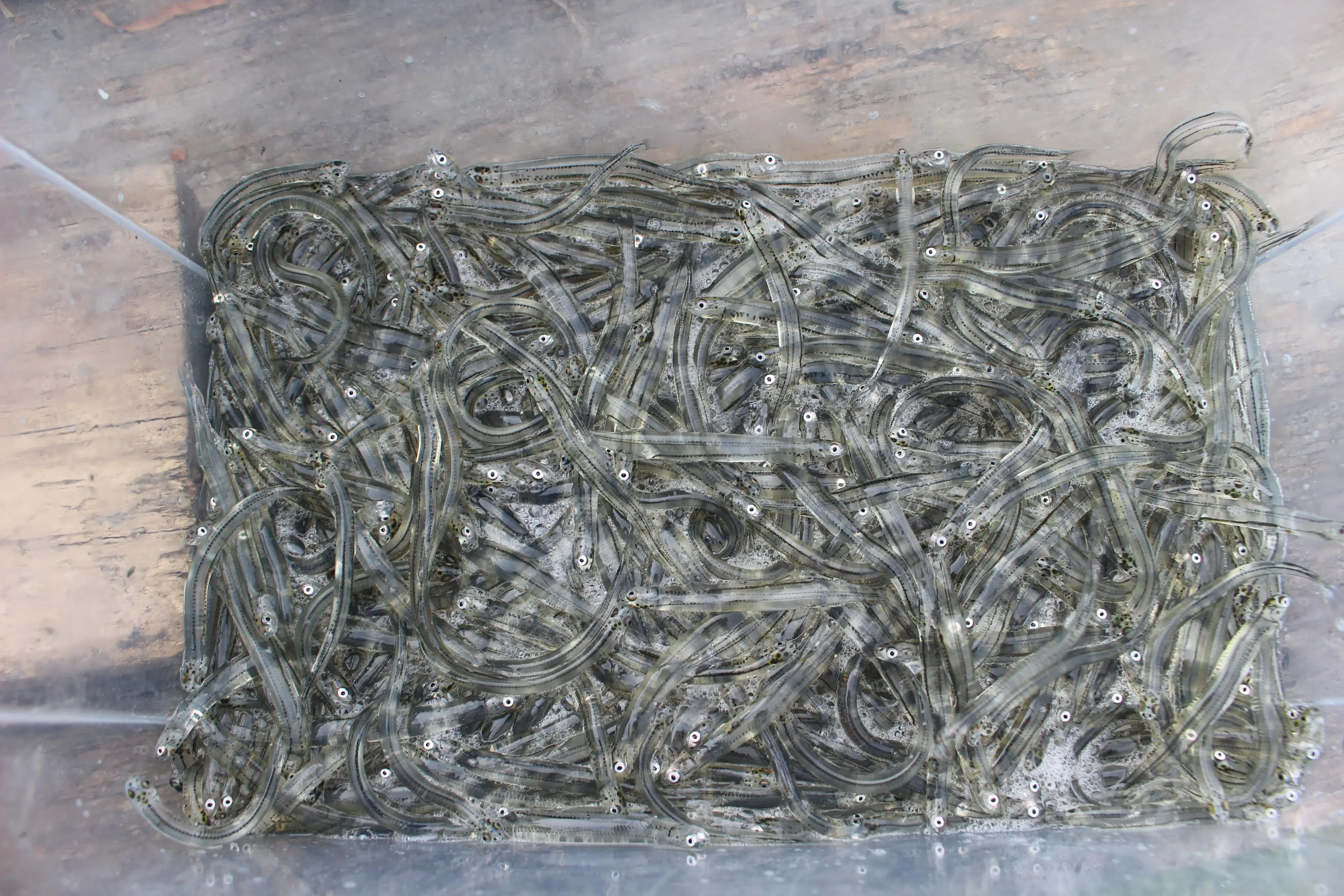
A Canterbury hapū has placed a rāhui over its customary whitebait season this year because of continuing abuse.
Ngāi Tūāhuriri said the customary season was established five years ago so elders could fish their rivers safely with their mokopuna, pass on traditions, and strengthen their connections to each other and the rivers.
Ngāi Tūāhuriri Tangata Tiaki committee secretary Te Marino Lenihan said the decision to place the rāhui, a traditional Māori prohibition, restriction, or ban over a specific area or resource, was not taken lightly.
“Unfortunately, we have experienced ongoing abuse and many of our whānau fishers still don’t feel safe,” he said.
“It’s important that we take some time now to reflect on what we have seen and learned over these last five years, consider how we can best respond, and then reset our customary season so that it can better uphold the integrity of our tikanga and mana.”
The committee knew the decision would be disappointing for some and welcomed by others, he said.
“Our decision has not been made lightly and reflects our collective responsibility to ensure the exercise of our customary rights remains firmly grounded in the responsibilities and obligations that accompany them,” a letter on its Facebook read.
“We acknowledge this decision will be disappointing for some and welcomed by others.
“We will keep whānau informed as we look to navigate the issues and opportunities before us and build a stronger collective position in which we can then lift the rāhui.
“The rāhui provides us the opportunity to work on our processes and protocols, engage with our whānau, and together uphold the values and responsibilities entrusted to us by our ancestors.”
Department of Conservation (DOC) Mahaanui operations manager Andy Thompson said the rāhui was a result of a robust process within the hapū and with DOC and other responsible agencies.
“I have huge respect for what the hapū has done to uphold their customary rights and what they represent. It’s a reflection of the deep commitment their leaders have to tikanga and the customary responsibilities that come with customary rights.
“We will work to ensure this is respected, and we stand shoulder to shoulder with the hapū.”
The regular whitebait season begins in two weeks, and Thompson urged whitebaiters to approach it with respect.
“Most whitebaiters follow the rules, which is brilliant, but others don’t, so we will patrol rivers again this year to check in on spots around Canterbury.”
The rāhui does not affect recreational whitebaiters and whānau fishers can continue under the recreational rules and regulations.
- The whitebait season runs from September 1 to October 30.
-Allied Media