
PHOTO
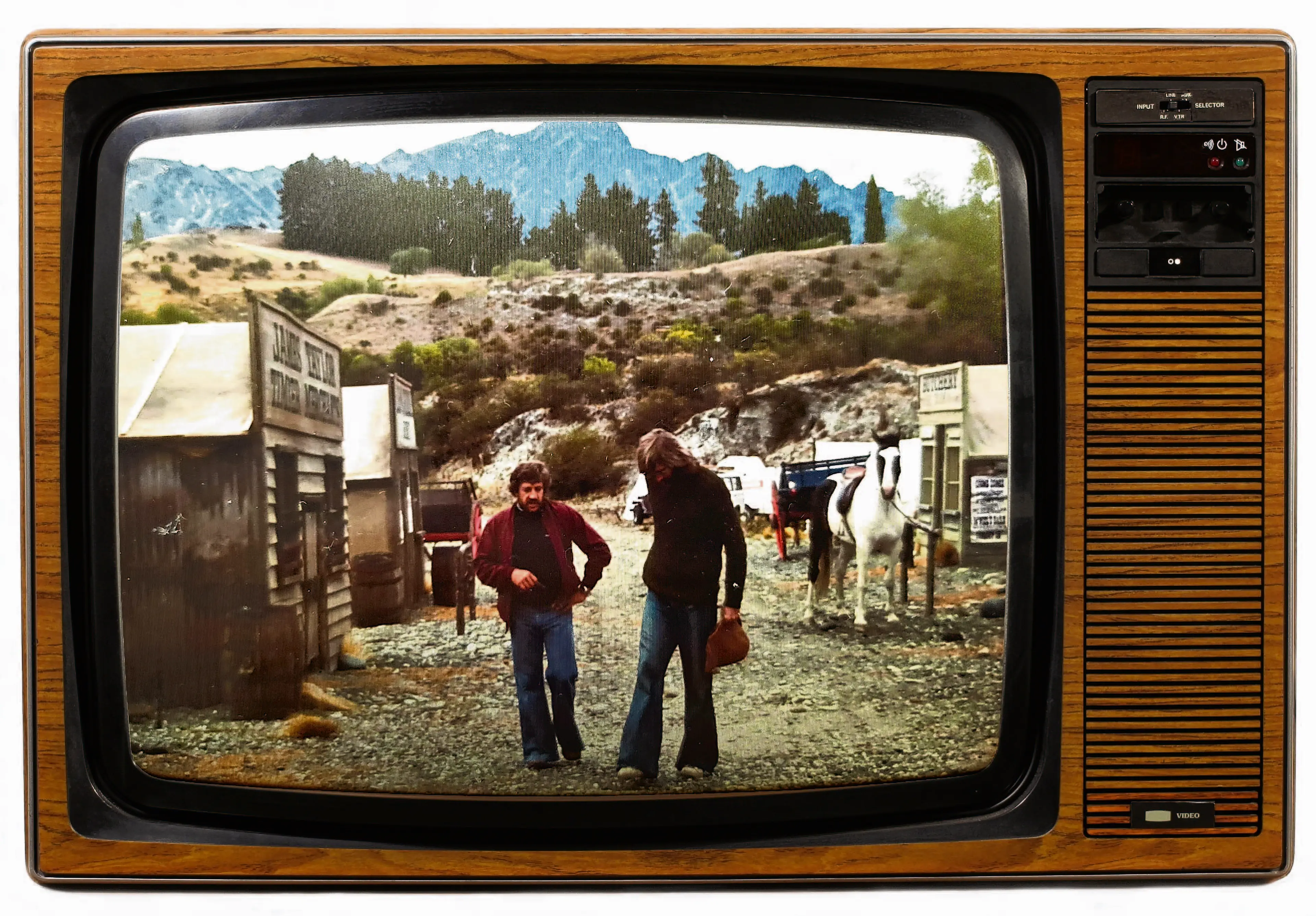
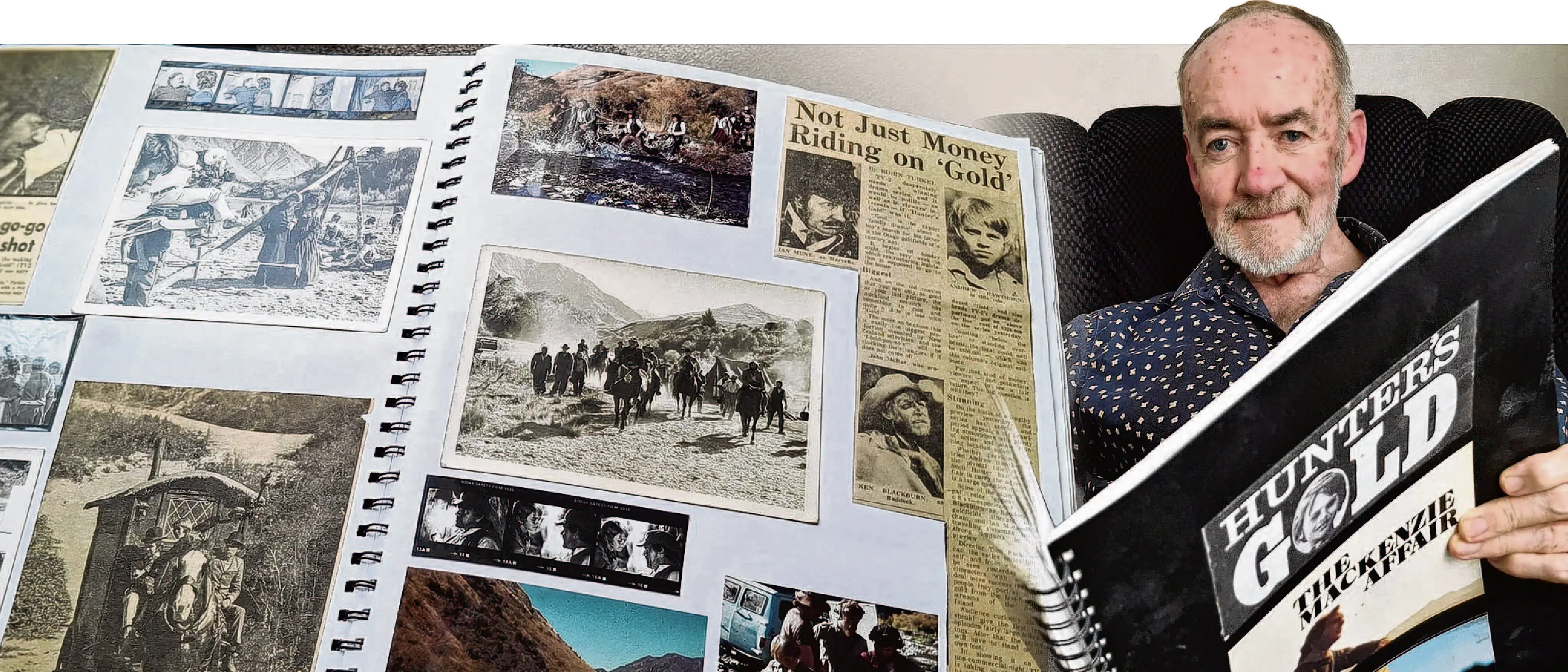
Film-maker Max Quinn, who worked on the series as director of photography, looks back.
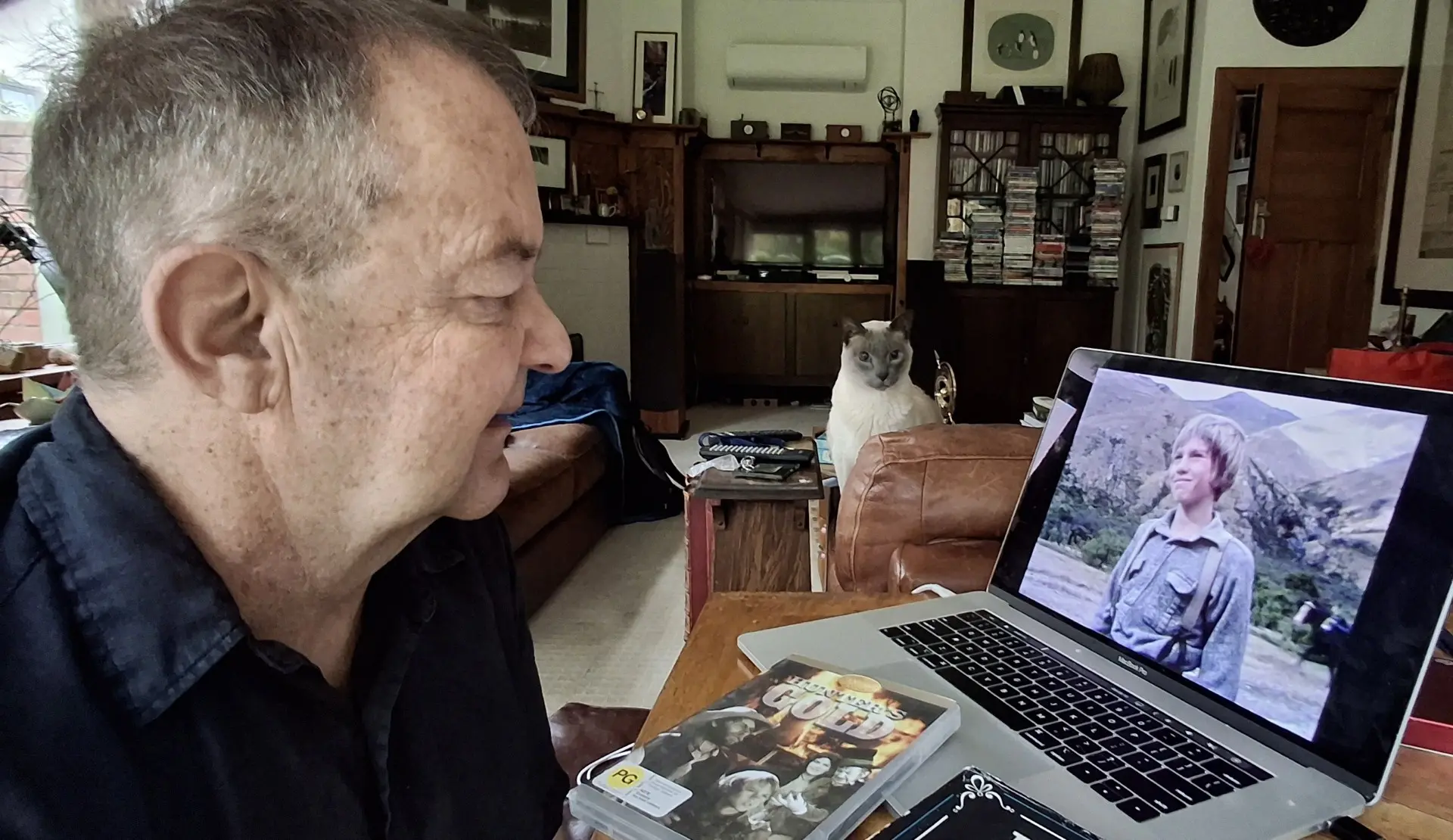
In the village of Wylam in northeast England, 11-year-old Paul rushes home from school eager to catch his favourite TV programme - Hunter’s Gold. It’s the story of a young boy seeking his lost father on the remote gold fields of 1860s Central Otago. Paul has a good reason to be taken in by the series. The young hero is Paul’s age and it’s set in the country where he and his family are about to migrate.
Fifty years on, respected Dunedin doctor Paul Trotman remembers it as ‘‘... a rollicking good yarn. This is where we were going to live!’’
A story told in far off New Zealand had reached across the hemispheres.
In the spring of 1975, two solitary figures searching for filming locations scramble up a steep slope in the Moke Valley near Queenstown. Television director Tom Parkinson recalls the sensation of looking down over the Central Otago landscape. ‘‘For the first time in my life I could see clearly for at least 70 kilometres around me, yet there was no sign of a human footprint; not a building, a telegraph pole, let alone a road ... it was magnificent.’’
He had just found the lead star for a new television drama he was about to direct ... ‘‘that old character actor, the New Zealand landscape’’.
The plan was to fill that empty landscape with gold towns, miners, horses and stage coaches ... all the elements needed to bring the 1860s gold rush to life.
Up to April 1975 New Zealand had one solitary television channel, before the Labour government created two competing state-owned corporations - TV One, based in Wellington and Dunedin; and TV2 (or South Pacific Television as it soon became known), based out of Auckland and Christchurch - an ambitious concept, that, for a few short years, spawned a huge surge in creative and competitive broadcasting many would argue hasn’t been bettered.
With TV One gearing up to shoot its epic, The Governor, it was the new kids on the block, TV2, that jumped the gun with Hunter’s Gold. It would become the first big-budget TV series to use Queenstown as a base and showcase the stunning Central Otago landscape. It would come at a cost - estimated at $500,000, a massive amount for the time.
The executives of the new channel wanted to show a point of difference over their TV One rivals and they saw drama as the key. Expat Emmy and Bafta-winning producer John McRae was lured back from the UK to head up the new drama unit.
He was a person Hunter’s Gold assistant director Tony Holden describes as ‘‘ ... a passionate drama man who got us all to do heaps of things outside of our comfort zone’’.
Scriptwriter Roger Simpson, working in Australia, was also enticed back to develop the story. Having grown up in Dunedin and Central Otago he naturally looked to set it in familiar territory. So was born the series about a 12-year-old boy, Scott Hunter, during Otago’s gold rush who sets out on a quest to find his missing father. The story would embrace family dynamics, big crowd scenes, robberies, raging fires and even gunfights.
The critics were waiting in anticipation. Robin Turkel, of The New Zealand Herald, penned ‘‘ ... this is easily the biggest production mounted by New Zealand television and the ‘I-told-you-so’s’ will be clucking their tongues if it doesn’t come off’’.
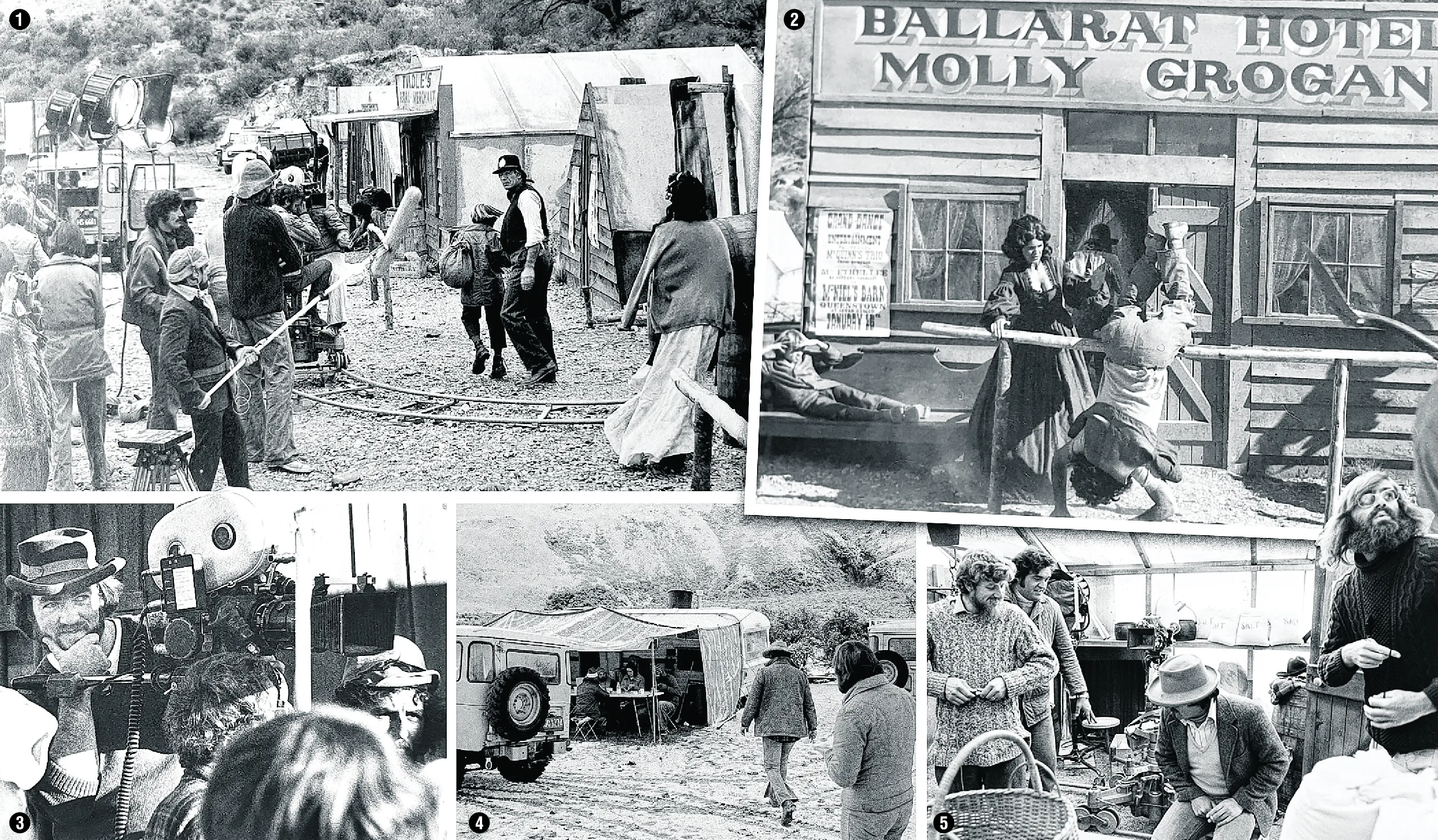
The key to recreating the 1860s ‘‘look’’ fell to a brilliant production designer, Logan Brewer. He drew up plans to construct two gold towns on the banks of the Shotover River - Tucker’s Gully and The Arrow, complete with shops, police station, jail, stables and the obligatory grog shop. Unlike today, this activity was something the Queenstown locals hadn’t witnessed before.
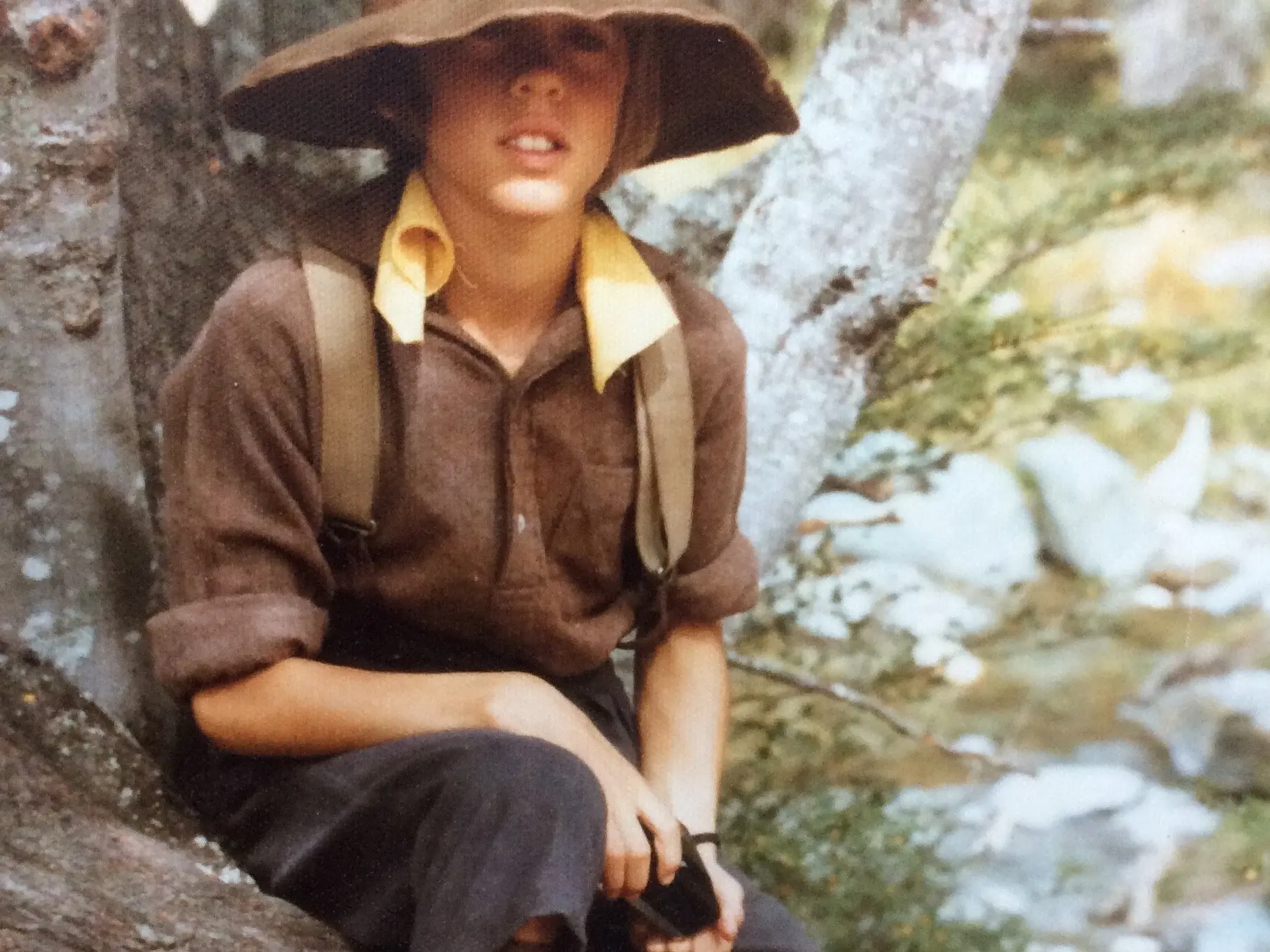
While sets were being constructed, Parkinson was assembling a cast of actors from New Zealand’s rather limited pool of professional acting talent. The pressure was on and no more so than for a 13-year-schoolboy from Auckland, Andrew Hawthorn, who had never acted in a TV drama before and was cast to play lead against a veritable who’s who of New Zealand acting royalty.
Now aged 63 and having enjoyed a career behind the camera as a top sports producer, Hawthorn still remembers the mystery surrounding his role at the audition in Auckland. ‘‘The only information I really had to go on was that I was to play the part of Scott. My mother incorrectly assumed it was to play some childhood flashback for a dramatisation of Scott, the Antarctic explorer! That turned out to be very wrong. This was no bit-part flashback but a never-before-attempted 13-part ‘kidult’ show!’’
It would mean three months on a distant location, missing his first term of high school.
Hawthorn clearly recounts his first day thrust into the public eye in late February 1976 when he arrived in Queenstown. ‘‘Still green from the vomitus landing of my first ever flight on a rather bumpy Mt Cook Airlines, I was met by reporters from the local newspaper.’’
The Herald’s Turkel added: ‘‘Whether the previously untried Andrew Hawthorn in the pivotal title role ... has enough flair to carry the adventure is a large question mark.’’
A week before filming started, a crew of 50 converged on Queenstown with vehicles packed to the gunnels with camera and sound gear, arc lights, dollies and camera cranes. Most of the team were TV2 staffers. My role was lighting cameraman (or director of photography), heading a team made up of a camera operator, focus puller and camera assistant. As I recall, they could very easily have gone for experienced (and likely expensive) outsiders from Australia or even the UK to fill key positions, but with the new channel just beginning it likely wouldn’t be a good look hiring too many from the outside world. We were strictly on public service salaries so we were likely a cheap hire, which suited us just fine as we were raring to be involved in an exciting challenge rather than simply news gathering.
We seconded lighting crews (gaffers as they are known), and grips to manage the heavy rigs needed for a shoot of this magnitude. In fact, we raided every department within TV2 and the small freelance world for wardrobe, make-up, props and even accountants.

The locals weren’t left out and for many it became life-changing. Queenstown’s Grahame McLean, who went on to become a producer and director of several Kiwi features, became the properties master tasked with finding all the 1860s paraphernalia needed to replicate those distant gold rush days. A working stagecoach proved a tricky find until the unit manager tracked down a fully restored Cobb and Co stagecoach belonging to the Fairlie Carnival Committee, complete with horses and drivers.
Vic Yarker, a local builder and rodeo rider from Glenorchy, was your typical Southern Man. He was bought in as the grip’s assistant (known in the film business as best boy), while Geoff Jamieson, a Queenstown mechanic, was desperately needed to sort out the temperamental generator. Both stayed on and ended up making solid careers for themselves in the film and TV industry.
One of the most modestly remunerated roles in a big drama are those filled by the dozens of extras. Ray Sheppard, a shy 21-year-old who worked for the Post Office in Queenstown was one of many dragged in to help out. He was a member of the Wakatipu Ski Club. Unit manager Brian Walden turned up on the lookout for gold miner extras to fill out the background shots. Sports clubs in the area were fair game; they needed funds and Hunter’s Gold needed extras. For $15 dollars a day per person, the production hired as many as 150 background actors. Ray recalls ‘‘I never received a penny and even had to supply my own cut lunches but it was incredible fun’’. Back then Ray sported a beard so looked the part and was soon in a crowd of gold miners panning along the Shotover and even in the back of shot cheering on a bare-knuckle fist fight in the main street of Tuckers Gully. He was also in the crowd greeting the arrival of Marvello the Magician, played balefully by Ian Mune. Ray described the experience as ... ‘‘helping bring me out of my shell as I was very introverted. It gave me the courage to act in local productions and even go on to London, appearing in the chorus of The Boyfriend and Cabaret in the West End’’.

The Hunter’s Gold schedule was tight. We needed to shoot 13 30-minute episodes in just 12 weeks. Three to four minutes of edited film per day is the regular rate of progress for drama. However, as we had to turn an episode over every five days, it meant almost doubling that rate to keep to schedule that was mitigated by an ingenious idea. Instead of filming the interiors in some distant studio, they were all constructed on to the back of the facades, meaning the whole production could be filmed entirely on location, saving time and money. This was ideal for me as the lighting cameraman, as many sets had canvas walls, which filtered the natural daylight, giving the scenes a soft moody effect, ideal for portraying the past.
Work hours were steep, usually 70-hour six-day weeks. Camera operator Michael O’Connor was working on his first film drama and went on to become one of New Zealand’s most respected drama cameramen. Back then the crew had to rely entirely on Michael’s judgement if a shot needed a retake or not. Assistant director Tony Holden recalls how crucial that was. ‘‘After ‘cut’ [was called], I would check with Michael, our genius cameraman if everything was OK. In those days we were on film with no video playback so we relied on him.’’
If there was a hitch, such as an extra inadvertently wearing a watch, then the scene would need to be reshot on the spot.
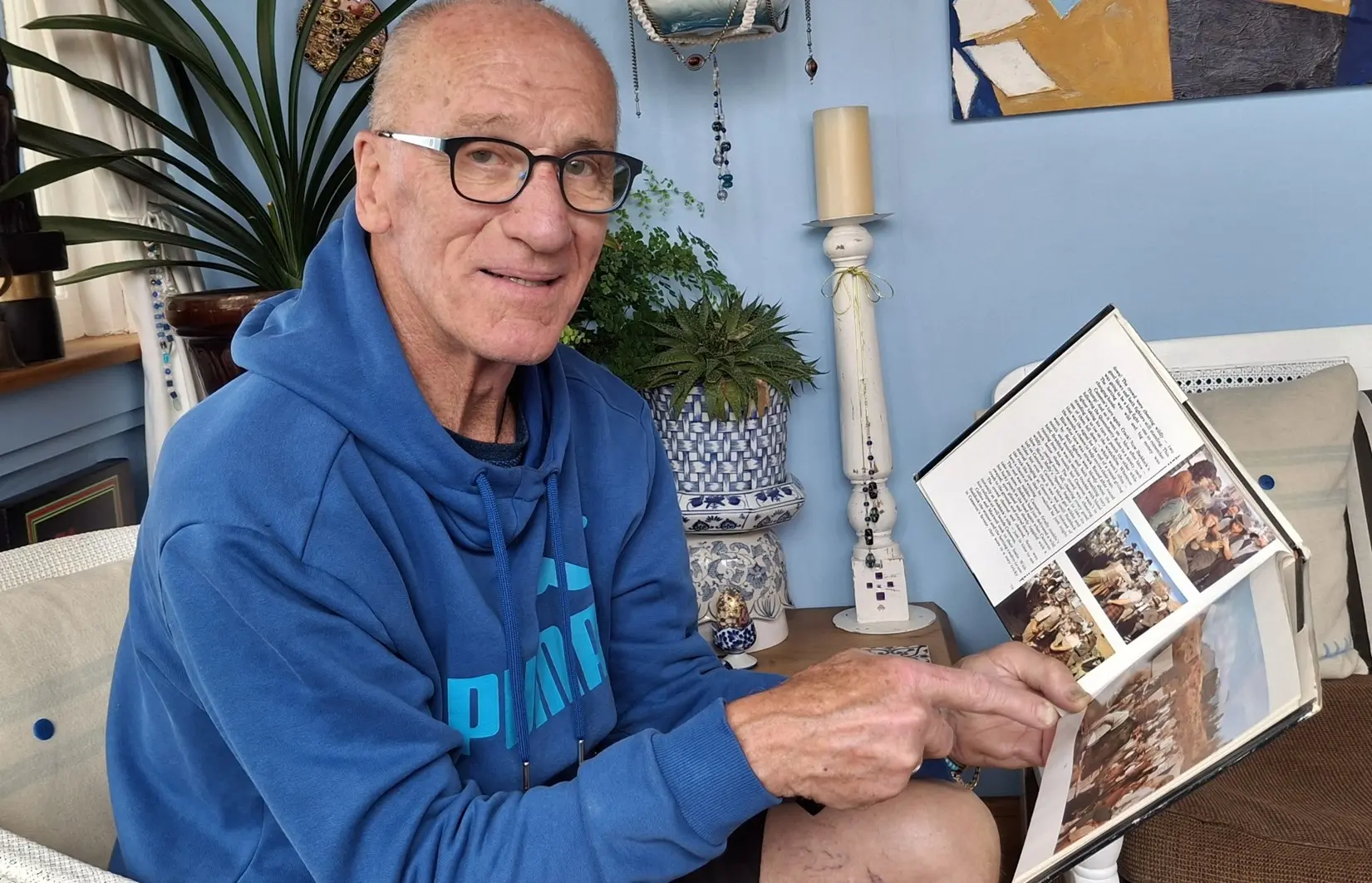
Those long hours hold a dubious memory for O’Connor. ‘‘On one occasion we had to complete some major scenes on the last weekend. Saturday dawned with heavy rain and, for the first time on the three and a-half month shoot, filming was cancelled. We would have to complete what was a two-day shoot into one long day on the Sunday. So, starting at 8am, we worked through until 4am on the Monday morning - 20 solid hours! They included night scenes that involved dozens of extras,
heading to a big new gold deposit. It was freezing cold and more than a few had got reinforced with flasks of whiskey and brandy. It was the longest filming day of my career!’’
There’s a saying in the film business that if everyone ‘‘likes’’ the unit manager then they’re not doing their job. On this shoot, Brian Walden oversaw just about every aspect of the production. His job was to ‘‘kick arse’’ when needed. As a result, he quickly became known as the Sergeant Major ... or simply ‘‘Sarge’’, a name that’s stuck with him all his life.
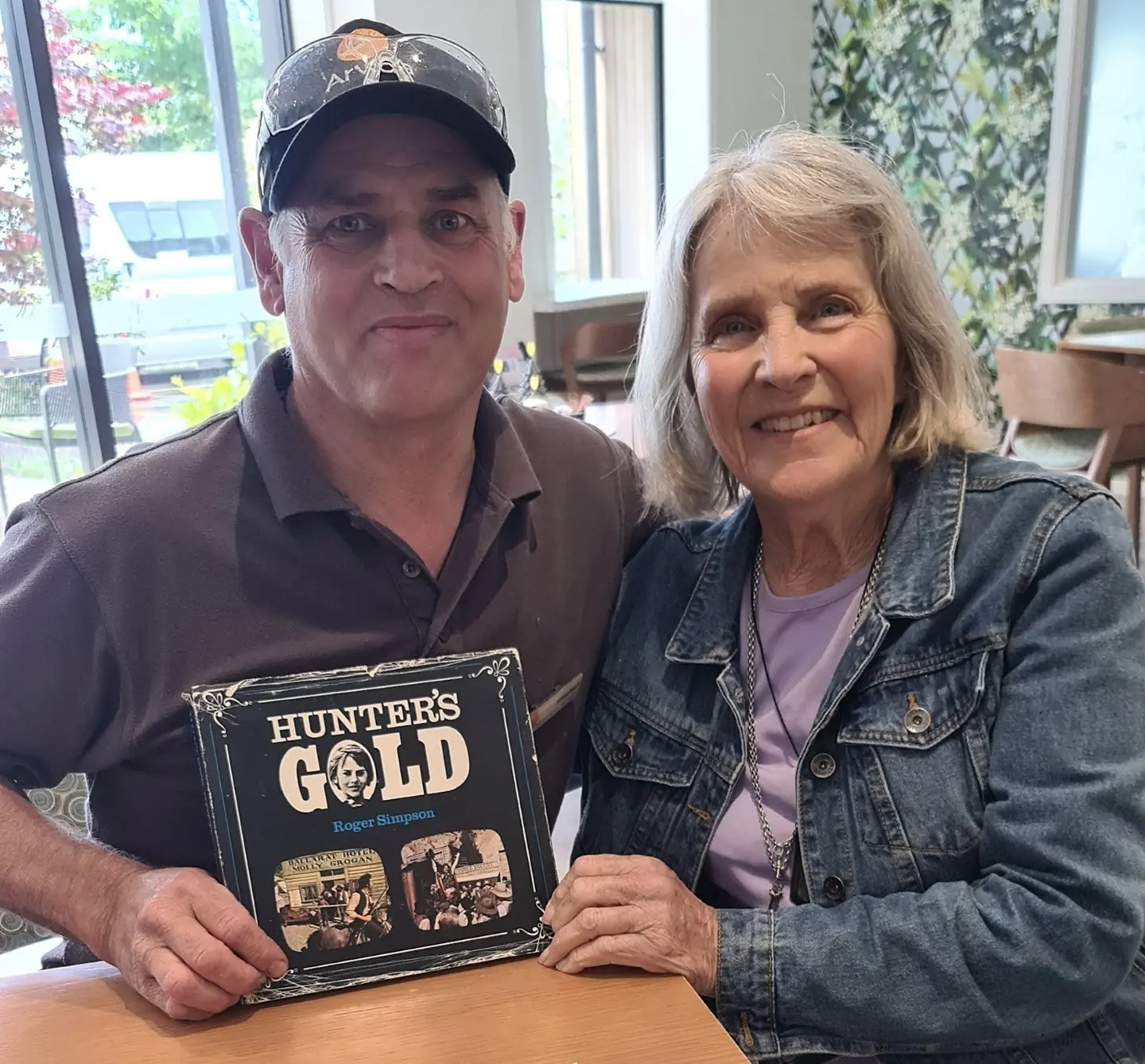
As drama film crews go we were all incredibly young, most of us still only in our twenties ... I can assure you we all needed a kick in the pants from time to time!
This was also a time when crews were expected to bring their own cut lunch or buy a pie from the local dairy. Not on this shoot. We were provided with a catering service by Queenstown chef Svend Christensen that has become the benchmark for all future big-budget productions. As actress Ilona Rodgers recalls, ‘‘... over the production most people’s waistlines increased. Imagine having steak and eggs for breakfast sitting on the banks of the Shotover River every morning.’’
It didn’t always go to plan. On one occasion Svend’s wife, Hope, was delivering lunch to a distant location along a rutted potholed road when the back door flew open and the Waldorf salad went flying. On her return she found five or six possums hoeing in - evidence the product was top notch. Queuing for a catered smorgasbord became something the crew relished. Hawthorn remembers Svend as ‘‘the extraordinary Danish chef ... [who] fed us breakfast, lunch and dinner from his small caravan on location. To this day I can still crack an egg one-handed thanks to Svend’’.
The Hunter’s Gold story opened in the remote Moke Valley near Queenstown with Scott being looked after by his sweet aunt and domineering uncle, played with menacing gusto by Terrance Cooper. His wayward father, played by Bruce Allpress, is out on the gold fields looking to make his fortune. When he fails to arrive on the scheduled stagecoach, despite his trunk turning up, young Scott slips away to search for him, so beginning a series of adventures that involved ambitious set pieces: gun fights, fist fights, robberies and even the burning down of a hotel.
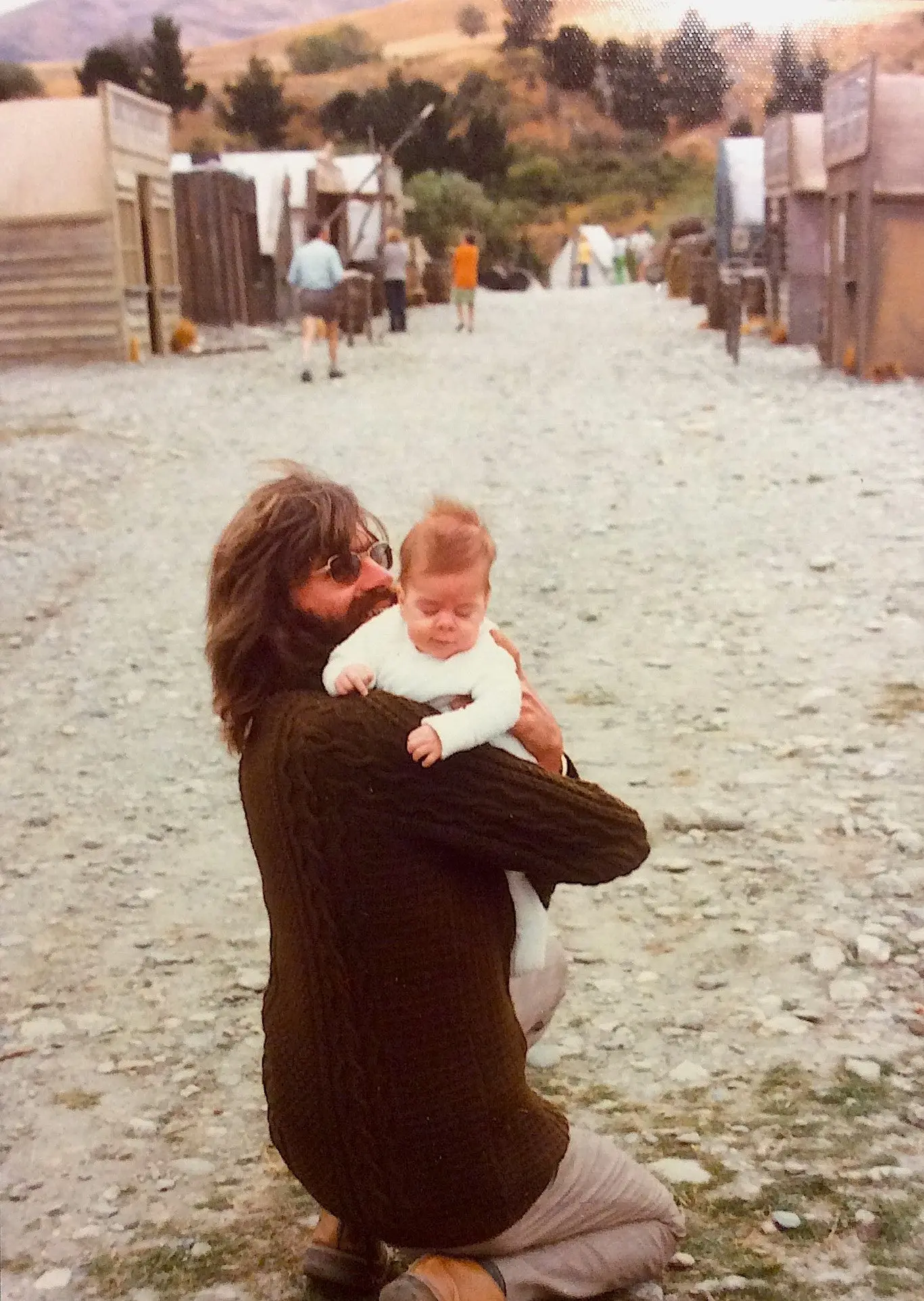
Scott befriends an old wanderer, Baddock, played by actor Ken Blackburn, who is on his way to the gold town of Tuckers Gully. To us 20-somethings, Blackburn was an elder statesman among the cast at the age of 40. Incredibly, he’s still working as an actor at 90, having just returned from a shoot for Disney in London.
Fifty years later he still looks back on those ‘‘Gold’’ years with affection. ‘‘Playing the role of Baddock, I hold treasured memories of many things, not the least of which is my dear old horse Molly G trundling my dray about the remote tracks of the Moke Valley. But no memories are as rich as that time working with Tom Parkinson and his crew ... and the enduring friendships formed with people like Bruce Allpress and Ilona Rodgers. I treasure the experience!’’
On arrival at Tucker’s Gully, Baddock introduces young Scott to the local hotel madam, played by Rodgers. She takes Scott in and acts as his surrogate mother while the search goes on for his missing dad, who, it turns out, has been wrongly accused of murder. Rodgers, who still regularly pops up on New Zealand screens, also holds fond memories. ‘‘Playing Molly Grogan who ran the pub was such fun ... I had come from the UK where the industry was heavily unionised, each department drawing out their territory. Here, the large crew were a bunch of friendly, enthusiastic practitioners making a television series. That joy of working was endemic. I loved every minute of it ... even experienced an earthquake, a first-time experience for me.’’
Working alongside such seasoned actors kept young Andrew on his toes. ‘‘I recall director Tom Parkinson gently asking me not to prompt fellow actors for their forgotten lines.’’ Says Ilona: ‘‘Yes, Andrew always knew his lines because his carer made sure he was word perfect.’’
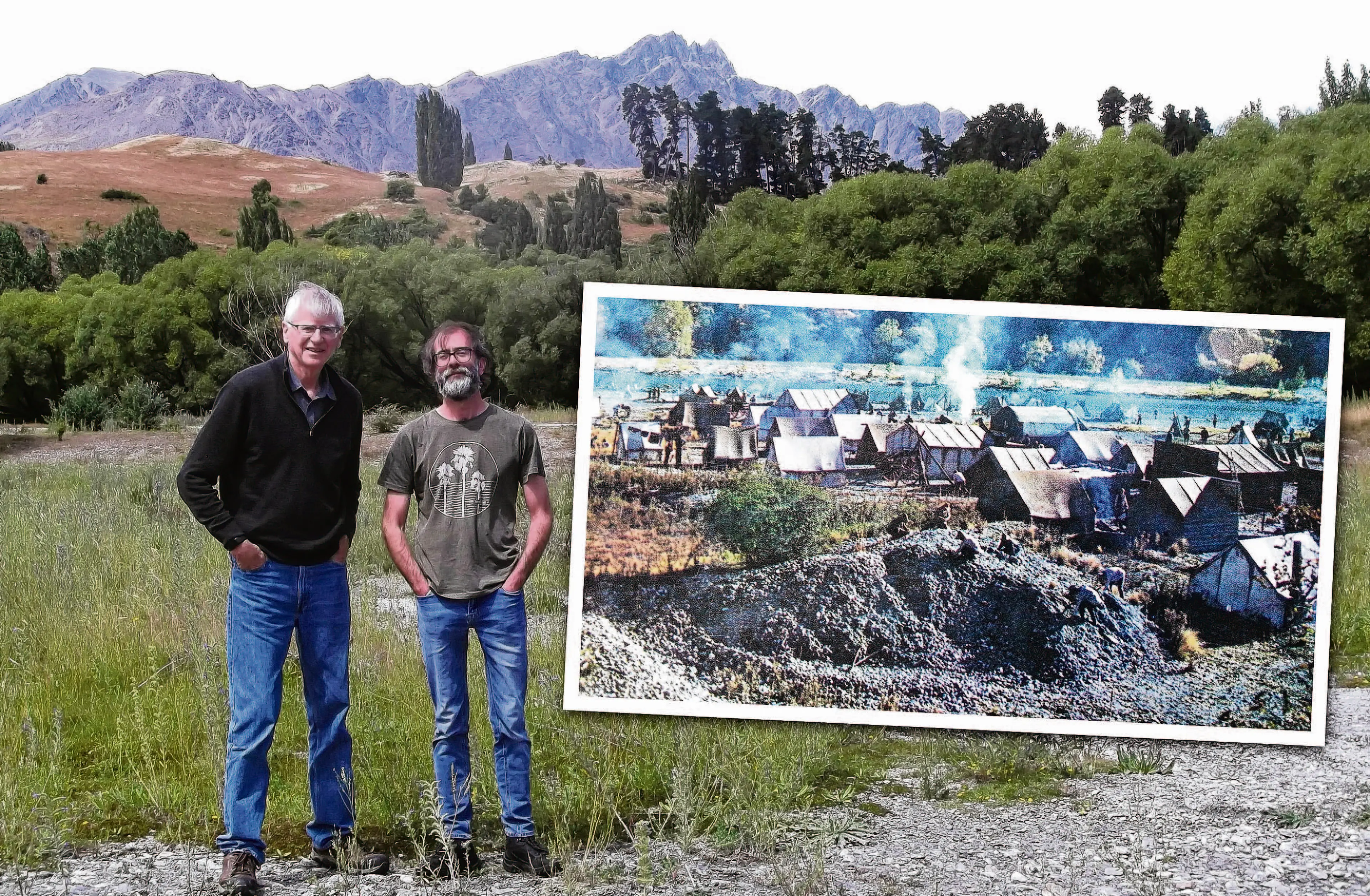
Three months away from home meant the producers had to ensure Andrew’s education continued unabated. ‘‘For some reason, at age 13 I managed to take it all in my stride and rather enjoyed being without the norms of family and school life ... living by myself in a hotel, a chaperone to keep an eye on me and the lovely Queenstown vicar’s wife who would provide some semblance of schooling every second day.’’
But it was the action scenes that Andrew remembers most fondly, ‘‘... doing my own stunt work and flinging myself down a shingle bank in dramatic fashion, that was only ever going to be one take ... and crazy posse rides involving the local farmers tearing across the tussock grasses in Moke Valley on horseback’’.
It felt like we were shooting a Hollywood western, never more so than when a gunfight was staged - using real ammunition. The shootout scenes in the Moke Valley have become legend, as Hawthorn recalls. ‘‘The bullet splashes and ricochets were achieved using a marksman firing .22 rifle rounds into the river behind the actors’ feet and off the rocks actors were hiding behind. These were the days of inventiveness, not health and safety!’’
Here’s Holden: ‘‘The actors would come to me terrified ... not wanting to cross the river with a torrent of real bullets at their feet. No-one was injured though!’’
I guess we dodged a bullet with that one ...
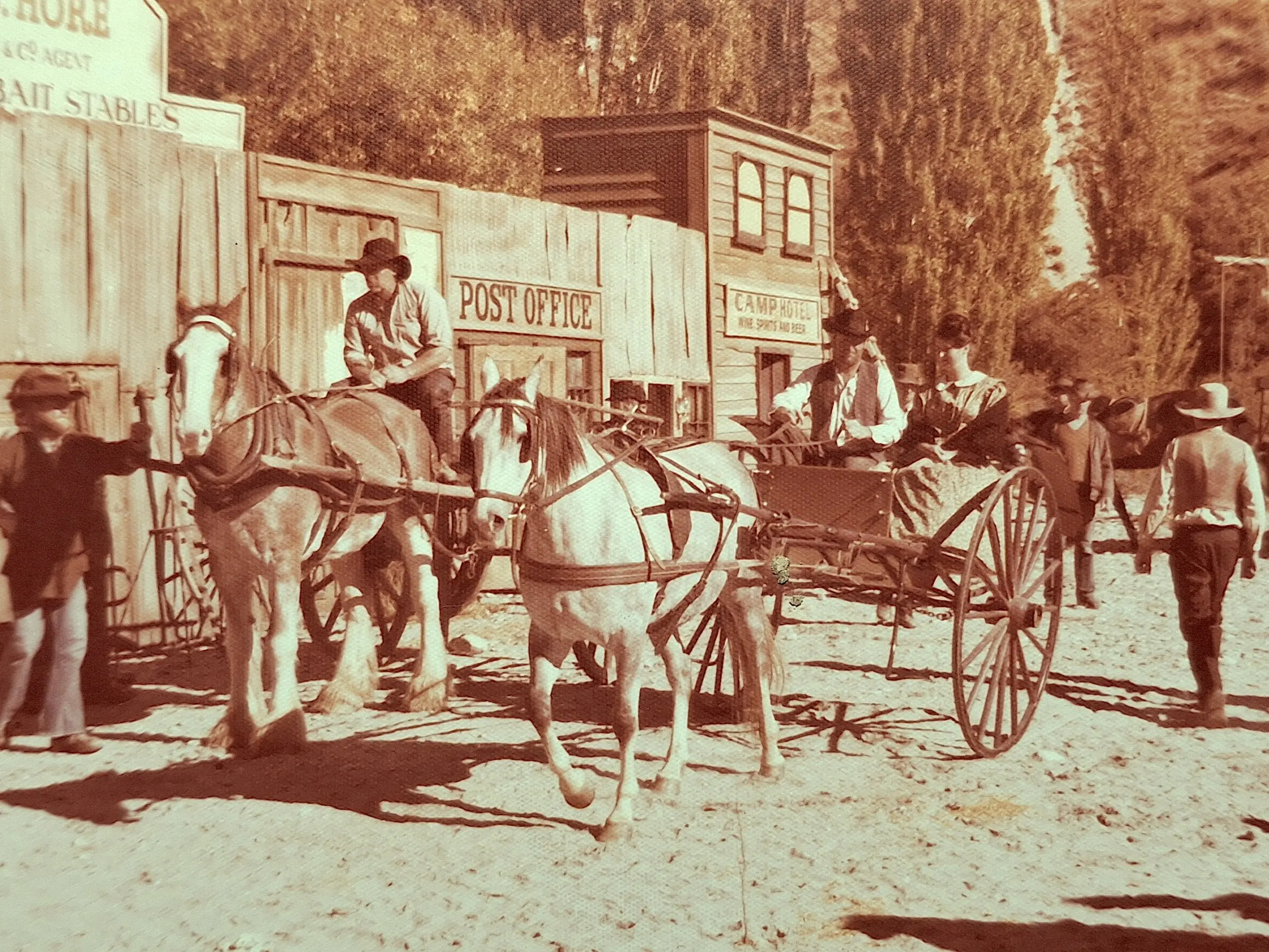
He also recalls one special effect that wasn’t planned. ‘‘As the shoot got closer to autumn ... we had a freak snow fall overnight. The whole Moke Valley was white, so no continuity [with the previous day’s filming]. Nevertheless, our director insisted we carry on ... The poor extras with only cotton shirts on ... talk about freezing.’’
Working on a distant location had its production challenges. The exposed film had to be sent to the National Film Unit in Wellington for processing. Four days later, the key crew would crowd into a tiny edit room set up at our Skippers Lodge accommodation to view the ‘‘rushes’’. For today’s digital film-makers, used to instant replays, that delay would likely be intolerable. This was the way films had basically been made since sound came on to the scene in the 1930s.
Editor Chris King slowly pieced each episode together on location, giving Parkinson the chance to see anything that needed to be ‘‘picked up’’ or reshot. One such decision saw the rather soft opening of episode one needing an injection of life to get the viewers hooked. So after three months’ filming they shot the very first scene in the series - a massive set piece depicting the excitement created by the arrival of the stage coach to Tuckers Gully.
‘‘A stagecoach at top speed is a wonderful sight,’’ relives Holden. ‘‘As I watched the coach approaching while choreographing dozens of extras crossing the main street, I froze. I realised there was no way the stagecoach would stop where we wanted it, especially at that speed. I had a panic attack and closed my eyes. But, unbelievably, the stagecoach driver pulled the horses up at exactly the right place ... it’s an amazing shot!’’
Of course it all has a happy ending after a series of edge-of-seat adventures, leading to Scott and his father being reunited and the riches of the gold field securing their future.

Fifty years on the memories still burn bright. ‘‘Although I played my parts and worked with the cast on the scenes, it was the crew, the equipment and the process that held my awe. This fascination with the creativeness involved, the equipment needed and the open camaraderie of the crew really left an impression on me. I had no understanding at the time about how groundbreaking this production was. The rule books of location filming in New Zealand were literally being written as we worked ... It certainly shaped me and guided me in later life towards my own TV production career.’’
Before the series screened, the scribes were sharpening their pencils at the thought of a half million-dollar production being a step too far for the newly established network. ‘‘For that kind of money, viewers - and politicians - expect to see a fair return. The big question is, will they?’’ Turkel wrote.
They obviously did as Hunter’s Gold went on to become a hit with local viewers and secure lucrative overseas sales, especially in the UK, France and Spain. As The Press newspaper headline heralded; ‘‘TV2 Strikes Gold’’.
Hunter’s Gold was the beginning of an era in New Zealand television history where a continuity of TV dramas rolled off the production line of the state-run television system. Within six months we returned to the great outback - this time for the equally massive series The Mackenzie Affair, starring Scottish character actor James Cosmo as the eponymous sheep-stealer, for which the location moved a little north into the vast tussock landscape of the Mackenzie Basin.
Sources: NZ on Screen, Brian Walden, Michael O'Connor, Max Quinn, Tony Holden, Ilona Rodgers, Ken Blackburn, Steve Appo, Hope Christensen, Paul Trotman, Ray Sheppard and Andrew Hawthorn.