
PHOTO
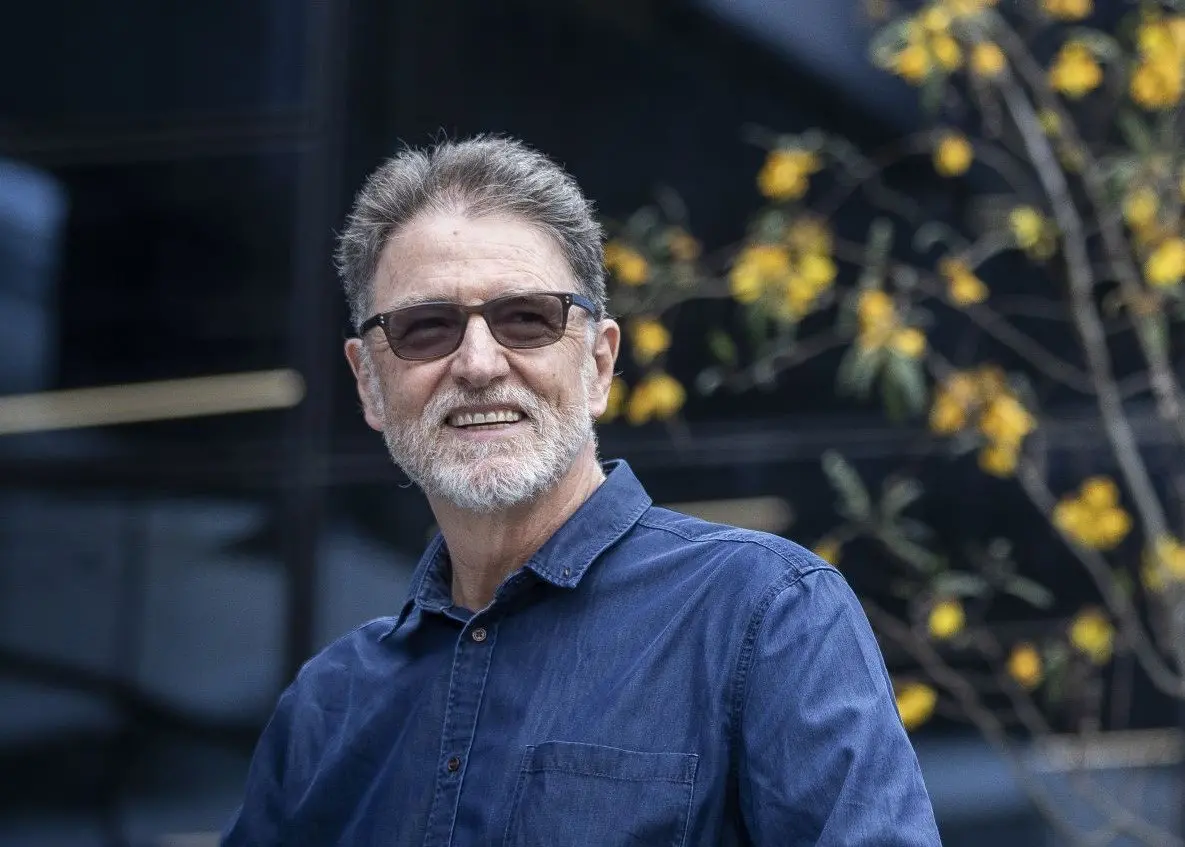
Ralph Chapman has a climate change pedigree longer than most.
Twenty five years ago, he was there at Kyoto, Japan, helping hammer out the emissions trading scheme.
Six years ago, at the time of the Paris Agreement, he was warning time was running out.
Now, as world leaders gather for another round of climate change talks, the economist and, until recently, director of environmental studies at Victoria University, says only radical action is guaranteed to avert disaster.
"The reality is that 1.5 [degrees of global warming] is not attainable anymore ... that opportunity has now passed," Associate Professor Chapman says.
"Physically, if everyone stopped using cars tomorrow, we could do it. But that’s not going to happen."
Tomorrow marks the official start of the 26th annual, United Nations-backed, Climate Change Conference of Parties (Cop26) — a gathering of representatives from almost every country for a global summit on climate change.
Those present will include New Zealand’s Climate Change Minister James Shaw who, in the face of growing criticism about his country’s lack of climate change action, has headed to Glasgow with a late promise of $1.3 billion to help developing nations tackle the impacts of climate change.
The fortnight-long Cop26, being held in Glasgow, Scotland, is being touted by organisers as "the world’s last best chance to get runaway climate change under control".
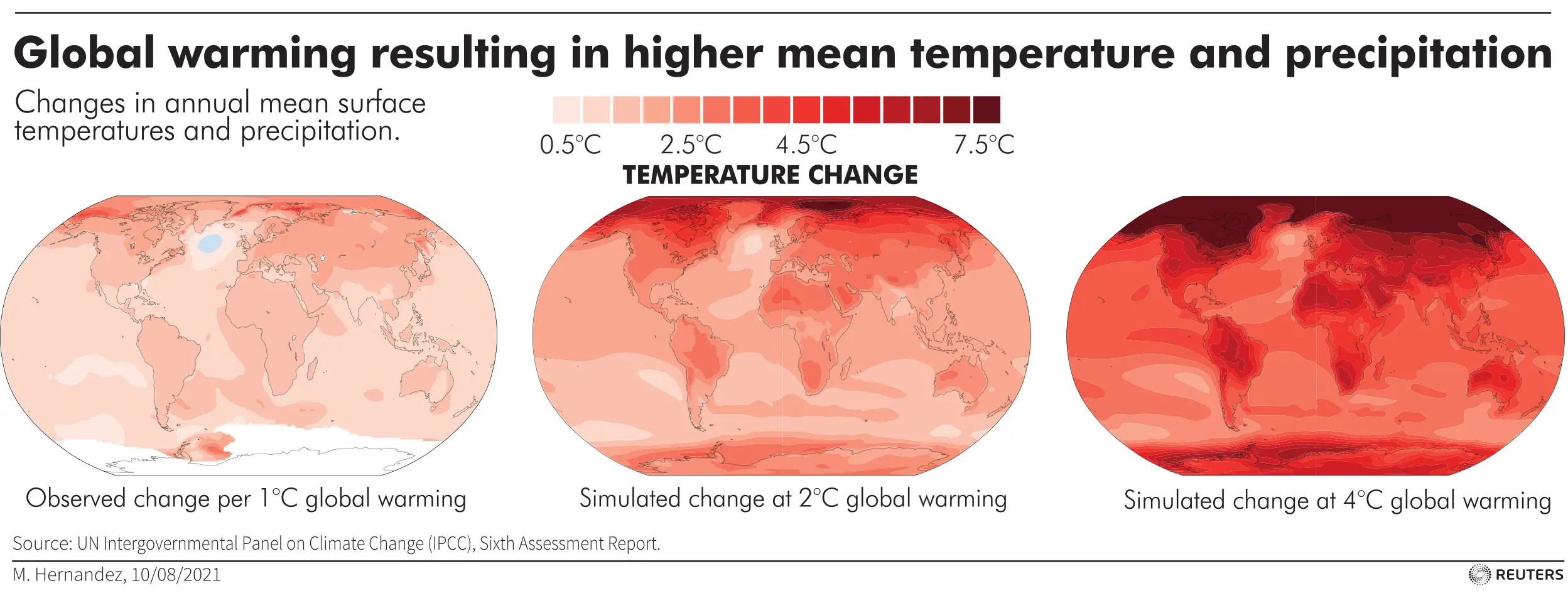
It is taking place in the shadow of the latest report by the Intergovernmental Panel on Climate Change (IPCC). Released in August, the report says greenhouse gas emissions must be halved within 10 years and that, if nothing is done, global warming will probably reach a cascade tipping point, precipitating cataclysmic consequences.
Chapman says Cop26 is the only international tool available, but that it is mired in a global stand-off.
"It’s the ‘I will if you will’ problem. In other words, ‘We’re not going to commit to do a whole lot more unless you do’.
"That’s an insurmountable problem with climate change. It’s basically the barrier that has stopped the world taking action."
By Prof Chapman’s reckoning, the result will be the end of the world as we know it.
In 2015, he wrote a book titled Time of Useful Consciousness; an aviation term describing the period from when a cockpit’s normal air supply is interrupted to when the pilot can no longer function usefully to take corrective action. Prof Chapman used that metaphor to make the point that there was little time left to address the causes of climate change.
The book was published just months before Cop21 was held in Paris; at which nations made legally binding agreements aiming to "limit global warming to well below 2, preferably to 1.5 degrees Celsius, compared to pre-industrial levels".
Now, six years later, as world leaders gather for Cop26, Prof Chapman says it is close to too late.
"We’re pretty damned near unconsciousness at this point."
If global warming goes beyond 2degC, civilisation will start to disintegrate, he predicts.
"Strains and stresses are starting to show already and we’re only at 1.1.
"Where we’re headed at the moment ... that’s well over two degrees."
This week,[[SUBS: OCT 28]] a report from the United Nations says that, on its current trajectory, the world faces disastrous temperature rises of at least 2.7degC.
Prof Chapman is not hopeful that real solutions will be discussed in the main meeting sessions at Cop26.
The negotiators, he says, will have narrow briefs to negotiate specific rule changes.
"It’s detail that isn’t going to help us get to solutions.
"What has been missing in the discourse is a vision of a way to live that involves better urban design ... a different vision for the city."
The climate change solutions being presented won’t cut it, he says.
In fact, Prof Chapman has recanted one of the solutions he helped design; one that is a central plank in New Zealand’s climate change mitigation strategy — the emissions trading scheme.
In 1996-1997, he was part of the Kyoto negotiations, working for the New Zealand Government to help thrash out emissions trading scheme details.
"In theory, it is cool ... but it’s problematic because it lets countries like New Zealand off the hook in terms of transport.
"It weakens our resolve to do anything proper to mitigate domestically.
"I’ve come to see the light ... It’s not a good idea."
Similarly, New Zealand’s other big climate change mitigation strategy, carbon forestry, also weakens resolve to make substantive change, he says.
"Back in 1997, we were writing papers to Cabinet saying don’t rely on carbon sinks to allow you to do nothing.
"But, of course, politicians of both parties took that breathing space and squandered it."
Much of the blame also lies with the business sector that "doesn’t want to do anything unless they absolutely have to".
If New Zealand and the world were to take climate change seriously, the energy and transport systems would need to be decarbonised, Prof Chapman says.
A 50% reduction in emissions in both sectors by 2030 "could be doing enough" to stay below 2degC of warming.
The energy sector is already rapidly decarbonizing.
But transport, with its many various small players enabling a society structured around private motor vehicles, is "more recalcitrant".
"We went badly astray in the 20th century with the American model of urban planning — building for the car.
"It was a gigantic, historic mistake. We are now paying the price."
A wholesale shift to active and public transport would require a huge change.
"We could do it, for sure. But it would be a fundamental transformation of our towns and cities."