
PHOTO
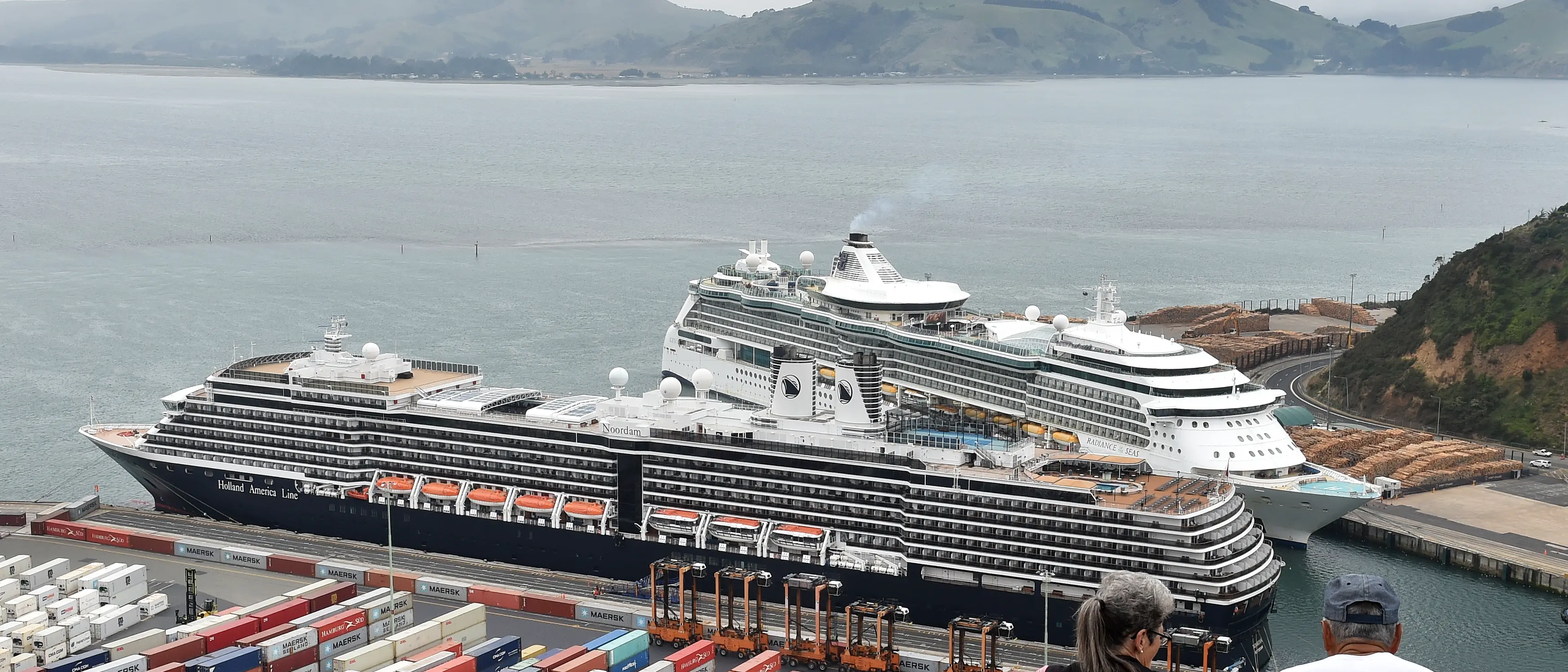
Dunedin Mayor Aaron Hawkins is backing Government moves to protect New Zealanders from the coronavirus pandemic, and is keen to focus more on domestic tourism.
"The measures announced by the Prime Minister are significant, but so is the risk posed by a global pandemic," Mr Hawkins said today.
"Public health has to be our priority right now, and we owe this to our older and more vulnerable residents in particular.
"The bulk of this year’s cruise ship schedule has been and gone, but this still means the cancellation of a dozen boats still due to visit over the next month.
"On top of this, mandatory self-isolation for fourteen days will likely result in fewer international visitors arriving by plane.
This would have "a negative impact on local tour operators and the wider tourism and business sector".
Approached for comment about the economic impact of the Government moves, Mr Hawkins said the DCC was "trying to help mitigate those impacts by focusing more on domestic tourism, as fewer New Zealanders will be travelling overseas in the near future.
"I wouldn’t want to hazard a guess as to the total economic impact in the short term, but the implications of community transmission are far more significant— for our economy and for our public health system.
"I look forward to seeing what the Prime Minister announces on Tuesday in terms of support for affected workers and businesses.
"As always, we’d be happy to offer our support in terms of developing options that best suit our local situation," Mr Hawkins said.
A Government move to halt cruise ship visits to New Zealand ports because of coronavirus concerns will cause Dunedin economic pain, but is the right thing to do, Dunedin City Councillor Sophie Barker says.
She is the Otago Peninsula Trust marketing manager and previously served as a Dunedin City Council tourism development adviser, working closely with the cruise industry.
Ms Barker said the Government move would cause "pain" and mean significant loss of income, but most of the cruise ship season was over, and perhaps only about 10% of the anticipated further income remained.
"While I am shocked and upset for everyone in the visitor industry by the effect Covid 19 is having on our industry I think we all agree the most important thing is people.
"As we are reminded by the Maori he tangata saying.
"He aha te mea nui o te ao. He tangata, he tangata, he tangata ("What is the most important thing in the world? It is people, it is people, it is people.")
Much greater pain would result in coronavirus entered New Zealand and took the lives of vulnerable people, she warned.
"All of us have people we love and want to protect and we all need to work together for the best outcomes of this horrible situation," she said.
"We have to take the right moral decision," she added.
"It’s[the virus outbreak] shocking for the world.
The potential risk to older people in a hospital system overloaded by coronavirus was ultimately more important to avoid than "a little bit of money" in the tourism industry.
New Zealand had to make sure that "our own people" were also protected and that our health system was supported to protect us by keeping the virus out.
She accepted the Government had made a decision to protect New Zealanders, and at-risk people from the Pacific Islands.
"We have to take the most responsible decision for New Zealand.
A strong package of measures is needed from Government to overcome the growing disruption of business, including from coronavirus issues, Dougal McGowan says.
Mr McGowan, who is Otago Chamber of Commerce chief executive said moves to stop cruise ship visits, including to Dunedin, would clearly result in significant lost income for some businesses.
However, he supported that step to keep Covid-19 out.
‘‘We’ve got to try to contain it as much as we possibly can,’’ he said in an interview.
‘‘If we can do that we’ve been hugely successful.’’
Enterprise Dunedin would be able to give a more accurate estimate of the economic costs to the city of the cruise ship move.
And the introduction of mandatory self-isolation for visitors arriving from abroad, other than from Pacific nations, would also add to business disruption.
Requirements for self isolation after air travel to New Zealand from overseas countries, except for Pacific Island nations, would prove disruptive for business, given the importance of trans-Tasman links for tourism and business.
There would be a ‘‘massive impact’’ on tourism and other business activity.
Further problems would emerge if people were no longer able to travel to do deals as they had traditionally, he said.
Governments in the UK, Australia and the United States had recently been prepared to spend big money in dealing with related issues.
The Government’s Regional Business Partner initiative was positive and there had been a ‘‘really good response’’ to it, but much more was now needed to protect firms and the jobs they provided.
Government could consider replacing planned minimum wage increases with tax breaks to stimulate spending by workers while reducing the burden on business, he said.
The Government plans to announce further economic measures next Tuesday.