
PHOTO
The Climate Change Commission should follow Dunedin’s example and move to curb climate change faster than it proposes, the Dunedin City Council says.
The commission is consulting on its plan to move New Zealand to a carbon-neutral economy by 2050.
Its recommendations include a major uptake of wind and solar farms, planting native forests, and ending imports of petrol and diesel-fuelled vehicles.
City councillors voted to support the commission’s draft advice but at the same time called for "higher, earlier cuts to gross emissions" at yesterday’s full council meeting.
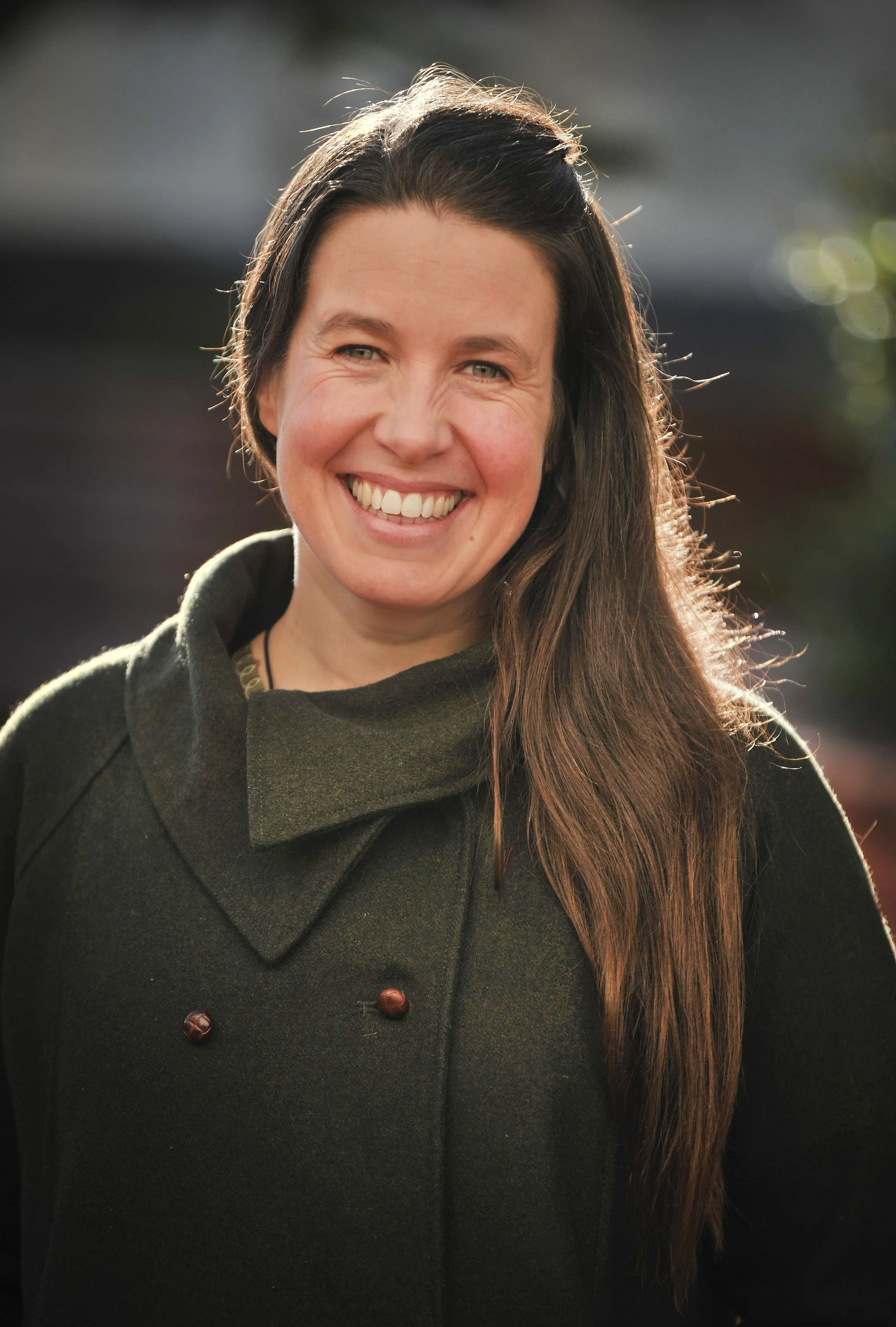
Council principal policy adviser Jinty MacTavish urged councillors to push the commission to catch up with the council’s own Zero Carbon 2030 target and advocate for greater nationwide ambitions on emissions reductions.
The submission Ms MacTavish drafted urged more emphasis on city planning, limiting urban sprawl, and creating cities where people do not need to depend on cars.
She maintained the need to address better funding for public transport, cycling, and walking.
And while she said the council championed electric vehicles locally, she questioned whether the commission had overstated the ability for electric vehicles to reduce emissions in the transport sector, compared with other means.
She called for help for small to medium-sized businesses to address emissions reductions.
And she called for more help for schools that wanted to use low-carbon energy systems rather than coal.
In support of the submission, Cr Chris Staynes said the Government was finally starting to show leadership on climate change.
Cr Marie Laufiso said she wanted her generation to listen to young people who had challenged them over the issue.
The Government might push back against some of the recommendations to appear reasonable, meaning action could be diluted, Dunedin Mayor Aaron Hawkins said.
But some people would think the council was being unreasonable by pushing for the goal of being 20 years ahead of the Government’s target, Cr Carmen Houlahan said.
The council’s submission was useful in trying to push the Government to show more urgency, Cr Sophie Barker said.
And Cr Steve Walker supported the call to be ambitious.
Cr Christine Garey said the council had the courage to show leadership.
Some of the commission’s initiatives were more along the lines of a stick, rather than a carrot, which concerned Cr Jules Radich.
But only Crs Mike Lord, Lee Vandervis and Andrew Whiley voted against supporting the submission.
Cr Whiley questioned whether the council’s 2030 target was realistic, and said the council owed it to the community to be realistic.
Cr Vandervis questioned what the council had achieved since he was elected in 2004 and said anyone who believed Dunedin could be a leader in climate change action, and improve on the Government’s goals, was dreaming.
From December, the Government must have one current and two proposed three-year emissions budgets in place at any one time, as the country moves to a low-carbon economy.
Climate Change Minister James Shaw is not bound to follow the commission’s advice, but he must respond to the advice and explain the reasons for any departures.
The commission’s advice goes to the minister at the end of May, after submissions on the draft advice close on March 28.