
PHOTO
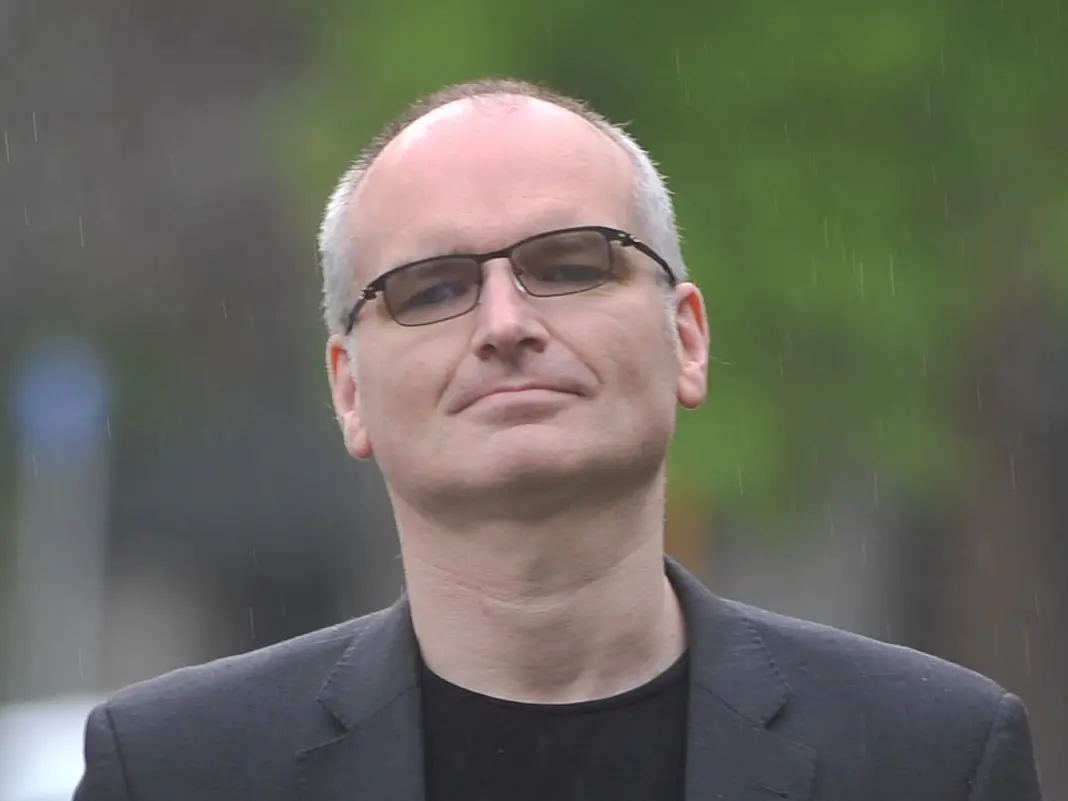
The problem of countering religious and racial prejudice on social media is much tougher than simply banning ''extreme hate groups'' from Facebook, Associate Prof Colin Gavaghan says.
He directs the New Zealand Law Foundation Centre for Law and Policy in Emerging Technologies at the University of Otago Law Faculty, and has a leading role in the foundation-funded Artificial Intelligence (AI) and Law Project.
Asked how material promoting racial and religious prejudice could be countered, Prof Gavaghan welcomed a recent statement from Facebook that white supremacy sites would be banned.
But there was also a wider concern about social media being used to indirectly normalise ''racist and other obnoxious narratives''.
This broader challenge was complex, and ''the most blatantly racist content might not be the most harmful when it comes to normalising racism'', he said.
A newspaper might publish a ''succession of stories about Islamist terrorism or terrible laws in some Muslim countries'', such as the ''barbaric anti-gay laws'' recently introduced in Brunei.
These stories might be ''individually true, certainly newsworthy and unaccompanied by any actually Islamophobic rhetoric''.
But, taken together, such reports could ''paint a picture of Muslims that is very negative and distorted, particularly if positive or neutral stories about Muslims rarely get reported''.
That was potentially a ''big problem'' but it was not clear ''that it's going to be fixed by tougher hate speech laws''.
Another challenge was the way ''recommender algorithms'' on the internet could affect social media users initially interested in something ''reasonably innocuous'', Prof Gavaghan said.
They could be led deeper into a ''rabbit hole'' and ''into the labyrinth of conspiracy theories and extremist ideologies''.
Current algorithms were more likely to offer ''spectacle and simplistic messages'' reinforcing what the viewer already thought, rather than through ''nuance and balance''.
This intensifying effect could contribute to ''echo chamber'' thinking or ''even worse'', he said.