
PHOTO
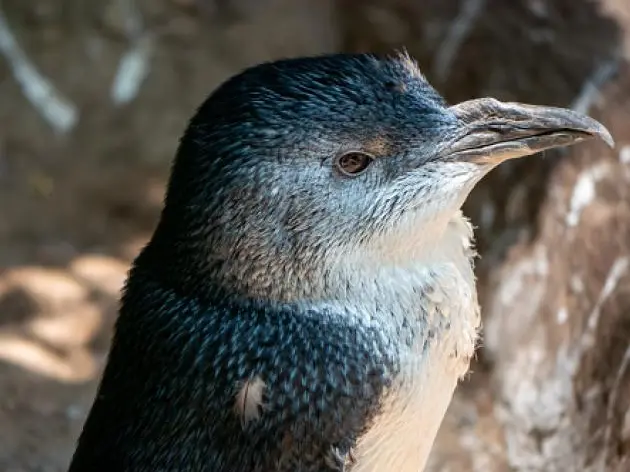
The penguin massacre at Long Beach is just the latest chapter in a long list written in blood, an advocacy group calling for more dog control on beaches says.
On Monday, what is believed to be the entirety of Long Beach’s small but previously thriving little blue penguin colony was wiped out in what appears to have been a dog attack.
The colony, whose nests were inside the cave at the far end of the beach, was made up of three breeding pairs and two juveniles.
All appeared to have been mauled to death and were buried by local community members.
New Zealand Penguin Initiative (NZPI) community programme manager Melissa McLuskie said this was not an isolated incident.
‘‘Kororā are a taonga species, officially classified as at risk — declining, yet the government is still failing to properly address one of their most preventable causes of death: dog attacks.’’
There had been confirmed and suspected attacks on little blue penguins by dogs from May 1, 2021, to March 31, 2026.
The data was gathered by NZPI from Department of Conservation compliance records.
Ms McLuskie said she was worried 35 of those cases had happened within the past 16 months.
‘‘There is a large caveat on those figures. They do not include all 0800 DOC HOT call log reports, nor penguins reported directly to community groups, veterinarians or wildlife rehabilitation centres.’’
NZPI estimated the true national number could be as high as 100 little blue penguins killed or attacked by dogs each year.
‘‘Kororā have very dense plumage and bite wounds are not always obvious ... penguins that appear intact may still suffer fatal internal injuries or infections days later.’’
NZPI programme director Hiltrun Ratz said dogs and penguins do not safely coexist without strong management — responsible dog control saves penguin lives.
‘‘Even a species that appears relatively common can go extinct if decline continues unchecked,’’ Dr Ratz warned.