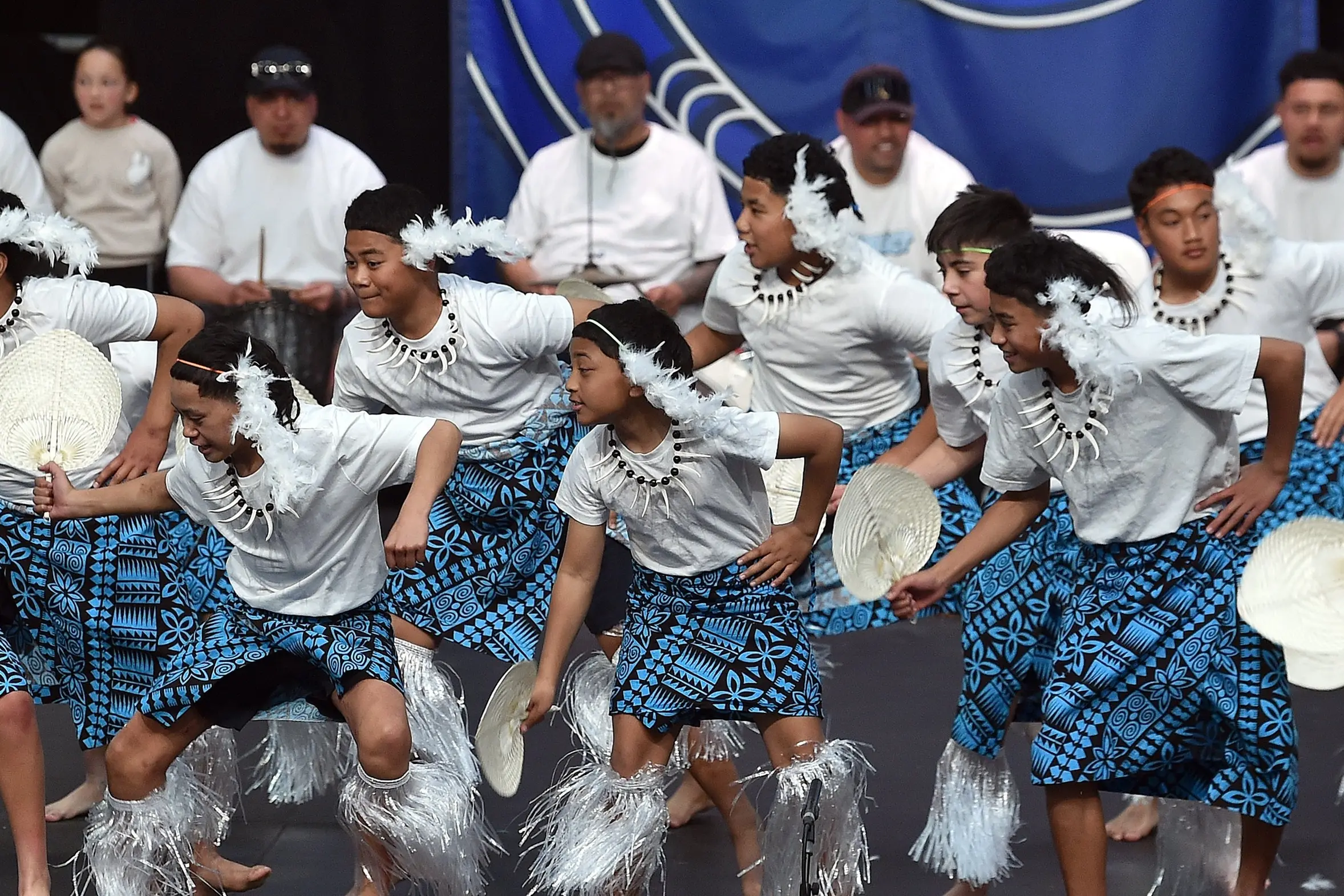
Otago Polyfest is “gravely concerned” there may not be a festival next year after its funding was axed by the government’s national arts body. It is at least the second Otago-based arts entity to completely lose out on Creative New Zealand funding in its latest round. Otago Polyfest general manager Pip Laufiso said this year’s festival, scheduled for September 7-11, would still go ahead, but it would mean using all of its resources to do so. There would be nothing in reserve, so they were concerned about what this would mean for future festivals. “We are gravely concerned about how we can ensure that there is a festival next year,” Ms Laufiso said. Otago Polyfest had a long history with Creative New Zealand and had been the recipient of previous funding. It applied for a total of $525,000 across three years in this latest round. Ms Laufiso said she did not believe they had ever been declined until now. While they had a funding plan, they would not know if there would be enough money for next year’s festival until this year’s one was over. “We don’t know how yet, but that’s what we’re working on as a team, about how we are going to make sure that there’s a festival next year.” Otago Polyfest, run by the Te Mana Āhua Ake Charitable Trust, was founded in 1993. Co-chairwoman Ange Kiore said their dedication to ensuring the festival remained available to young people was “absolute”. “The Otago Polyfest has been a beating heart of our region for decades. “This vibrant, essential stage is where our tamariki and rangatahi stand tall, celebrate their heritage, and express their identity through the power of Toi Ihiihi.” While the arts sector faced extreme demand, they believed the current funding landscape was failing to adequately resource grassroots organisations that did the heavy lifting within their communities. The current model, which forced community-led initiatives to compete against one another in an environment of scarcity, was unsustainable. “The Otago Polyfest is calling on the government to increase the support for the arts and for Creative New Zealand to re-evaluate how it invests in regional arts and cultural platforms.” OTAGO IMAGES/OTAGO DAILY TIMESWalyn Tafoou, 10, of the Bathgate Primary multicultural group, performs at the Edgar Centre at the 2023 Otago Polyfest. Photo: ODT Files The funding round was for 1-3 year grants valued at more than $125,000 per annum. Only three Dunedin organisations were successful: Blue Oyster Gallery ($200,765), the Dunedin Fringe Arts Trust ($156,208) and the Dunedin Symphony Orchestra ($368,995). The Dunedin Arts Festival, for the first time in its more than 25-year history, received nothing. The entire South Island received less than 10% of the more than $100 million dished out by Creative New Zealand in the round. Applicants in Otago requested $6,066,950, but received $3,249,605. Taieri Labour MP Ingrid Leary was “gutted”. “As the mother of Pasifika children who proudly performed at Polyfest, I’ve seen first-hand the confidence they gained, the pride in their culture, the sense of belonging and the positive impact it had on their identity, wellbeing and mental health,” Ms Leary said. “This is what happens when the National government undervalues arts and culture. “Funding cuts and underinvestment leave outstanding community organisations struggling to survive, and once they’re gone, they’re extraordinarily difficult to rebuild.” Creative New Zealand said it could not respond to a request for comment before deadline. A spokesperson previously said demand for funding had grown significantly over time “and has long outstripped the resources we have”. “Organisations are having to make difficult decisions and, across the arts community, critical arts infrastructure is vulnerable.” Creative New Zealand was making significant operational changes and would focus on growing arts investment through various avenues. It was committed to ensuring artists and groups across the country, including in the South Island, were better supported. Arts, Culture and Heritage Minister Paul Goldsmith’s office sent the ODT an identical statement to one in response to previous questions. Mr Goldsmith said Creative New Zealand’s individual funding decisions were made purposely at arm’s length of ministers. The expectation was less was spent on administration and more went to artists. The arts sector would receive $1.7 billion over four years and a strategy had been developed that outlined how the government would help create an environment for the country’s creative and cultural sectors to flourish over the next five years. tim.scott@odt.co.nz