

PHOTO
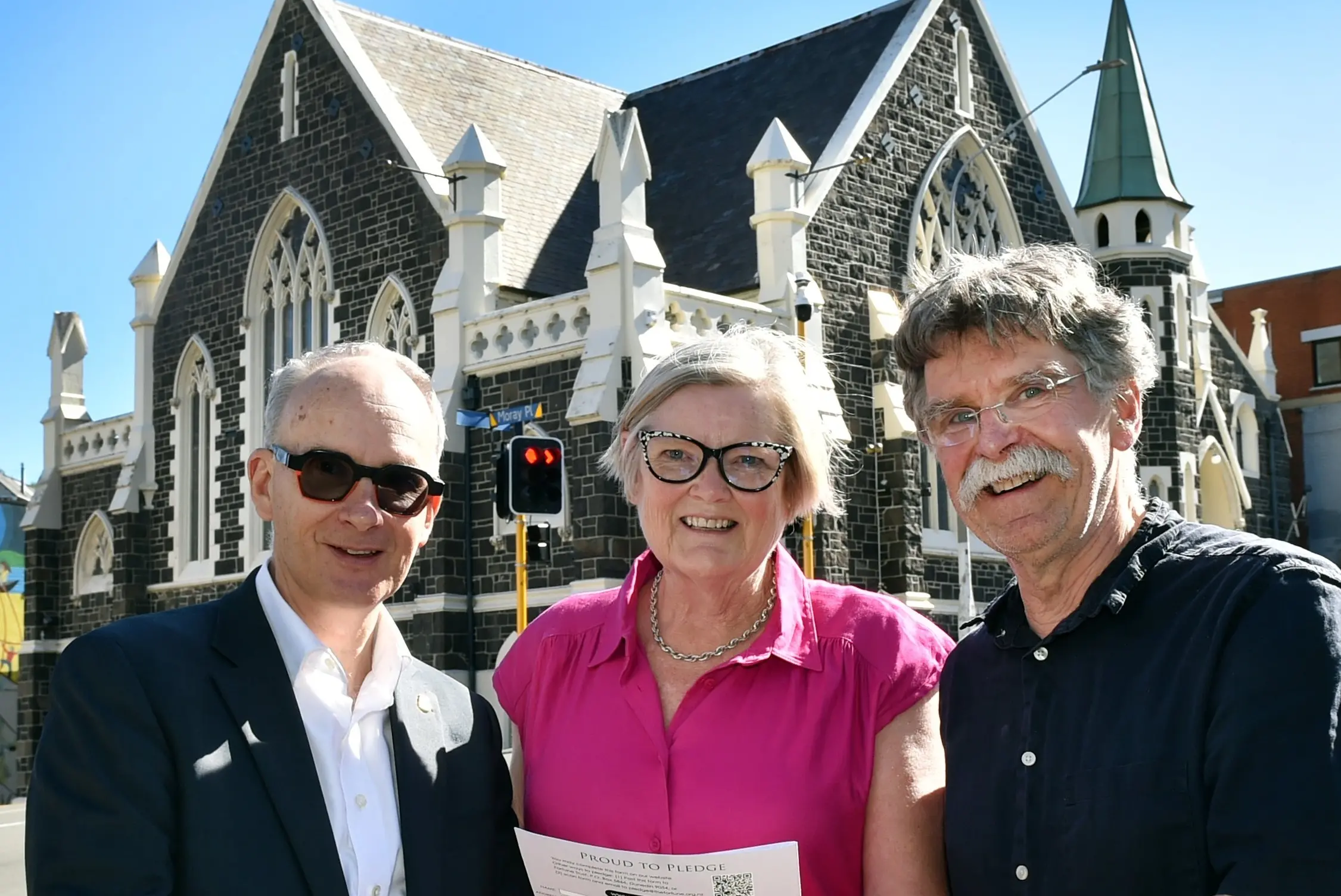
The stage is set for Dunedin’s Fortune Theatre to have a dramatic second act.
The heritage building at 231 Stuart St in the central city was home to the professional Fortune Theatre for 40 years before the company’s closure in 2018.
It had appeared the site’s days as a theatre venue were over while the building remained vacant, but a new charitable trust supporting performing arts has been backed to take over the Dunedin City Council property.
The council confirmed it had completed an open-market process and it was negotiating terms with the Fortune Charitable Trust.
The proposed $1 sale has a key condition — the trust would have up to a year to secure funding to undertake its development plans.
Terms would also include protection of heritage values for the category 1 historic place.
If the deal goes ahead, 231 Stuart St will become an intimate, fully accessible venue of up to 200 seats, accommodating theatre companies, touring productions, musicians, dancers, comedians, schools and community organisations.
The council described the proposal as establishing a community-focused performing arts venue.
Significant fundraising would be needed to revitalise the building, the trust confirmed.
Its campaign to “turn the lights back on” is under way on its website.
The trust would be the building’s custodian and a separate not-for-profit company owned by the trust, At The Fortune Ltd, would operate the venue for hire.
Project spokesman Ted Daniels said the trust was deeply grateful for confidence shown by the mayor, councillors and council staff in entrusting the group with the future of one of Dunedin’s best-known heritage buildings.
“We want to build on what has always made The Fortune unique — its intimacy, character, atmosphere and the special connection it creates between the audience and the stage,” Mr Daniels said.
“It has always been a quirky building, but we believe it can be made whole again and brought back to life.”
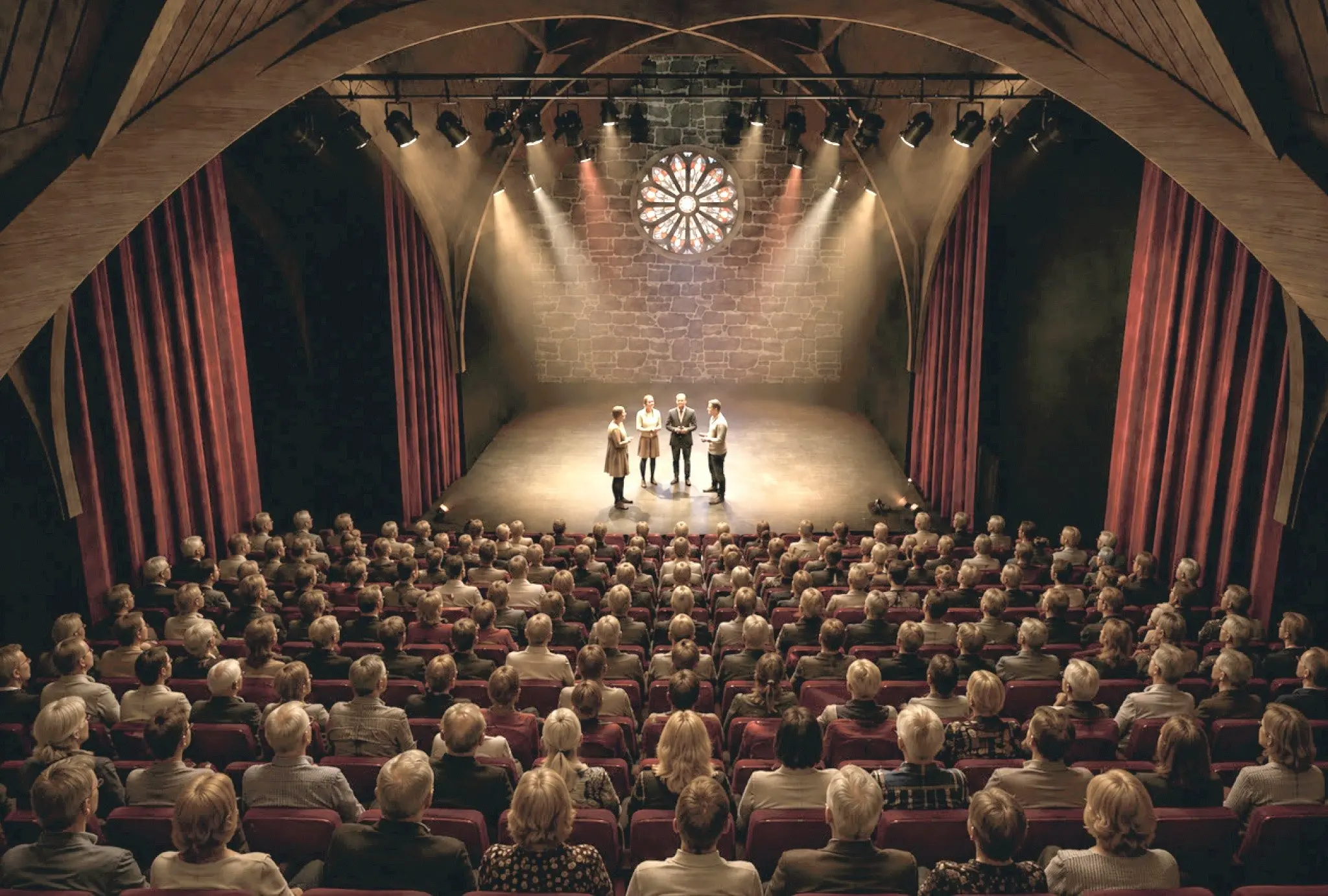
Initial priorities are expected to include dealing with dampness and water-entry issues, improving accessibility, upgrading essential services and safety systems, replacing worn fixtures and fittings, installing comfortable seating and improving sound, lighting and projection technology.
“There will be building challenges, compliance issues, fundraising and detailed design work, but we are very excited and grateful to have the opportunity to begin,” Mr Daniels, a heritage developer, said.
The proposal was preferred over a high-profile bid from city councillor Benedict Ong, who signalled late last week he was out of the running.
The council said it received three applications.
Deputy mayor Cherry Lucas said respecting the building’s heritage was a critical part of the decision-making process.
The trust’s proposal included a heritage-led approach to restoring the building, with a conservation plan, specialist heritage input and staged works, she said.
The building first opened in 1870 as the Trinity Methodist Church before becoming a professional theatre venue in 1978.
The council bought the property in 2000.
“This building has already served Dunedin residents in a variety of ways — first as a place of worship, then as a home of art and entertainment,” Cr Lucas said.
“The next owner will become custodian of a critical part of this city’s heritage.”
The council said the trust aimed to open the venue in late 2028 and make further improvements through to 2031.
The trust said on its website it would seek private charitable donations.
“It is the aim of the trust to add a 200-seat venue to the ecosystem of the arts community without detracting from the city’s long-term plan of building a new 400-seat performing arts centre and restoring some of Dunedin’s other beloved theatrical venues.”
The trust’s long-term objective is to keep the venue affordable for performers and audiences while operating sustainably without relying on ongoing council or government operational funding.
“A successful Fortune will bring people into the city, support nearby businesses and add to the energy and cultural life of central Dunedin,” Mr Daniels said.