
PHOTO
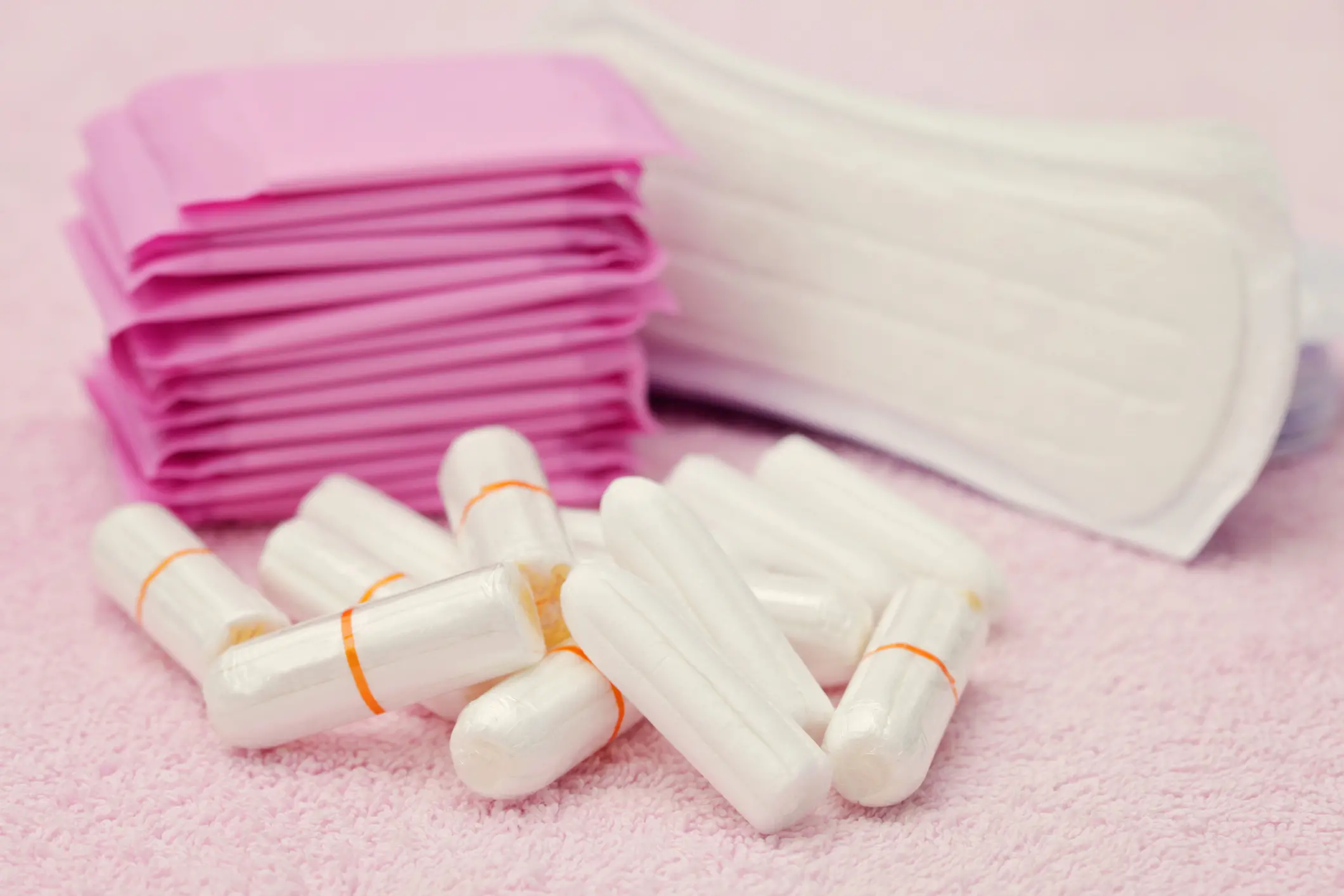
Otago researchers have called for manufacturers of women’s menstrual products to avoid adding chemicals known to interfere with the body’s hormone systems.
The call came after an Otago study found many products containing the endocrine-disrupting chemicals leached low levels of estrogen-like substances.
Senior author, InsituGen chief scientific officer and University of Otago physiology researcher Prof Alison Heather said 18 tampon products were tested in a laboratory setting, from multiple brands and countries, to determine if tampons leached these chemicals and if there were brand-to-brand differences.
They found about half of the products — both synthetic and organic — leached low levels of estrogen-like chemicals.
Prof Heather said the chemicals were increasingly being linked to reproductive and hormonal health effects.
“Safety testing of tampons has historically focused on absorbency, irritation, and infection, rather than their impact on hormones.
“However, there is a growing concern that plasticisers, fragrances, and other additives in menstrual products may be an overlooked source of exposure to endocrine-disrupting chemicals.”
She said the chemicals could mimic, block or alter the signalling of natural hormones in the body, leading to hormonal imbalance which could ultimately lead to endometriosis, uterine fibroids, disruption of menstrual cycles, and an increased risk of breast cancer.
Despite the findings, she said the study did not show tampons were unsafe.
Rather, it showed it was possible to manufacture them free of detectable estrogenic activity.
“The fact that some tampons tested showed no detectable estrogenic activity tells us safer formulations are entirely achievable.
“We would like to see the industry move towards safer-by-design formulations that avoid known endocrine-disrupting chemicals, and minimise the overall chemical load.
“We would also like to see regulatory guidance updated so that menstrual products are evaluated not only for microbiological safety and irritation, but also for endocrine-related endpoints.”
Prof Heather said the study was just “a starting point” on the topic, and more research was needed.
“The estrogenic signals we observed were low and measured in vitro, and we do not know what they mean for real-world health outcomes, especially given the complexity of menstrual cycles and the many other sources of endocrine-disrupting chemicals.
“However, our findings reinforce the need to treat these chemicals as a long-term ecological and public health issue, and to consider sources and the impact of exposure over a person’s lifetime.
“We believe further research into tampons is required, along with better transparency, and more comprehensive safety testing of menstrual products going forward.”